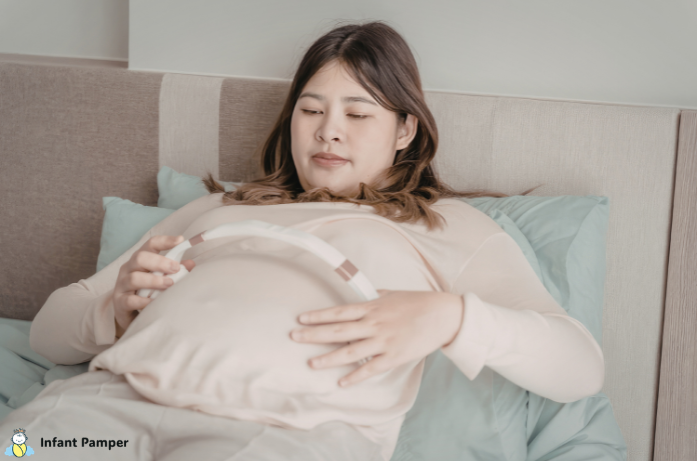
With the best intentions, people tell you to enjoy your pregnancy, as it is one of the most beautiful chapters of your life. It is. But it’s also one of the most physically, mentally, and emotionally demanding experiences you’ll go through.
Hormones shift, your body changes, and your mood fluctuates, all of which can disrupt the basics of your everyday life. This includes your sleep routine, which can significantly affect how well you handle pregnancy.
Sleep Quality by Trimester
Sleep won’t necessarily be a struggle throughout the entire pregnancy. However, its quality and duration will vary as you move through each trimester.
First Trimester
You may think the first trimester is the easiest as it is just the beginning. In reality, it can be quite intense. You will feel tired, even exhausted. A surge in progesterone often results in deep fatigue accompanied by nausea. Anxiety is also frequent as you step into a whole new phase that feels unlike anything you’ve experienced before.
The physical and emotional weight of these early months can make you fall asleep unexpectedly. You might find yourself sitting in a chair in front of the TV, not knowing when you drifted off or for how long.
On the flip side, pregnancy worries can trigger sleepless nights. Not to mention frequent visits to the bathroom, which are also possible in the first trimester. An increase in blood volume and the pressure the expanding uterus puts on your bladder will force you to get up more often during the night.
Second Trimester
Once you enter the second trimester, you will feel more energized. Fatigue and nausea will ease, if not disappear completely. You’ll be more active and less tired during the day. It’s no surprise these next few months are often called the honeymoon phase of pregnancy.
All these positive changes directly benefit your sleep. Being more active during the day helps you sleep better at night. During this period, you will notice your baby bump growing, and the baby may even start moving. Still, the second trimester is the phase when you can expect to get a solid night’s sleep.
Third Trimester
The third trimester is often the most challenging for sleep. Not to scare you, but so many changes come at once, which can deepen the struggle.
Your baby bump is now quite large, making it difficult to find a comfortable sleeping position. Frequent trips to the bathroom are back. Other common symptoms, like leg cramps and heartburn, can also disrupt your rest.
Finally, the mixture of excitement and anxiety about childbirth and labor may keep your mind racing far longer than you’d like.
Tools and Techniques to Improve Sleep During Pregnancy
Improving sleep quality during pregnancy comes down to the basic pillars of healthy living: good nutrition, light physical activity, and stress management.
Because these factors work together to support one another, let’s look at how food, exercise, and relaxation techniques can directly improve your sleep routine.
Nutrition
If you want to rest well, you must eat well. Avoid acidic and large meals before bedtime to prevent heartburn, and keep caffeine to a minimum.
Prioritize leafy green vegetables, lean protein, and whole grains. Bananas, for instance, are packed with magnesium and potassium, which help relax muscles and promote rest. Similarly, almonds and walnuts are great natural sources of melatonin.
Physical Activity
When you are active during the day, you sleep better at night. Consider low-impact, pregnancy-safe workouts like prenatal yoga, daily walking, or swimming. Remember to always consult your healthcare provider before starting a new exercise routine.
Stress Management
Try to relax whenever you can. Do the things that make you happy. Get together with friends, read, organize movie or game nights with loved ones. Keeping stress levels low during the day makes it much easier to wind down at night.
Healthy Pregnancy Sleep Habits & Setup
- Pamper yourself: Unwind with a warm (not hot) bath, and put the screen(s) away at least an hour before bed.
- Practice SOS (Sleep On Side): Sleep on your side, preferably your left. Left-side sleeping improves blood circulation to the placenta and aids your kidneys in flushing out waste.
- Use supportive pillows: Support your back, belly, and knees with pillows to relieve hip pressure. A specialized full-body pregnancy pillow can be a total game-changer for overall comfort.
Follow the Advice, But Listen to Your Body
While common patterns exist, pregnancy is unique to every woman. It’s helpful to stay informed without stressing over what to expect in the months ahead.
Take this guide as a kind reminder: while pregnancy will affect your sleep, there are simple techniques and tools to help ease the transition. Incorporate them where you can to make your pregnancy journey as comfortable and enjoyable as possible.