
Written with love by a caring mom at Infant Pamper
Parenting is one of the most beautiful journeys, but it can also feel overwhelming at times. We all want to raise happy, confident children who grow into capable adults. But sometimes, without realizing it, certain parenting habits create struggling adults later in life. Not because we don’t love our children enough, but because we are doing our best while navigating our own challenges, emotions, and experiences.
If you’ve ever felt unsure, exhausted, or even guilty while parenting, please know this: you are not alone. Many parents are quietly dealing with parenting struggles, whether it’s emotional burnout, lack of support, or simply trying to do everything right.
Let’s gently walk through some habits that may unintentionally affect your child’s future, and more importantly, how you can shift them with love and awareness.

Parenting Habits Create Struggling Adults (What to Watch For)
The truth is, children don’t need perfect parents. They need present, aware, and growing parents. In fact, even experts at the Centers for Disease Control and Prevention emphasize that positive parenting is built on connection, guidance, and consistency, not perfection.
Here are some common patterns to gently watch for, along with ways you can shift them with love.
1. Always Fixing Everything for Your Child
It’s completely natural to want to protect your child from frustration. But when we step in too quickly, we may unknowingly send the message, “You can’t handle this on your own.” Over time, this can affect their confidence and independence.
Instead of rushing to fix things, try to pause. Your parenting style plays a major role in shaping how your child responds to challenges and emotional situations. Let your child attempt, explore, and even make mistakes. These small struggles are not failures, they are lessons that help build resilience.
What you can do instead:
- Let your child try first, even if they fail
- Offer guidance instead of instant solutions
- Praise effort more than results
2. Avoiding Boundaries to Keep Peace
When you’re tired or struggling with parenting time, it can feel easier to give in than deal with tears or tantrums. Many parents do this out of exhaustion, not because they don’t care.
But children need boundaries to feel secure. Without them, they may struggle with self-control and understanding limits as they grow.
Setting boundaries doesn’t mean being strict, it means being consistent and loving at the same time.
3. Overusing Harsh Discipline
During stressful moments, especially in the middle of everyday parenting struggles, it’s easy to react more strongly than we intend. We’ve all had moments where frustration takes over.
Harsh discipline may stop behavior temporarily, but it can also create fear and insecurity. Children learn best when they feel safe, not scared. Research and parenting guides like those shared by UNICEF also highlight how consistent, loving boundaries help children feel safe and confident.
Try this approach instead:
- Focus on teaching rather than punishing
- Explain the reason behind rules
- Connect emotionally before correcting
4. Ignoring Emotional Needs
Sometimes, in the rush of daily routines, we focus so much on behavior that we miss what our child is feeling inside. When emotions are dismissed, children may feel unheard or misunderstood.
Over time, this can make it harder for them to express themselves or manage their feelings in healthy ways.
A simple acknowledgment like, “I see you’re upset,” can make your child feel safe and supported.
5. Comparing Your Child to Others
Comparison often comes from concern, but it can quietly affect a child’s self-worth. Whether it’s siblings, classmates, or even what we see online, constant comparison can lead to self-doubt.
Instead, focus on your child’s own journey. Every child grows differently, and that uniqueness is something to protect and celebrate.
What helps instead:
- Celebrate your child’s strengths
- Focus on progress, not perfection
- Avoid labels like “better” or “worse”
6. Trying to Be a “Perfect Parent”
In today’s world, it’s easy to feel pressure to do everything perfectly. Many parents struggling silently feel like they’re not doing enough, especially when comparing themselves to others.
But perfection isn’t what your child needs. They need your presence, your patience, and your love, even on imperfect days.
You are allowed to make mistakes. In fact, showing your child how you learn and grow from them is one of the best lessons you can give.
7. Carrying Your Own Stress Into Parenting
Life can feel overwhelming at times. Whether it’s work, emotional challenges, or being a single parent struggling financially, stress can quietly affect how we respond to our children.
When stress builds up, patience becomes harder and connection may feel distant. But even small moments of calm can make a big difference.
Try to take a few minutes for yourself when you can, even if it’s just a quiet pause. Caring for yourself helps you show up more gently for your child.
Parenting Challenges That Make These Habits More Likely
Sometimes these habits don’t come from a lack of awareness, but from real-life struggles.
Let’s talk about a few situations many parents face.
Single Parent Struggles
Being a single parent is incredibly demanding. Balancing responsibilities, finances, and emotional support can feel overwhelming.
If you’re a single parent struggling financially or emotionally, it’s okay to admit that it’s hard.
You may not always have the time or energy to respond perfectly, and that doesn’t make you a bad parent.
What matters most:
- Your consistency in love
- Your effort to show up
- Your willingness to grow
Your child sees your strength, even on your hardest days.
Struggling With Parenting Time
In today’s busy world, many parents feel stretched thin. Between work, household duties, and responsibilities, quality time can feel limited.
If you’re struggling with parenting time, remember this:
It’s not about how much time you have, but how you use it.
Simple ways to connect:
- 10 minutes of undistracted attention
- Bedtime conversations
- Small daily rituals
These moments build strong emotional bonds.
Struggling With Parenting Help
Not everyone has a support system. Many parents are quietly struggling with parenting help, handling everything alone.
And that can feel isolating.
- Start small, ask for help where possible
- Connect with other parents
- Be kind to yourself on tough days
You don’t have to do everything perfectly to be a good parent.
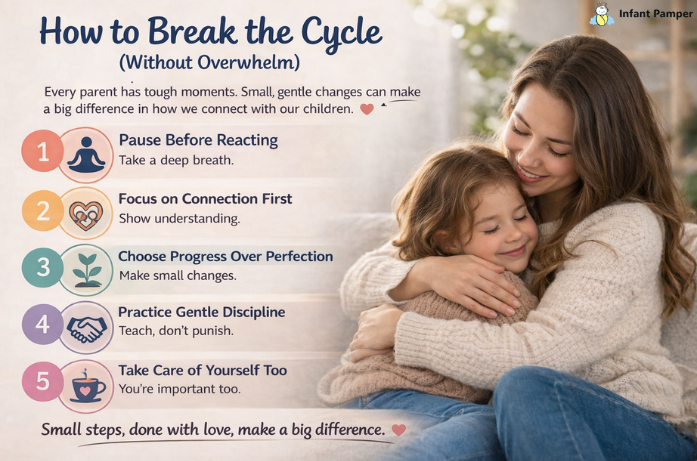
How to Break the Cycle (Without Overwhelm)
If you’ve recognized some of these habits in your own parenting, I want to gently remind you of something important, please don’t feel guilty. Every parent has moments they wish they could redo. What truly matters is that you’re aware now, and that awareness is already a powerful step forward.
You don’t need to change everything overnight. Small, intentional shifts can slowly transform the way you connect with your child.
1. Pause Before Reacting
In those challenging moments when your child is crying, refusing, or pushing limits, it’s easy to react instantly. But even taking a small pause, just a deep breath, can make a big difference.
That tiny moment gives you space to respond calmly instead of reacting out of frustration. And over time, your child learns from that calm energy too.
2. Focus on Connection First
Children are much more likely to listen when they feel understood. Before correcting behavior, try to connect with what they’re feeling.
You can say simple things like, “I know you’re upset” or “I’m here with you.” These small words create a sense of safety and trust.
When a child feels seen and heard, their behavior often softens naturally.
3. Choose Progress Over Perfection
It’s easy to feel like you need to fix everything at once, but parenting doesn’t work that way. Real change happens slowly, in everyday moments.
Maybe today you listen a little more. Maybe tomorrow you react a little less. Maybe you pause instead of raising your voice.
These small changes may seem simple, but over time, they build a calmer, more connected relationship with your child.
4. Practice Gentle Discipline
Discipline doesn’t have to mean control or punishment. It can be about guiding your child with patience and understanding.
When you focus on teaching instead of punishing, your child learns why something matters, not just what to avoid. Practicing gentle parenting discipline helps build trust, emotional safety, and long-term cooperation.
This is the heart of parenting without power struggles, where respect grows through connection, not fear.
5. Take Care of Yourself Too
This is something many parents forget, but your well-being truly matters. When you’re constantly tired or overwhelmed, it becomes much harder to respond with patience.
Taking care of yourself doesn’t have to be big or complicated. It can be as simple as a quiet cup of tea, a short walk, or talking to someone who understands.
You give so much to your child every day. You deserve that same care too. Studies referenced in resources like the National Institutes of Health also emphasize how emotional support plays a key role in long-term mental well-being.
Final Thoughts
If you’re worried about the impact of your parenting, it already shows how deeply you care. And that love, that intention to do better, is one of the most powerful things your child will ever receive. Even if some parenting habits create struggling adults, the beautiful truth is that habits can change, and growth is always possible.
So take a deep breath, mama. You don’t need to be perfect, you just need to be present, patient, and willing to learn along the way. Because in your child’s eyes, you are their safe place, their comfort, and their whole world… and that already makes you enough.
FAQs
1. Can parenting habits really affect a child’s future?
Yes, everyday parenting habits can shape a child’s confidence, emotional health, and ability to handle challenges as they grow into adults.
2. What are common parenting struggles that affect children?
Common parenting struggles include lack of time, stress, inconsistency, and difficulty setting boundaries, all of which can impact a child’s development.
3. How can I practice parenting without power struggles?
Focus on connection, stay calm, set clear boundaries, and guide your child with understanding instead of control or punishment.
4. What should I do if I feel like I’m not a good parent?
It’s normal to feel this way sometimes. Take a step back, be kind to yourself, and remember that learning and improving is part of parenting.
5. How can single parents manage parenting challenges better?
If you’re facing single parent struggles, try to build small routines, seek support where possible, and focus on quality time with your child rather than perfection.
Subscribe to Infant Pamper for more gentle parenting tips, real-life support, and comforting guidance made just for moms like you.
Disclaimer: This article is for general informational and supportive purposes only. Every child is different, so for specific concerns, please consult a qualified pediatrician or child expert.