By a caring mom at Infant Pamper
Bringing home a newborn is one of the sweetest and most emotional moments in life. But along with all the tiny cuddles and sleepless nights come so numerous questions, especially about sleep safety. I still flash back standing beside my baby’s crib at 2 a.m., wondering, can a Newborn sleep on her side safely? If you’ve noticed your little bone
Many new parents worry the first time they see their baby curled to one side. The good news is that most of the time, it’s completely normal. Understanding safe sleep habits can help you feel calmer and more confident during those early newborn weeks.
Can a Newborn Sleep on Her Side?
No, newborns should always be placed on their backs to sleep. Side sleeping is not considered safe because babies can accidentally roll onto their tummy during sleep, increasing the risk of breathing problems and Sudden Infant Death Syndrome (SIDS).
The safest sleep setup for newborns includes:
- Placing baby on the back
- Using a firm mattress
- Keeping the crib empty
- Avoiding pillows, blankets, and sleep positioners
As moms, we naturally want our babies to feel cozy and comfortable. But when it comes to sleep, safety should always come first.
According to the National Institute of Child Health and Human Development (NICHD) , babies should always be placed on their backs for sleep to help reduce the risk of SIDS.
Why Back Sleeping Is Safest
Years ago, parents were frequently told to place babies on their tummies or sides during sleep. Over time, exploration showed that babies sleep safest on their back.
Since doctors began recommending back sleeping, SIDS rates have dropped significantly.
Newborns have veritably little neck strength during the first many months. However, they may not be suitable to move down fluently, If their face presses against soft coverlet.
Back sleeping helps keep your baby’s airway open and lowers the threat of suffocation.
Even if your baby seems to prefer curling to one side, continue placing her on her reverse at the launch of every nap and bedtime.
Why Some Babies Roll Slightly to the Side
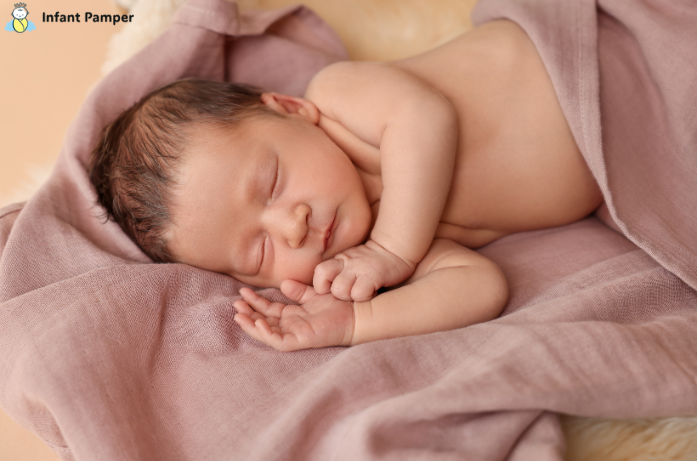
If your newborn rolls to side while sleeping, try not to panic.
Many babies still carry the curled position they had inside the womb. Their legs and hips naturally tuck inward, causing them to lean slightly sideways during sleep. This is often called the “newborn curl.”
It’s very common during the first few weeks after birth.
This does not always mean your baby is intentionally trying to side sleep. In most cases, it’s simply a temporary newborn habit that improves as muscles strengthen.
Whenever you notice your baby leaning too far to one side, gently budge her onto her reverse.
Is Side Sleeping Dangerous?
Parents often ask, is it safe for newborns to sleep on their side?
The biggest concern is that side sleeping is unstable. Babies can accidentally roll from their side onto their stomach without being suitable to roll back.
Because newborns cannot fully control their head and neck movements yet, stomach sleeping can increase sleep risks.
If your newborn sleeping on side positions happens occasionally, calmly reposition her without stressing too much.
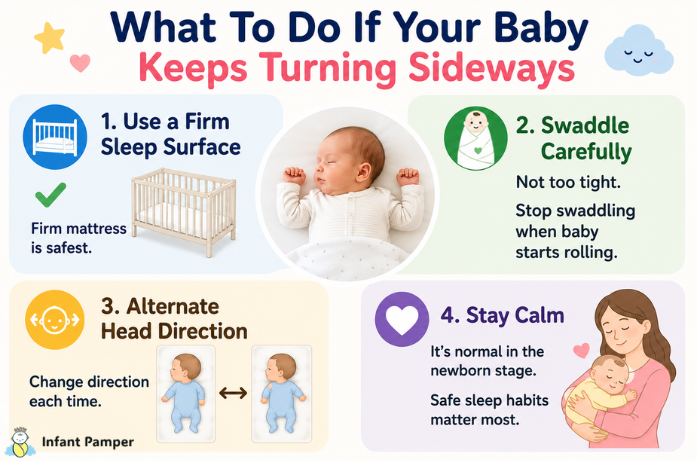
What To Do If Your Baby Keeps Turning Sideways
Some newborns seem determined to wiggle sideways no matter how carefully you place them down.
If this happens often, here are a few simple things you can do.
Use a Firm Sleep Surface
A firm mattress helps prevent unsafe rolling and sinking.
Avoid:
- Baby nests
- Soft loungers
- Sleep wedges
- Cushioned sleep surfaces
A flat crib or bassinet with a fitted sheet is safest.
Swaddle Carefully
Swaddling can reduce unforeseen movements that make babies twist sideways.
still, swaddles should noway be too tight around the hips, and they should be stopped formerly babies begin trying to roll designedly.
Alternate Head Direction
Some babies naturally favor turning their head one way.
Gently changing the direction you place your baby in the crib may help encourage balanced positioning.
Stay Calm
This is important for every tired parent to hear.
Numerous babies compactly coil or lean sideways during the Newborn stage. Safe sleep habits matter more than constantly watching every bitsy movement.
You’re doing a wonderful job already.
Feeding, Reflux, and Sleep Concerns
Many parents worry about babies choking while sleeping on their backs after feeding.
It’s completely understandable, especially if your baby spits up often.
But healthy babies naturally have protective reflexes that help keep their airway clear. Studies show that back sleeping does not increase choking risk in healthy newborns.
Even after feeding, babies should still sleep on their backs unless your pediatrician advises otherwise for a medical reason.
If your baby has severe reflux or another condition, always follow your doctor’s guidance.
Parents can also read the American Academy of Pediatrics safe sleep guide for more expert-backed newborn sleep recommendations.
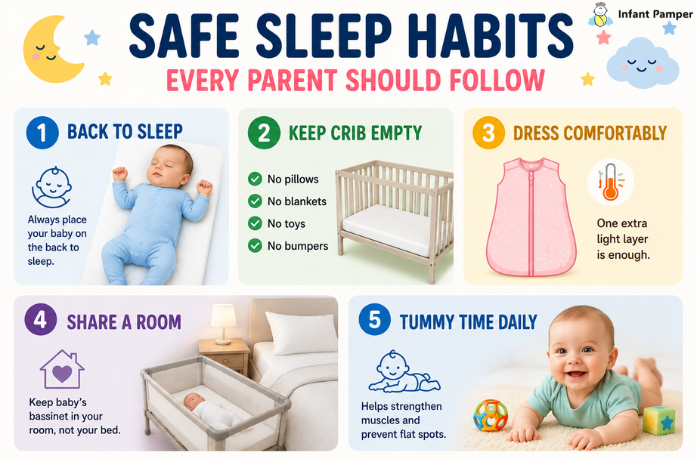
Safe Sleep Habits Every Parent Should Follow
Creating a safe sleep environment doesn’t need to be complicated.
Simple routines make the biggest difference.
1. Always Start Sleep on the Back
Whether it’s a daytime nap or bedtime, always place your baby on the back first.
2. Keep the Crib Empty
Your baby’s sleep area should not contain:
- Pillows
- Blankets
- Toys
- Bumpers
Simple and clutter-free is safest.
3. Dress Baby Comfortably
Overheating can make babies uncomfortable during sleep.
A good rule is dressing your baby in one extra light layer compared to what you are wearing.
4. Share a Room, Not a Bed
Keeping your baby’s bassinet near your bed can make nighttime feeding easier while supporting safer sleep.
5. Offer Supervised Tummy Time
Daily tummy time helps strengthen neck and shoulder muscles while preventing flat spots on the head.
Even a few minutes each day can help.
Common Sleep Mistakes Parents Make
Every parent makes mistakes during those exhausting newborn weeks. Give yourself grace.
Here are a few sleep habits to avoid.
Letting Baby Sleep on the Couch
Couches and armchairs can be dangerous because babies may become trapped between cushions.
Using Sleep Positioners
Products designed to keep babies on their side are not recommended for safe sleep.
Adding Loose Blankets
Loose bedding can cover a baby’s face during sleep.
Instead, choose:
- Sleep sacks
- Footed pajamas
- Lightweight sleepwear
Final Thoughts for Tired Parents
If you’ve been worrying about whether your baby sleeping on the side is dangerous, take a deep breath. The safest habit is simply placing your baby on their back for every sleep. If your little one occasionally curls slightly to one side, don’t panic many newborns naturally do this during the first few weeks.
Focus on creating a safe sleep space, follow safe sleep basics consistently, and trust yourself as a parent. Parenthood comes with many questions and worries, but your love, care, and attention already mean your baby is in safe hands.
Follow Infant Pamper for more helpful baby care tips, gentle parenting advice, and newborn sleep guidance.
Frequently Asked Questions
1. Can newborns sleep on their side during naps?
No. Safe sleep recommendations apply to naps and nighttime sleep. Babies should always be placed on their backs.
2. Why is my newborn sleeping on side sometimes?
Many newborns naturally curl slightly because of their position in the womb. This usually improves within a few weeks.
3. Can newborn sleep on side after feeding?
Even after feeding, babies should still be placed on their backs unless your pediatrician recommends otherwise.
4. Is it safe for newborns to sleep on their side if supervised?
Even with supervision, back sleeping remains the safest option for newborns.
Disclaimer: This article is for informational purposes only and should not replace professional medical advice. Always consult your pediatrician for concerns about your baby’s sleep or health.