Written by a caring mom at Infant Pamper
As parents, we all hope to raise children who feel secure, confident, compassionate, and ready to face the world. But with so many parenting opinions and advice available today, it is natural to wonder, what is the best parenting style for your child?
The beautiful thing about parenting is that there is no one-size-fits-all approach. Every child has their own personality, emotions, and needs, and every family creates its own unique parenting journey. However, certain parenting approaches can help children develop confidence, emotional strength, independence, and strong relationships.
In this guide, we will look at different parenting styles, understand their impact on children, and explore simple ways to create a nurturing environment where your child feels loved, supported, and encouraged to grow.
What Is the Best Parenting Style for Raising Confident Kids?
When parents ask what is the best parenting style, they are often looking for a simple answer. They want to know the right balance between being loving and setting boundaries.
Many child development experts consider authoritative parenting to be one of the most supportive approaches for raising confident children. This style combines warmth, understanding, and clear expectations. Parents provide guidance while also listening to their child’s feelings and encouraging independence.
However, the best parenting style is not about following a strict formula. It is about understanding your child, responding with patience, and creating a safe space where they feel valued.
A child does not need a perfect parent. They need a parent who is present, willing to learn, and ready to repair mistakes with love.
Understanding Different Parenting Styles
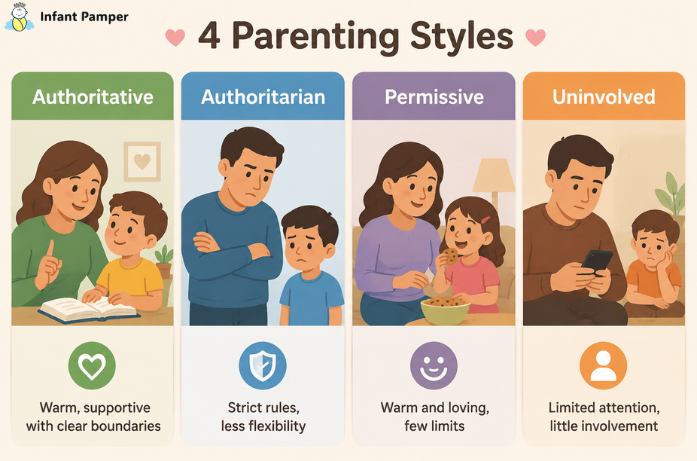
Parenting styles are often grouped into four main categories. Each style has different ways of communicating, setting rules, and responding to a child’s needs. Understanding these different approaches can help parents reflect on their own habits and learn how their choices may influence their child’s emotional and social development. The Cleveland Clinic explains different parenting styles and how they can shape family relationships and child behavior.
Understanding these approaches can help parents reflect on their own habits and choose what works best for their family.
1. Authoritative Parenting: A Balance of Love and Boundaries
Authoritative parenting focuses on connection, communication, and healthy limits. Parents using this approach provide rules but also explain the reasons behind them.
For example, instead of simply saying, “Stop playing and go to bed,” an authoritative parent might say, “I know you are having fun, but your body needs rest so you can feel good tomorrow.”
Children raised with this approach often learn problem-solving skills, emotional control, and confidence because they feel supported while learning responsibility.
This parenting style teaches children that their feelings matter, but boundaries are also important.
2. Authoritarian Parenting: Strict Rules With Less Flexibility
Authoritarian parenting focuses heavily on obedience and discipline. Parents may create many rules and expect children to follow them without much discussion.
Structure and consistency can be helpful for children, but too much strictness without emotional connection may make some children feel afraid to express themselves.
A child needs guidance, but they also need to know they can come to their parents when they are struggling.
Finding a balance between discipline and understanding can help create a healthier relationship.
3. Permissive Parenting: Lots of Love With Few Limits
Permissive parents are often very warm and caring but may struggle with setting firm boundaries. They may avoid saying no because they want their child to feel happy.
While affection is important, children also need structure. Clear routines and expectations help children feel secure because they understand what is expected of them.
Gentle boundaries are not about controlling a child. They are about helping children learn important life skills.
4. Uninvolved Parenting: When Connection and Guidance Are Limited
Uninvolved parenting happens when children receive little emotional support, attention, or guidance.
This does not always happen intentionally. Parents may experience stress, exhaustion, financial challenges, or personal struggles that make it difficult to stay emotionally available.
Children need connection and reassurance. Even small moments of attention, such as listening to their stories or sharing a meal together, can strengthen the parent-child bond.
How Parenting Styles Affect Child Development
Many parents wonder how parenting styles affect child development because the way we respond to children can shape how they see themselves and the world around them.
A child who grows up feeling respected and supported may develop stronger emotional confidence and communication skills. Encouraging learning through play and daily activities can also support growth, as shown in these child development activities for kids. They learn that their feelings are important and that mistakes are opportunities to learn.
On the other hand, parenting that relies heavily on fear, criticism, or a lack of connection may affect how children handle emotions, relationships, and challenges.
This does not mean parents need to worry about every mistake. All parents have difficult days. What matters most is the overall relationship and the effort to create a loving, supportive environment.
Signs of a Healthy Parenting Approach
A healthy parenting style is not measured by how many rules you have or how often your child listens perfectly. It is reflected in the relationship you build together.
Some signs of a positive parenting approach include:
1. Your Child Feels Safe Sharing Feelings
Children should know they can talk to you about their worries, mistakes, and emotions without feeling ashamed.
You do not have to agree with every feeling, but acknowledging emotions helps children learn how to manage them.
Instead of saying, “Don’t cry,” try saying, “I know you are upset. I am here with you.”
2. You Set Loving Boundaries
Children need limits because boundaries help them feel safe. A child may not always like a rule, but consistency helps them understand expectations.
Simple routines around bedtime, meals, screen time, and responsibilities can make daily life smoother.
3. You Encourage Independence
Confidence grows when children have opportunities to try things themselves.
Let your child choose between two outfits, help prepare a simple meal, organize toys, or solve small problems.
These little moments teach children that they are capable.
4. You Focus on Connection Before Correction
Children often respond better when they feel connected.
Before correcting behavior, try to understand what your child may be feeling. A child who is acting out may be tired, overwhelmed, hungry, or looking for attention.
Connection does not mean allowing every behavior. It means approaching discipline with love.
Practical Tips for Becoming a More Positive Parent
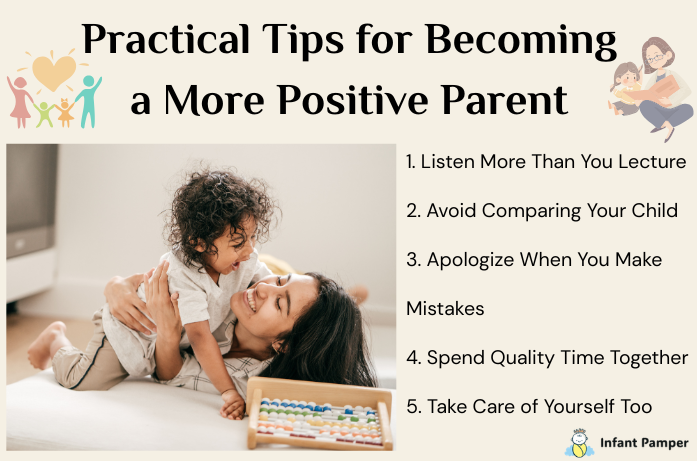
Parenting does not require perfection. Small daily choices can create a big impact over time.
1. Listen More Than You Lecture
Children learn through conversations. When they share something, try to pause and truly listen.
Even small stories about their day are opportunities to build trust.
2. Avoid Comparing Your Child
Every child develops differently. Comparing your child to siblings, friends, or other children can affect their confidence.
Celebrate your child’s individual personality, strengths, and progress.
3. Apologize When You Make Mistakes
One of the most powerful lessons a parent can teach is that everyone makes mistakes.
Saying, “I was frustrated earlier, and I should have spoken more calmly. I am sorry,” shows children how to take responsibility.
4. Spend Quality Time Together
Children remember connection more than perfection.
Reading a bedtime story, taking a walk, cooking together, or enjoying time together create meaningful moments and strengthen your relationship.
5. Take Care of Yourself Too
A parent’s emotional health matters. When you are constantly exhausted or overwhelmed, parenting can feel much harder.
Rest when possible, ask for help, and make time for activities that refill your energy.
Taking care of yourself helps you show up with more patience and love.
Can Your Parenting Style Change Over Time?
Absolutely. Parenting is a journey, not a fixed identity.
Many parents adjust their approach as their child grows. What works for a toddler may not work for a teenager. Children’s personalities, experiences, and needs change over time.
You may also notice your own parenting style changing as you learn more about yourself and your child.
Growth is part of parenting. The goal is not to be perfect but to keep building a strong, loving relationship.
Common Parenting Mistakes and How to Improve Them
Every parent makes mistakes. Feeling guilty about every imperfect moment can make parenting more stressful.
Some common challenges include:
Being Too Hard on Yourself
Many parents feel pressure to do everything perfectly. Remember that children do not need flawless parents. They need caring parents who continue trying.
Reacting Instead of Responding
When emotions are high, it is easy to react quickly. Taking a moment before responding can help you handle difficult situations calmly.
Forgetting to Show Affection
Children need to hear and feel that they are loved. Hugs, kind words, and small gestures of affection help build emotional security.
The Role of Love in Every Parenting Style
No matter which parenting approach you follow, love is the foundation.
Children need to know they belong. They need encouragement when they succeed and comfort when things do not go well.
A loving relationship gives children confidence to explore the world, make mistakes, and keep learning.
The most important thing you can give your child is not a perfect childhood. It is the feeling that they are loved, accepted, and supported.
Final Thoughts
So, what is the best parenting style? The answer is one that combines love, guidance, patience, and understanding.
While authoritative parenting is often associated with positive child outcomes, the most meaningful part of parenting is the connection you create with your child every day.
There will be moments when you feel unsure, tired, or overwhelmed. That is normal. Parenting is a learning journey filled with both beautiful memories and challenging days.
Keep showing up. Keep listening. Keep loving.
Your child does not need a perfect parent they need you, with all your care, effort, and love.
Frequently Asked Questions
1. What is the best parenting style?
The best parenting style is one that combines love, support, clear boundaries, and open communication. Many experts consider authoritative parenting a positive approach for raising confident and emotionally healthy children.
2. How do parenting styles affect child development?
Parenting styles can influence a child’s confidence, emotional skills, behavior, and relationships. A supportive and balanced approach helps children feel secure while learning independence.
3. What is authoritative parenting?
Authoritative parenting is a style that combines warmth with healthy boundaries. Parents guide their children while also listening to their feelings and encouraging independence.
4. Can parenting styles change over time?
Yes, parenting styles can change as children grow and family needs change. Parents can learn, adjust, and develop new approaches throughout their parenting journey.
5. Do I need to be a perfect parent?
No, children do not need perfect parents. They need parents who are loving, present, and willing to learn from mistakes while building a strong connection.
Every child is unique, and every parenting journey is different. Explore more helpful parenting guides on Infant Pamper.