
Authored by: The Infant Pamper Team
Becoming a first-time parent is one of the most exciting, rewarding, and overwhelming experiences in life. As you step into this new chapter, you may find yourself grappling with countless worries. You want to do everything right for your baby, but the reality is, it’s a huge learning curve. From sleepless nights to dealing with health concerns, it’s easy to feel like you’re always unsure of what’s next.
As a mom who’s been through it all, I know that feeling of uncertainty all too well. But I’m here to reassure you that most of these worries are normal, and with a bit of guidance, you can confidently face them. Below, I’ll walk you through the 10 most common worries for first-time parents and share simple, practical tips to help you feel more at ease.
1. Is My Baby Eating Enough?
One of the first things many new parents worry about is whether their baby is feeding enough. Whether you’re breastfeeding or bottle-feeding, it’s easy to second-guess yourself, especially if your baby seems to want to nurse constantly or is fussy after feedings.
For breastfeeding moms: Frequent feedings in the early days help establish a good milk supply.
For bottle-feeding: Make sure you’re following the recommended amounts based on your baby’s age and weight.
Signs your baby is eating enough: Look for consistent weight gain and a happy, satisfied baby after feedings.
Don’t hesitate to consult: If you’re ever unsure about feeding, reach out to your pediatrician for guidance.
Don’t hesitate to consult: If you’re ever unsure about feeding, reach out to your pediatrician for guidance. Babies are great at letting you know when they’re hungry, and over time, you’ll feel more confident in recognizing their cues. When your little one is ready for solids, our guide to broccoli puree can help you get started. For further guidance on positive parenting, the CDC provides excellent tips on nurturing your baby’s growth and development.
2. How Can I Get My Baby to Sleep?
Sleep deprivation is one of the toughest parts of becoming a new parent. Newborns sleep a lot, but they do so in short bursts, often leaving parents exhausted.
Create a calming bedtime routine: A consistent routine can help set the foundation for better sleep as your baby grows.
Sleep environment matters: Keep the environment dark, quiet, and cool to help your baby sleep better.
It’s okay to feel tired: It’s completely normal for your baby to wake up frequently in the first few months. Hang in there, this phase won’t last forever!
3. Why is My Baby Crying So Much?
Crying is your baby’s way of communicating, but it’s easy to feel helpless when nothing seems to calm them down. It’s a common worry, especially for first-time parents who are still learning to interpret their baby’s needs.
Crying reasons: Babies cry for various reasons, including hunger, dirty diapers, discomfort, or simply the need for comfort.
The “Five S’s” method: Dr. Harvey Karp’s method Swaddling, side or stomach position, shushing, swinging, and sucking, can work wonders in calming a fussy baby.
Take a break if needed: If you’re feeling overwhelmed, it’s okay to put your baby down in a safe spot and take a short break.
Trust your instincts: As you spend more time with your baby, you’ll get better at identifying the cause of the crying and soothing them effectively.
4. Am I Doing Everything Right?
The pressure to be the “perfect” parent can feel overwhelming. Whether it’s comparing yourself to others or trying to meet all the milestones, it’s easy to get lost in self-doubt.
There is no such thing as a perfect parent. Every baby is different, and you will learn what works for your family. Trust your instincts, and allow yourself to make mistakes, parenting is about growth, not perfection.
5. Is My Baby’s Health Okay?
As a first-time parent, it’s normal to worry about your baby’s health. From diaper rashes to mild colic, you might question whether everything is as it should be.
Routine check-ups are key: Regular pediatrician visits are important for monitoring your baby’s health and growth. As your baby begins solids, prune puree can be a nutritious option to include in their diet.
When to worry: If your baby experiences a fever, trouble feeding, or seems unusually lethargic, consult your pediatrician. However, most common issues like mild colic or diaper rashes are usually harmless and can be managed with simple remedies.
6. How Do I Deal with Sleep Deprivation?
Getting enough rest becomes a huge challenge when you’re a new parent. Sleepless nights are inevitable, but they can take a toll on your physical and emotional well-being.
Take naps when your baby sleeps during the day. Rest when you can to catch up on sleep.
Share nighttime duties with your partner if possible. Taking turns can give both of you a chance to rest.
Don’t be afraid to ask for help. If family or friends offer to pitch in, accept the help! A little support can go a long way.
7. What if I’m Not Bonding with My Baby?
Bonding is an important part of parenting, but many new parents worry they’re not bonding with their baby in the way they should be. It’s a common concern, especially in the early weeks when everything is still so new.
Bonding happens in many forms: Whether it’s holding your baby, talking, singing, or even simply making eye contact, your connection will grow stronger every day.
Give it time: If it doesn’t feel instant, don’t worry. Bonding takes time, and it doesn’t have to look the same for everyone. Trust that your connection will grow.
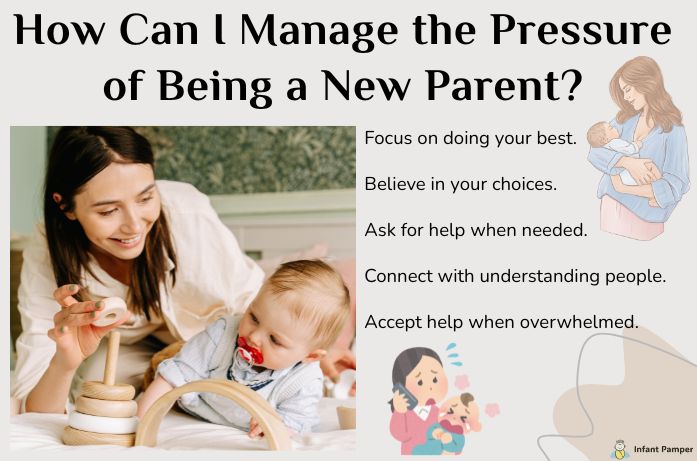
8. How Can I Manage the Pressure of Being a New Parent?
There’s a lot of external pressure when you become a parent, whether it’s from family, social media, or societal expectations. This pressure can feel overwhelming, especially when you’re adjusting to your new role.
Let go of perfection: Understand that parenting isn’t about being perfect. It’s about doing your best, and that’s enough.
Trust yourself: Believe in your ability to make the right choices for your baby and family.
Seek advice: Ask for help when you need it, and don’t be afraid to reach out for support or guidance from others.
Surround yourself with supportive people: Spend time with those who understand your challenges and can offer reassurance and advice. It’s okay to ask for help!
If you need more support, you can explore resources from UNICEF, which provides helpful tips for new parents on child development and navigating these pressures.
9. What Should I Do if I’m Struggling with Postpartum Emotions?
Many first-time moms struggle with emotional ups and downs after giving birth. Whether it’s baby blues or something more serious like postpartum depression, it’s important to address these feelings.
Postpartum emotions are common: But if you’re feeling persistently sad, anxious, or overwhelmed, reach out for help.
Talk to your doctor or a counselor: You don’t have to go through this alone. There’s no shame in seeking support.
10. How Do I Balance Parenting and My Relationship?
Parenthood changes every aspect of your life, including your relationship with your partner. Balancing the needs of your baby and the demands of your relationship can be tricky.
Communication is key: Make time for each other, even if it’s just a few minutes at the end of the day to talk or connect.
Lean on each other: Parenting is a team effort. Support each other, and don’t hesitate to ask for help from family or friends to give you both some time to recharge.
Conclusion: You’ve Got This, Mama
First-time parenting comes with its challenges, but it’s also one of the most rewarding experiences you’ll ever have. You might not have all the answers right away, but with time, patience, and the support of your community, you’ll grow into the amazing parent your baby needs.
At Infant Pamper, we understand that it’s okay to feel uncertain at times. You’re doing great! Take it one day at a time, and remember that you’re not alone in this journey. Trust your instincts, seek support, and enjoy the beautiful moments with your little one.
FAQs for First-Time Parents
1. How do I know if my baby is eating enough?
Trust your baby’s hunger cues. If you’re breastfeeding, frequent feedings establish milk supply. For bottle-feeding, follow recommended amounts based on age and weight.
2. What can I do to help my baby sleep better?
Create a calming bedtime routine, keep the sleep environment dark and quiet, and nap when your baby sleeps.
3. How can I calm my crying baby?
Try the “Five S’s” method: swaddle, side position, shush, swing, and suck. If overwhelmed, take a break and ensure your baby is safe.
4. Is it normal to feel overwhelmed?
Yes, it’s common. Trust yourself, seek advice, and ask for help when needed. It takes time to adjust.
5. How do I deal with sleep deprivation?
Take naps when your baby sleeps, share nighttime duties with your partner, and ask for help when necessary.
Join our Infant Pamper community for more tips and support. Subscribe now for helpful parenting advice delivered right to your inbox!
Disclaimer: The information provided in this article is for general informational purposes only and should not replace professional medical advice. Always consult your pediatrician or healthcare provider regarding any concerns about your baby’s health or development.