Written by a caring mom at Infant Pamper
Planning a baby shower can feel exciting, emotional, and a little overwhelming. You want the day to feel special, but there are invitations to send, food to arrange, decorations to choose, and many small details to remember.
If you are wondering how to plan a baby shower without feeling stressed, the best approach is to take one simple step at a time. A baby shower does not need to be expensive or perfect. What matters most is creating a warm celebration where the parents-to-be feel loved, supported, and comfortable.
This guide includes a simple timeline, practical ideas, budget tips, and an easy baby shower planning checklist to help you organize a beautiful event.
How Do You Plan a Baby Shower?
Start by asking the parents-to-be what kind of celebration they would enjoy. Then choose the host, set a budget, decide the date and venue, prepare the guest list, and arrange the invitations, food, decorations, games, and gifts.
Most baby showers can be planned comfortably within six to eight weeks. A small home celebration may need less preparation, while a larger event or booked venue may require more time.
Once the date, budget, venue, and guest list are confirmed, the remaining parts of planning a baby shower become much easier.
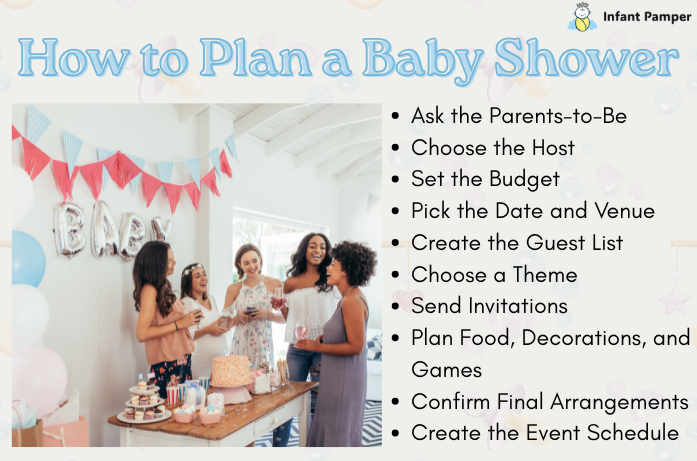
How to Plan a Baby Shower Step by Step
The easiest way to begin is to divide the celebration into smaller, manageable tasks. Trying to make every decision at once can turn a joyful occasion into a stressful project.
Every family is different. Some parents enjoy a lively gathering with games, music, and plenty of guests. Others prefer a quiet brunch or afternoon tea with close family and friends.
Use the following steps as a flexible guide. Adjust them according to your budget, traditions, available space, and the mom-to-be’s comfort.
Step 1: Talk to the Parents-to-Be
Before making any arrangements, ask the parents-to-be what kind of baby shower they would enjoy.
Find out whether they prefer a large party or a smaller gathering. Ask whether they would like close friends, relatives, coworkers, couples, or children to attend.
You should also discuss whether the shower will be a surprise. Surprises can be lovely, but pregnancy may bring tiredness, nausea, anxiety, or physical discomfort. Many expectant moms feel more relaxed when they know the date.
Talk about food preferences, cultural traditions, the gift registry, theme ideas, and activities they would rather avoid. It is also helpful to ask whether they want to open gifts during the event.
The celebration is for the parents-to-be, so their comfort should guide every important decision.
Step 2: Choose the Host
A baby shower may be hosted by a friend, sister, cousin, aunt, coworker, parent, or a group of loved ones. There is no strict rule about who should organize it.
Co-hosting can make baby shower planning much easier. One person can manage invitations, another can arrange food, and someone else can prepare decorations or games.
Choose one main organizer who keeps track of the full plan. This helps prevent repeated purchases, forgotten tasks, and confusion.
If several people are sharing the cost, discuss the budget and responsibilities early so everyone knows what they are expected to manage.
Step 3: Set the Budget
Set a comfortable budget before booking a venue or buying decorations. Your spending limit will influence the number of guests, food, cake, venue, games, and party favors.
Think about the main expenses, including invitations, food, drinks, decorations, cake, tables, chairs, prizes, and last-minute supplies.
Keep a small amount aside for unexpected needs. Extra ice, napkins, disposable plates, serving spoons, tape, or additional drinks are easy to forget.
A meaningful baby shower can be created on any budget. Digital invitations, homemade snacks, borrowed decorations, and help from loved ones can make the day beautiful without overspending.
Step 4: Pick the Date and Time
The best date depends on the mom-to-be’s health, comfort, schedule, and personal preference.
Try not to plan the event too close to the due date. The final weeks of pregnancy can be tiring, and some babies arrive earlier than expected.
Weekend afternoons are popular because they are convenient for many guests. They also work well for brunch, lunch, afternoon tea, or light snacks.
Most baby showers last around two to three hours. This provides enough time for food, conversations, games, gifts, and photos without making the day exhausting.
Step 5: Create the Guest List
Work with the parents-to-be when preparing the guest list. Do not assume whom they want to invite, especially if family relationships are sensitive.
A smaller guest list can create a warm and personal atmosphere. A larger gathering may feel more energetic and festive. Both can be beautiful when they reflect the parents’ wishes.
The final guest count will affect the venue, budget, seating, food quantity, favors, and game supplies.
Collect each guest’s correct name, phone number, email address, or postal address. Keeping this information together will also make RSVP tracking easier.
Step 6: Choose the Venue
Choose a location that is easy to reach, large enough for the guest list, and comfortable for the pregnant mom.
A baby shower can be hosted at home, in a garden, at a café, in a restaurant, at a community hall, in a private event room, at a park, or online.
Home celebrations can feel warm and affordable, but consider seating, parking, bathrooms, kitchen space, and cleanup.
When booking a venue, ask what is included in the price. Some places provide tables, chairs, catering, linens, staff, or decorations, which can reduce your workload.
For outdoor celebrations, always prepare a backup plan in case of rain, strong wind, or uncomfortable heat.
Step 7: Choose a Theme
A theme is optional, but it can make choosing invitations, decorations, cake, and favors much easier.
The theme does not need to be elaborate. A simple color palette can create a coordinated and elegant look.
Popular ideas include teddy bears, little stars, moon and clouds, storybooks, baby animals, woodland, wildflowers, honeybees, boho rainbows, or a garden-party theme.
You can also choose neutral beige and gold, soft pastel shades, or colors that match the baby’s nursery.
A baby shower theme based on the parents’ favorite books, hobbies, family traditions, or travel memories can make the celebration feel more personal.
Choose something that fits the budget and is easy to arrange. A theme should simplify planning baby shower details, not create extra pressure.
Step 8: Send Invitations
Send invitations around four to six weeks before the event. This gives guests enough time to save the date, arrange travel, and choose a gift.
Invitations may be printed, emailed, or shared through messaging apps. The format matters less than making the information clear.
Include the parents’ names, date, start and finish time, venue address, host’s contact details, RSVP deadline, and gift registry information.
You should also mention whether children or partners are invited. Add the theme, dress code, or any special instructions when needed.
Ask guests to reply one or two weeks before the shower. A confirmed guest count will make food, seating, and favor planning easier.
Step 9: Follow This Baby Shower Planning Checklist
A clear baby shower checklist helps you stay organized and avoid last-minute stress.
Six to Eight Weeks Before
- Speak with the parents-to-be.
- Choose the host and helpers.
- Set the budget and date.
- Prepare the guest list.
- Book the venue.
- Choose the theme.
- Confirm the gift registry.
Four to Six Weeks Before
- Send invitations.
- Plan the menu.
- Order the cake.
- Choose decorations and games.
- Confirm tables and chairs.
- Book any required vendors.
Two to Three Weeks Before
- Follow up on RSVPs.
- Buy game supplies and prizes.
- Confirm food orders.
- Create a playlist.
- Plan the seating arrangement.
One Week Before
- Confirm the final guest count.
- Buy non-perishable food.
- Prepare decorations.
- Arrange serving dishes.
- Print game sheets.
- Prepare a gift-recording list.
The Day Before
- Decorate as much as possible.
- Prepare food that can be safely stored.
- Chill drinks.
- Pack prizes and favors.
- Charge phones and cameras.
- Confirm helper arrival times.
Step 10: Plan the Food and Drinks
Choose the menu according to the event time, guest count, venue, and budget.
For an afternoon shower, finger foods may be enough. A brunch can include breakfast dishes, while an evening celebration may require a fuller meal.
Mini sandwiches, wraps, fruit platters, vegetable cups, cheese and crackers, pasta salad, mini pizzas, and savory pastries are easy options.
For dessert, you may serve cake, cupcakes, cookies, brownies, or a small mixed dessert table.
Offer several choices so guests with different tastes can find something they enjoy. Ask about allergies and dietary restrictions before finalizing the menu.
Provide plenty of water along with juice, lemonade, tea, coffee, and pregnancy-safe non-alcoholic drinks. Make sure the mom-to-be can easily reach food and water throughout the event.
Step 11: Keep Decorations Simple
You do not need to decorate every wall or table. A few thoughtful details often look better than too many unrelated items.
A balloon arrangement, welcome sign, banner, flowers, tablecloth, fairy lights, or photo backdrop can create a festive atmosphere without making the room feel crowded.
Focus on one or two main areas, such as the cake table and photo corner. This saves money, reduces setup time, and creates a more coordinated look.
You can also display baby photos of the parents or use small flower-filled jars as centerpieces.
Reusable items such as fabric banners, baskets, vases, and neutral tableware are practical choices.
Step 12: Choose Simple Games
Games can help guests relax and interact, especially when different groups of family and friends are meeting for the first time.
Choose two or three activities rather than filling the entire celebration with games.
You could ask guests to bring a childhood photo and let everyone guess who is who. A baby-name race, due-date prediction calendar, or baby-item memory game can also be enjoyable.
Another meaningful activity is asking guests to write a short message, parenting tip, or wish for the baby.
Avoid games that may embarrass the mom-to-be or make guests uncomfortable. Activities should feel friendly, light, and optional.
Step 13: Make the Mom-to-Be Comfortable
While planning the food, decorations, and games, do not forget the most important person in the room.
Choose a supportive chair and keep water, snacks, tissues, and a cushion nearby. Make sure she has easy access to the bathroom and does not need to stand for long periods.
Avoid seating her near loud speakers or direct heat. Allow time for small breaks if she feels tired or overwhelmed.
A thoughtful host pays attention to her energy and adjusts the event when needed. Comfort should always be more important than following a strict plan.
Step 14: Create an Event Schedule
A loose schedule helps the celebration flow naturally without making it feel controlled.
- Welcome guests and serve drinks.
- Allow time for conversations and photos.
- Serve food or brunch.
- Play one or two games.
- Enjoy cake or dessert.
- Open gifts or share messages.
- Take group photos.
- Thank guests and give favors.
Do not worry if the timing changes. Guests may arrive late, conversations may last longer than expected, or the mom-to-be may need a break.
The schedule should guide the day, not control it. After the shower, keep the gift list safe so the parents can send thoughtful thank-you cards to their guests.
Step 15: Ask for Help
You do not need to manage every detail alone. Ask trusted friends or relatives to take responsibility for specific tasks.
One person can welcome guests, another can manage the food table, and someone else can lead the games or take photographs.
Give each helper a clear job before the event begins. This is much easier than trying to assign tasks after guests have arrived.
Sharing responsibilities will help you stay calm and allow you to enjoy the celebration too.
Common Baby Shower Planning Mistakes
Try to avoid these common mistakes:
- Inviting guests without consulting the parents-to-be
- Spending more than you can afford
- Planning too many games
- Forgetting allergies or dietary restrictions
- Scheduling the shower too close to the due date
- Making the event too long
- Leaving every task until the final week
- Forgetting comfortable seating or bathroom access
- Pressuring the mom-to-be to open gifts
- Trying to make every detail perfect
Guests will remember the warmth of the gathering far more than whether every decoration matched.
How to Plan a Baby Shower on a Small Budget
A limited budget does not mean the celebration will feel less special.
Host the shower at home, send digital invitations, prepare homemade snacks, and borrow chairs, serving dishes, or decorations from friends and family.
Choose one main decorative area instead of decorating the entire room. A balloon display, handmade banner, or a few flower-filled jars can look beautiful.
Ask close family members to bring one dish each instead of paying for catering. You can also create your own music playlist rather than hiring entertainment.
Homemade games, personal photos, and handwritten messages often feel more meaningful than expensive party supplies.
The love in the room matters far more than the price of the event. As the parents prepare to welcome their little one, our newborn baby care guide can help them feel more confident about feeding, sleep, bathing, and everyday care.
Frequently Asked Questions
Final Thoughts
Learning how to plan a baby shower becomes much easier when you stop trying to make every detail perfect. Begin with the parents-to-be’s wishes, create a realistic budget, and follow a simple checklist.
A decoration may not look exactly as planned, a guest may arrive late, or an activity may take longer than expected. None of these small things will take away from the meaning of the celebration.
The real purpose of a baby shower is to surround the growing family with love, encouragement, and support. When the day is planned with care, even the simplest gathering can become a beautiful memory.
Take a deep breath, accept help, and enjoy the special moments you are creating. Your love and effort will be felt in every thoughtful detail.
Planning a baby shower should feel joyful, not stressful. Explore more simple pregnancy, baby-care, and parenting guides on Infant Pamper to feel supported through every special stage.
Disclaimer
This article is for general informational and planning purposes only. Every pregnancy and family situation is different, so consider the mom-to-be’s comfort, health, preferences, and advice from her healthcare provider when planning the event. Infant Pamper is not responsible for any decisions made based on this content.