Maintaining the right balance of moisture with some skincare for your baby, ensuring the nappy area is clean and dry, and protecting your baby’s tender skin from irritation is very important. Parents may create a set of these necessary daily care actions at different times, such as morning, bath time and bedtime, without having to rely on a different product daily. How you go about it would be influenced by the age of your baby, the health of his or her skin and also the unique needs of the child.
From the initial days when your baby starts sleeping through the night, you would have countless memorable moments, such as a lazy morning with the parent and the parent-baby bath combo as the only adventure sometimes you name it! However, skincare is not something you have to worry about adding to the list of complex challenges while raising your child. By making your routines just a bit more thoughtful, you have the potential to look after your child’s skin and, at the same time, take care of your busy schedules.
What Does a Simple Daily Baby Skincare Routine Include?
Taking care of a baby’s skin every day is a gentle baby-care routine involving baby-friendly skin care steps that will not over-clean but will make your baby’s skin feel clean, soft and protected. It doesn’t emphasize a vast range of skin care products but rather gentle handling.
The basics for most healthy babies would be:
- Washing only when needed with a very delicate cleanser.
- Cleaning the diaper region before and after a change in a gentle way.
- Applying moisturizer only when skin appears to need it.
- Gently cleansing skin creases and keeping them dry.
- Lifting skin red signs.
Newborns generally do not need a long list of beauty care products. Keep it simple; your baby’s nurse or doctor will tell you if you need additional care or if there are products you should only use if needed.
What Should Your Baby’s Morning Skincare Routine Look Like?
Morning is a great moment to have a close look at your baby’s skin and freshen up after a good night sleep. For a new baby, you might just have her face cleaned, check for any skin creases and put on a new clean outfit.
1. Gently Cleaning the Baby’s Facial Area
A clean, soft cloth and water can be used to get rid of any leftover milk or dirt on the baby’s face. Be sure to be very careful in and around the delicate eye area, changing the area of the cloth that you use in wiping for each eye and refraining from rubbing at all.
Cleansers need not be used on your baby’s face every day, as routine skin freshening of a baby will normally be done with just a splash of water.
2. Examining Skin Folders
You should be careful when looking at the skin folding in the neck, armpits, behind the ears, and anywhere else where moisture could get stuck. If a little dirt is noticed, use a small amount of water to carefully clean a baby in that area and then gently pat dry without rubbing.
Keeping this baby skin ritual a few years down the track will go a long way in reducing irritation and avoiding the discomfort of being wet with trapped heat/moisture.
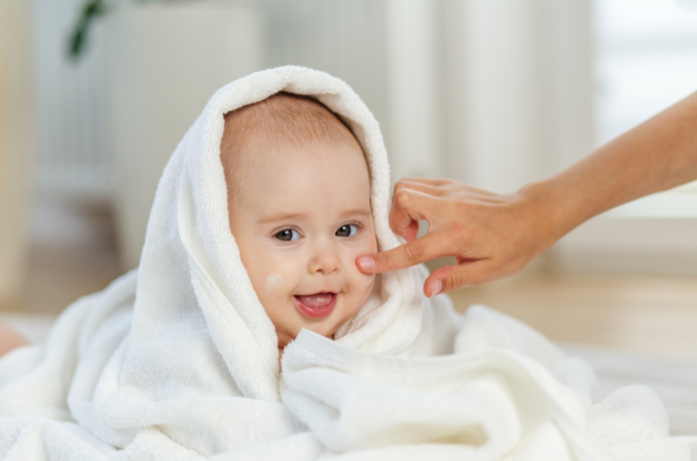
3. Moisturise only when required
Should your baby’s skin look or feel a little dry, probably a good moisturizer for baby will help restore its balance by giving it necessary moisture. Pick a product that will suit both your baby’s age and skin and then follow its label instructions.
Let’s take an example of parents seeking an ultra-light moisturizing product. They could first check the Boroplus FromMAA nourishing baby lotion and its present packaging to find out the composition of ingredients and what age the product is suitable for, as well as the directions. After all this, the parent will have a clearer idea of whether it is suitable for his or her baby.
How Should You Handle Bath Time and Moisturizing of Your Baby?
A baby should have gentle baths and be moisturized with the help of a comfortable water temperature, a gentle cleansing routine, and careful drying. It is possible that your baby will only need a full bath occasionally every two or three days. The frequency of baths and how thorough a bath is depend on the age and the health condition of the child; those will be the main factors to determine when and how to bathe or wash him or her.
1. Determine Bathing Frequency According to Your Baby
Bathing newborns two to three times a week would be a regular frequency, especially since other parts of the body like the face, the neck, the hands, and the diaper area, will need to be cleaned in the intervals. Bathing more frequently might be suitable in some cases, but frequent washing will likely result in the baby’s skin dehydration. You can use warm, not hot water and keep the surroundings a comfortable, warm place. Lay out all required towels, baby clothes, and a bath for the baby in advance.
You should never take your eyes off of or leave your baby alone in or beside water even for a short while.
2. The Right Choice of a Bath Cleanser
In most cases, water will be enough to wash off the baby’s body, but when you are faced with the baby’s dirty skin or residue, you can use a mild baby-friendly cleanser.
Should you consider getting a soap for bathtub use, first get to know the intended use and the current recommendations for using Boroplus FromMAA Gentle Baby Soap. Decide on a product based on whether it is suitable for your baby’s skin and what type of formulation it is; don’t be lured by the fragrance or the amount of suds it creates.
3. Apply a Moisturizer After Bath if Required
After bath time, gently pat the baby’s skin dry using an infant-grade towel, and ensure that even the skin between the legs (in the case of both genders) and skin around the joints are dry and free from water. If the baby’s skin is a bit dry touch-wise, then you may use a moisturizer appropriate for the baby as per its directions.
Vigorously rubbing dry is not recommended, and do not apply baby care products on the eyes or mouth area if the product is not specifically made for those areas.
What Should Your Baby’s Bedtime Skincare Routine Include?
Bedtime is an ideal time to reassure your little one, keeping them cozy without having to repeat the whole bathing ritual all over again. This evening routine can be brief, peaceful and really easy to get done.
1. Wash Your Baby’s Bottom Area During Diaper Change
If a diaper is wet or soiled, then it is important to change your baby’s diaper soon and clean up the area gently by using either good-quality baby wipes or a damp, softly wiping cloth. Before putting on a new fresh diaper, ensure the area is dry by using the patted or blotted dry method only.
If your little baby tends to be affected by diaper rash, consult with your health care provider to find out about the right kind of baby cream barrier. Do not feel you have to use every different kind of baby skincare product every time you change an diaper.
2. Stay Cool and Soothing
In the case that your baby’s skin is already very clean and dry there is normally no need for another bath or a big-time skincare session. Just dry skin in the very first place; a baby can be quite a moisture reservoir even after skin has been cleaned and dried.
Baby-care experts always agree that a routine skincare regimen is a part of sleep time but not the only one. The rest of the time, baby can be fed, cuddled and put to sleep following the safest recommendations.
What Does a One-Day Baby Skincare Routine Look Like?
Apart from all these things, here is a quick & simple overview for the parents to know what kind of baby skincare routine they need to have for their baby & how they can adapt it.
Morning: Do clean & moisturize the face and skin folds; with that, even change clothes, & for dry skin, apply moisturizer as well as cream if needed.
Bath time: Bathe your baby when appropriate, cleanse naturally, pat the skin instead of rubbing, & moisturize if necessary.
Bedtime: Before sleeping, don’t forget to check the diaper area; always change your baby’s clothes into clean sleepwear to maintain the soothing routine.
How Does Baby Skincare Change Between Morning, Bath Time and Night?
| Time | Main Focus | Is a product always needed? |
| Morning | Gentle freshen-up | Using water & a soft cloth is enough |
| Bath time | Proper cleansing & drying | Gentle baby soap or cleanser may help when needed |
| After bathing | Appropriate skin hydration | Do use moisturizer if needed |
| Bedtime | Diaper care & comfort | Use only those products that are appropriate to the specific need |
Frequently Asked Questions
1. Do you have to use lotion every day on newborn?
It may not be a good idea to do so on a daily basis if your baby’s skin is smooth and not too dry. Pick an appropriate age product and check with a pediatrician if you think you need help.
2. Does the baby have to be washed every day?
If your newborn seems to be able to handle frequent baths, then the frequency of baths can be increased, but, in most cases, newborns do not require a full bath every day. Consider the baby’s skin, age, healthcare recommendations, and dryness of her/his skin if there is excessive washing to account for.
3. Is it necessary to use soap every time the baby is being bathed?
No way. Most of the skin can be cleaned by water alone. Use a mild, baby-friendly cleanser if necessary and read the instructions on the product label.
4. At what point does a skincare routine suitable for a newborn begin?
Bath time and the use of clean clothes are part of the basic care and can even start before the baby leaves the hospital but keep it to the very minimum. Especially if you have a premature infant or a newborn with other types of health issues, you should get guidance from a medical specialist.
5. What is the reaction to a rash on a baby?
Discontinue using any recently added items that could irritate the child and if the rash persists or worsens, take the baby in for a medical check-up. Get prompt medical assistance in case of serious signs and symptoms such as trouble breathing or facial / lip swelling.
Final Words: Small Habits, Happier Skin
A good baby skincare routine is one that gently cares for your baby’s skin and doesn’t require too many different products or a rigid schedule. Simple cleansing and drying, a suitable moisturizer and regular diaper changes are generally all that you need to build a solid baseline for daily baby care.
When your baby gets older, your baby’s skin needs will also vary; take notice of those changes and modify your habits accordingly. Try one at a time, make product selections thoughtfully, and bear in mind that constant and mild care is much more important than sticking to an elaborate regimen.