By a Caring Mom at Infant Pamper
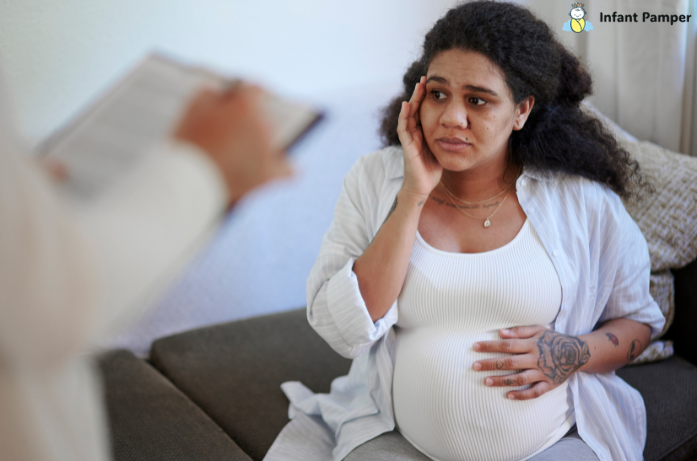
Pregnancy is a beautiful journey, but for many women, it can also feel scary and overwhelming. If you are dealing with a fear of pregnancy, you are not alone. Many women worry about childbirth, body changes, health problems, or becoming a mother. These feelings are more common than people talk about.
The good news is that fear and pregnancy anxiety can be managed with the right support, information, and self-care. Understanding your emotions is the first step toward feeling calmer and more confident.
What Is Fear of Pregnancy?
Fear of pregnancy means feeling anxious, stressed, or emotionally overwhelmed about becoming pregnant, giving birth, or raising a baby. Many women also experience similar emotions during early pregnancy symptoms. Some women feel nervous before getting pregnant, while others become anxious during pregnancy.
This fear can be mild for some women and intense for others. It may affect sleep, mood, relationships, and daily life.
Many women feel:
- Fear of labor pain
- Fear of medical complications
- Fear of miscarriage
- Fear of body changes
- Fear of parenting responsibilities
- Fear of losing independence
These worries are normal, especially for first-time moms. Fear of pregnancy can sometimes become very intense and overwhelming. According to research published by the National Library of Medicine, severe pregnancy fear can affect emotional well-being, relationships, and mental health during pregnancy.
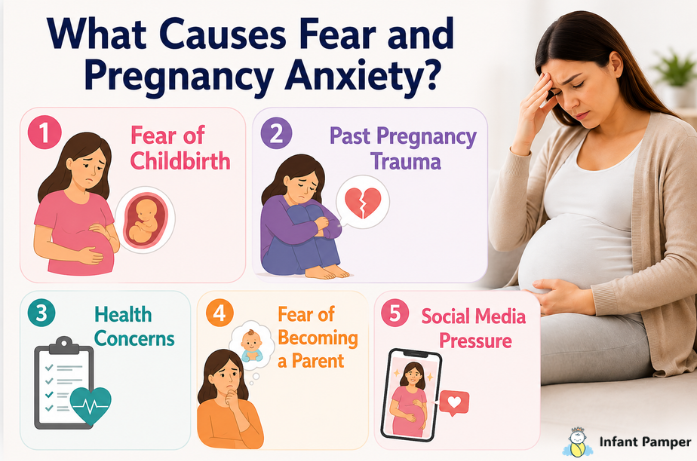
What Causes Fear and Pregnancy Anxiety?
There are many reasons why women experience fear and pregnancy anxiety. Sometimes one reason causes it, while other times several worries build up together.
1. Fear of Childbirth
One of the biggest fears women have is labor pain. Hearing scary birth stories or watching dramatic videos online can increase anxiety.
The truth is that every birth experience is different. Doctors, nurses, and modern pain management options help make childbirth safer and more manageable.
2. Past Pregnancy Trauma
Women who experienced miscarriage, infertility, difficult deliveries, or pregnancy complications may feel afraid of going through it again.
Past emotional pain can make future pregnancies feel stressful and uncertain.
3. Health Concerns
Pregnancy brings many physical and emotional changes. Some women worry about:
- High blood pressure
- Gestational diabetes
- Delivery complications
- Baby’s health
- Weight gain
These worries can increase stress during pregnancy.
4. Fear of Becoming a Parent
Many women quietly wonder: “Will I be a good mother?”
This fear is very common. Motherhood is a huge life change, and it is normal to feel nervous about new responsibilities.
5. Social Media Pressure
Social media often shows perfect pregnancies and happy moms all the time. This can make real moms feel like they are not doing enough.
Real motherhood is not perfect. It is about love, learning, patience, and care.
Signs of Fear Pregnancy Anxiety
Sometimes pregnancy anxiety becomes so normal that women do not realize how much it affects their emotions and daily life. Knowing the signs can help you understand your feelings better and seek support when needed.
Emotional Signs
Constant worrying is one of the most common signs of fear pregnancy anxiety. Many women keep thinking about the baby’s health, childbirth, or possible complications all day long.
Some women feel emotionally overwhelmed even with small situations. Mood swings, irritation, and sudden crying can also happen during this time.
Panic, racing thoughts, or feeling mentally exhausted may also appear when anxiety becomes stronger.
Physical Signs
Pregnancy anxiety can affect the body as well as the mind. Some women struggle with trouble sleeping because their thoughts never seem to slow down.
Headaches, fast heartbeat, muscle tension, and fatigue are also common physical symptoms linked to stress and anxiety.
In some cases, emotional stress may even cause nausea or stomach discomfort.
Behavioral Signs
Fear and pregnancy anxiety can also change daily behavior. Some women avoid doctor appointments because they are scared of hearing bad news.
Others constantly search symptoms online, which often increases anxiety instead of reducing it. Avoiding pregnancy conversations, needing constant reassurance, or feeling scared to make simple decisions can also be signs of emotional stress.
If these feelings begin affecting your daily life, relationships, or emotional well-being, speaking with a doctor or therapist can be very helpful.
Is It Normal to Fear Pregnancy?
Yes, it is completely normal.
Many women feel both excited and scared at the same time. Pregnancy changes your body, emotions, routine, and future. A balanced iron-rich diet can help support energy levels and reduce fatigue during this time. Feeling nervous does not make you a bad mother.
You can feel:
- Happy and anxious
- Excited and worried
- Hopeful and emotional
All these feelings can exist together.
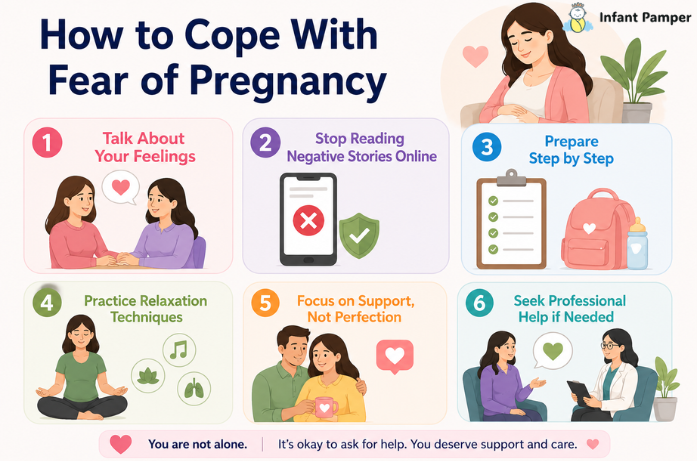
How to Cope With Fear of Pregnancy
If fear of pregnancy starts affecting your daily life, speaking with a healthcare professional can help. According to ACOG (American College of Obstetricians and Gynecologists), therapy, emotional support, and proper pregnancy education can help women manage severe childbirth fears and anxiety more confidently.
1. Talk About Your Feelings
Keeping your fears inside can make anxiety feel even stronger. Talking openly with someone you trust can help you feel lighter and more supported.
You can speak with your partner, a close friend, your doctor, another mom, or a therapist. Sometimes simply sharing your thoughts helps reduce stress and emotional pressure.
2. Stop Reading Negative Stories Online
Reading too many scary pregnancy stories online can increase fear pregnancy thoughts. Many internet stories focus on worst-case situations that may never happen to you.
Try to avoid negative birth videos and constant symptom searching. Instead, focus on trusted medical advice and positive support.
3. Prepare Step by Step
Preparation can help you feel calmer and more confident during pregnancy. Learning little by little makes things feel less overwhelming.
You can attend prenatal classes, learn about labor, ask questions during doctor visits, and prepare your hospital bag early. Remember, you do not need to know everything at once.
4. Practice Relaxation Techniques
Simple relaxation activities can help calm your mind and body during pregnancy anxiety. Supporting your routine with a healthy breakfast can also improve energy and emotional balance.
Deep breathing, short walks, prenatal yoga, meditation, calming music, and journaling can all help reduce stress. Even a few peaceful minutes each day can improve your emotional well-being.
5. Focus on Support, Not Perfection
No mother is perfect, and you do not need to be perfect either. Babies need love, care, and emotional connection more than perfection.
Allow yourself to accept help from family and friends when needed. Support can make pregnancy feel less stressful and more manageable.
6. Seek Professional Help if Needed
If fear of pregnancy becomes intense or starts affecting your daily life, professional support can help.
A therapist can help you understand your fears, manage anxiety, and build healthy coping skills. Asking for help is a sign of strength, not weakness.
What Is Tokophobia?
Tokophobia is an extreme fear of pregnancy or childbirth. Women with tokophobia may avoid pregnancy completely or experience severe anxiety during pregnancy. The Cleveland Clinic explains that this condition is more common than many people realize and can often improve with proper emotional and medical support.
Women with tokophobia may:
- Avoid pregnancy completely
- Feel panic about childbirth
- Experience severe anxiety during pregnancy
- Fear medical procedures intensely
This condition is real and treatable. Emotional and medical support can make a huge difference.
Small Daily Habits That Help Reduce Anxiety
Simple daily habits can improve emotional well-being during pregnancy.
1. Create a Calm Morning Routine
Start your day slowly instead of checking stressful content online.
2. Write Your Thoughts in a Journal
Journaling can help release emotional stress and organize your thoughts.
3. Celebrate Small Wins
Every healthy meal, doctor visit, and moment of rest matters.
4. Spend Time Around Positive People
Supportive friends and family can make a big emotional difference.
5. Rest Without Feeling Guilty
Pregnancy is physically and emotionally tiring. Rest is part of self-care.
Conclusion
The fear of pregnancy is more common than many women realize. While pregnancy can bring happiness, it can also bring anxiety, uncertainty, and emotional stress. These feelings are normal, and you should never feel ashamed of them.
With the right support, healthy coping methods, and emotional care, pregnancy fears can become easier to manage. Talking openly, preparing gradually, and caring for your mental health can help you feel stronger and more confident.
At Infant Pamper, we believe every mom deserves love, reassurance, and support during every stage of motherhood.
And if you are feeling afraid today, remember this:
You are stronger than your fears, and you do not have to go through this journey alone.
Explore more pregnancy and parenting tips at Infant Pamper to support your motherhood journey with confidence and care.
FAQs About Fear of Pregnancy
1. Is fear of pregnancy normal?
Yes, many women feel scared or anxious about pregnancy, childbirth, and becoming a mother. These feelings are very common.
2. What causes fear and pregnancy anxiety?
Fear and pregnancy anxiety can happen because of childbirth worries, health concerns, past trauma, hormonal changes, or fear of parenting responsibilities.
3. Can pregnancy anxiety affect mental health?
Yes, severe anxiety during pregnancy can affect emotional well-being, sleep, mood, and daily life if not managed properly.
4. How can I reduce fear pregnancy thoughts?
Talking to someone you trust, avoiding negative online stories, practicing relaxation techniques, and preparing step by step can help reduce anxiety.
5. When should I seek professional help for pregnancy fear?
You should seek help if your fear of pregnancy causes panic attacks, constant stress, sleep problems, or affects your daily routine and relationships.
Disclaimer: This article is for informational and educational purposes only and should not replace professional medical advice, diagnosis, or treatment. Always consult your doctor or healthcare provider for pregnancy-related concerns.