The Best Fruits for Baby Led Weaning make starting solids both exciting and stress-free for parents and babies alike. Naturally soft, sweet, and nutrient-rich, fruits are often the easiest first foods for BLW, helping babies explore textures, develop coordination, and build confidence with self-feeding. This guide walks you through the best fruits to start with, how to prepare them safely, and why they support healthy growth, so you can enjoy this milestone with confidence and joy.
The goal isn’t just feeding; it’s nurturing confidence, independence, and exploration. And fruit is one of the easiest, most enjoyable places to begin.
The goal isn’t just feeding; it’s nurturing confidence, independence, and exploration. Before offering finger foods, it’s important to understand the signs your baby is ready for solids and baby-led weaning.
Why Fruits Are the Best Place to Start With Baby-Led Weaning
Fruits are naturally sweet, soft (or fluently softened), nutrient-rich, and full of fiber. Babies artificially enjoy fruit, which makes early feeding gestures more positive. When following a BLW approach, you want foods that babies can safely gum, hold in their fists, and sluggishly explore without gratuitous choking pitfalls.
Parents frequently begin with fruits because they bear minimal medication and offer gentle flavors. They also pair beautifully with other early foods, like Baby Led Weaning Banana slices with mashed oats, or a small side of Baby Led Weaning Sweet Potato wedges to balance textures and flavors. Starting with fruits also gives babies a gentle preface to biting movements long before they develop full oral skills.
Exploration from pediatric nutrition sources (similar to healthychildren.org and nutrition.gov) notes that fruits are salutary for digestion, immunity, and overall growth in babies. And when offered in their whole- food form rather than purees, babies develop less independence and hand–eye coordination.
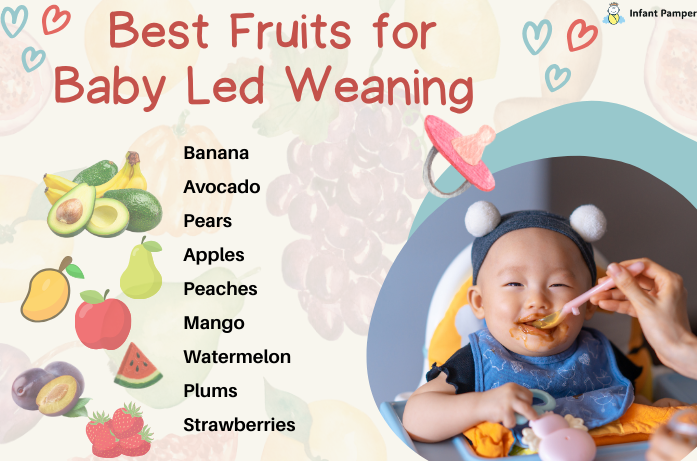
Best Fruits for Baby Led Weaning (Detailed Guide + How to Prepare Each)
Below are the most trusted, nutritional, and development-friendly fruits to introduce during BLW, along with medication tips to help you avoid the most common safety miscalculations.
Baby Led Weaning Banana: A Perfect First Food
Bananas are the gold standard for BLW because they’re naturally soft, easy to digest, and packed with potassium and vitamin B6. Babies love their mild agreeableness, and parents love that they bear zero cuisine. For 6- month- pasts, large banana strips or halves with a bit of peel left on the bottom make gripping easier.
Bananas are also extremely protein-rich. Some mothers blend mashed banana into Baby Led Weaning Flapjacks to produce a soft, nutrient-rich cutlet food that babies can fluently hold. As babies grow and ameliorate their pincer grasp, lower banana pieces can be introduced safely.
Avocado: Soft, Healthy Fat and Messy Fun
Avocado is another cherished first food for BLW parents because it offers healthy fats that support brain development. Its smooth and creamy texture makes it easy to feed, for babies who don’t yet have teeth.
Serve avocado in long strips or gently mash it and shape it into small logs for gripping. However, rolling the pieces in crushed oats or child cereal can give it a little further texture, if it becomes too textured.
Pears: Gentle on Tummy and Naturally Sweet
Perfect for youthful eaters, pears are excellent in the first month of BLW. They can be fumed until soft or served veritably ripe and tender. The mild agreeableness encourages babies to take interest in tone- feeding, and pears pair well with other foods, similar to soft-cooked carrots from your Baby Led Weaning Carrots menu.
Pears are great for digestion, making them a comforting choice when babies become constipated during the early solids stage. If constipation continues, you can also learn how to make prune puree for baby, another gentle option that may help support healthy digestion.
Apples: Nutritious When Softened Properly
Apples must be softened before serving to help prevent choking. Steamed or baked apple slices are an ideal texture for beginning affluents. Once softened, apples come sweet, sweet, and easy for babies to mash with their epoxies.
I frequently baked apples with a sprinkle of cinnamon, a warm, cozy flavor that babies unexpectedly adore, indeed, when it’s their first time. Soft apples also go well alongside vegetables like Baby Led Weaning Broccoli because the natural agreeableness encourages reticent eaters.
Peaches: Juicy, Soft, and Seasonal Bliss
Ripe peaches are incredibly soft and juicy. They’re awful for summertime BLW starters and offer a stimulating flavor babies love. For the early stages, cut peaches into wedges and peel the skin if the texture bothers your baby.
Peaches also support hydration because of their high water content, making them a gentle fruit for warm climates.
Mango: Sweet, Creamy, and Baby-Friendly
Mango is one of the easiest fruits for babies to eat. It melts in the mouth, and its vibrant flavor keeps babies engaged. For BLW, slice the mango into long strips or offer it with a bit of peel attached so babies can get a good grip.
Parents love mango because it infrequently causes constipation. It dyads beautifully with Easy Baby Led Weaning reflections, similar to a small side of soft, tattered funk or well- cooked sweet potato.
Watermelon: Perfect for Hydration and Sensory Play
Watermelon is soft enough for babies to bite and perfect for hotter months. Always remove seeds and serve the fruit in thick strips rather than cells, as cells may pose a choking hazard.
The juicy texture makes watermelon an awful sensitive experience. Babies get to explore taste, temperature, and humidity all at the same time.
Plums: Tender, Colorful, and Nutrient-Dense
Ripe plums offer a delightful contrast in flavor and texture. They’re soft when ripe and easy to cut into wedges. You can leave the skin on for grip, as it typically softens with moisture.
Plums are full of antioxidants, which support immunity, something every parent cares deeply about in their baby’s first year.
Strawberries: A Safe Early Allergen Food
Strawberries may look intimidating, but they’re actually safe for BLW from six months when served whole( if soft) or sliced vertically. Introducing strawberries beforehand can help babies tolerate them more as they grow.
Strawberries also showcase another important point BLW encourages variety, and offering different textures, like Baby Led Weaning Strawberries alongside savory foods like sweet potato, helps expand a baby’s palate.
How to Prepare Fruits Safely for BLW
The secret to safe BLW is proper medication. Babies at six months can’t handle small gobbets, hard textures, or slippery pieces that fluently break apart.
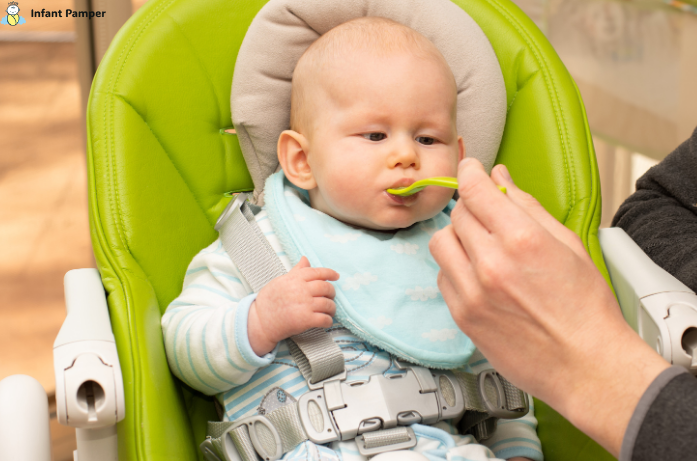
Always cut fruits into strips or wedges at least the range of two adult fingers so babies can grasp and bite with control. Hard fruits must always be fumed or ignited before serving. Offer fruits to the baby seated completely upright and stay present at all times.
Over time, as your baby develops the pincer grasp, you can gradually introduce lower pieces as shown on any well- designed Baby Led Weaning Food Chart.
Pairing Fruits With Other First Foods in BLW
The beauty of BLW is that it encourages mixing flavors and textures. Fruits pair beautifully with other beginner foods, helping babies explore whole meals rather than single tastes.
For example, pairing a ripe banana with Sweet Potato wedges introduces both natural agreeableness and earthy uproariousness. Mixing soft fruits with simple vegetable mouthfuls, like Baby Led Weaning Carrots or Baby Led Weaning Broccoli, creates nutritional, balanced, and Easy Baby Led Weaning refectives that bear little medication.
Parents can also introduce simple fashions like Baby Led Weaning Flapjacks made with mashed banana and egg, which offer a soft, bendable texture and complement fresh fruit slices impeccably.
Best Ways to Reduce Choking Risk During BLW
Every parent feels nervous in the morning, and that’s fully normal. The Best ways to keep your baby safe are to exercise proper medication, follow readiness signs, and stay completely present at the table.
Soft fruits, firm vegetables, and foods that naturally squish between your fingers are the safest for newcomers. Avoid offering grapes, blueberries, and cherries whole; always modify them by encamping or smashing.
Experts from National Institutes of Health and Cleveland Clinic emphasize sitting posture, appropriate food size, and constant supervision, non-negotiable during every meal.
Frequently Asked Questions
Q.1 Which fruit is best for babies starting BLW?
Banana is generally the easiest fruit for newcomers. It’s soft, requires no cooking, and helps babies learn how to hold food. Avocado is another perfect first option.
Q.2 Can I mix fruit with other BLW foods?
Absolutely. Fruits pair wonderfully with nutrient- thick options like Baby Led Weaning Sweet Potato, steamed broccoli, flapjacks, oats, and soft proteins.
Q.3 Is it safe to give strawberries as a first fruit?
Yes. Strawberries are safe forsix months when servedproperly. Offering common allergens beforehand may reduce perceptivity later.
Q.4 Do fruits replace meals?
Not at all. Fruits should be part of balanced Foods for Baby Led Weaning, alongside vegetables, grains, and proteins. For around six months, food is for disquisition, not nutrition relief.
Final Thoughts
Introducing fruits through baby- led weaning is not just safe, it’s empowering, fun, and developmentally salutary. Babies learn to bite, explore textures, and appreciate natural flavors. Parents learn tolerance, creativity, and the joy of watching their little one become more independent day by day.
The Best Fruits for Baby Led Weaning help babies develop confidence and curiosity, giving them the foundation for a healthy relationship with whole foods. And by pairing fruits with nutritional vegetables, flapjacks, sweet potato, broccoli, and soft proteins, your baby gets both succulent refills and well- rounded nutrition.
Want more gentle parenting tips, baby-led weaning guides, sleep advice, and real-mom support? Subscribe to Infant Pamper and get fresh, helpful content delivered straight to your inbox made with love for you and your little one.