By a Caring Mom at Infant Pamper
The first few days after ovulation can be a truly fascinating puzzle. You begin to feel every little movement, every little pain, and you even think that a moment of fatigue or a sudden distaste for your favorite coffee could be signs of new life. It’s a mix of emotions that includes hope, curiosity, and caution, and your mind keeps asking, “Could this be the one?”
Although it’s too early to get tested, your body may already be preparing for something extraordinary. In the next few minutes, we’ll explore what’s really going on inside you during these first 72 hours of pregnancy symptoms the subtle sensations you might feel, when it’s best to get tested, and gentle ways to care for yourself while you wait. By understanding what’s normal and what’s not, you can feel a little more calm and connected to this amazing process unfolding in your body.
What Happens After the Fertilisation?
Fertilization occurs in the fallopian tube when a sperm comes into contact with an egg. Within about 24 hours, the zygote begins cell division. By the time you’re three days pregnant, the cluster of cells, now called a morula, is already traveling through the tube to the uterus. However, implantation usually occurs only about 6 to 10 days after ovulation, which is why a pregnancy test may not show a positive result before this time, nor may there be any signs of implantation around this time.
Still, hormones like progesterone and estrogen may already be affecting your body, slowing down digestion a bit, making you sleepier, and altering cervical mucus. These mild changes explain why some people notice “early pregnancy symptoms” within a week or even the first three days, while others may feel nothing at all (which is also perfectly normal).
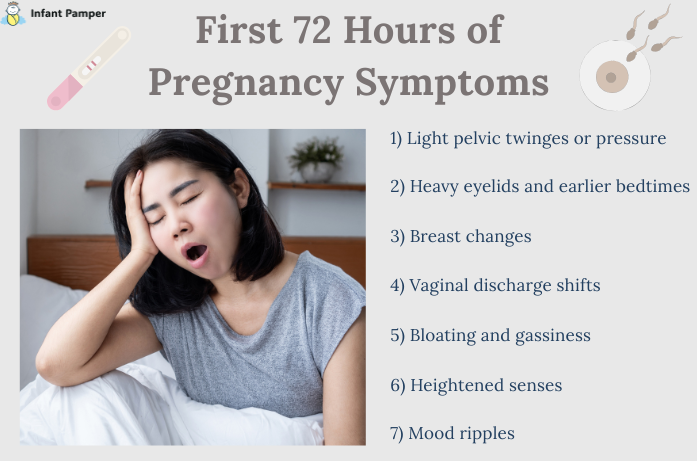
The First 72 Hours of Pregnancy Symptoms: Small, Subtle, and Easy to Miss
Below are some sensations you may experience. None of these automatically confirm pregnancy, and all of them could be due to PMS or normal hormonal changes. he American Pregnancy Association also emphasizes that early signs vary widely and aren’t diagnostic on their own.
1) Light pelvic twinges or pressure
Some people describe faint pulling, pinching, or heaviness low in the abdomen, often labeled online as first 72 hours of pregnancy symptoms cramps. At this stage, these feelings are more likely related to ovulation recovery, increased blood flow, or digestive changes than implantation itself.
2) Heavy eyelids and earlier bedtimes
Feeling unusually sleepy? Progesterone can make you yawn at 3 p.m. Fatigue is among the most commonly reported early pregnancy signs after conception, even before a missed period, and is a normal pregnancy symptom.
3) Breast changes
A sense of fullness, tenderness at the sides, or tingling around the nipples can show up as 3 days pregnant symptoms. Hormones are priming glandular tissue long before a test turns positive.
4) Vaginal discharge shifts
You may notice more vaginal moisture or a change in texture creamy, milky, or egg-white like. These changes are usually normal, but if the discharge has a strong odor, unusual color, or causes itching or burning, consult a healthcare professional.
5) Bloating and gassiness
Progesterone slows gut motility, which can feel like mild cramping or fullness (often mistaken for first 72 hours of pregnancy symptoms cramps). This can also overlap with normal PMS.
6) Heightened senses
Sudden aversions to coffee, perfume, or leftovers in the fridge? A quirky, early (and sometimes amusing) hidden pregnancy sign is sensitivity to smells or taste changes.
7) Mood ripples
Irritable one minute and crying the next? Hormonal fluctuations can blur the line between PMS and early pregnancy symptoms. Be kind to yourself; your body is going through a lot.
Can You Feel Pregnancy Symptoms in the First 72 Hours?
sometimes, but it’s not reliable. Biologically, the hormone detected by home tests, human chorionic gonadotropin (hCG), increases after the embryo attaches to the uterine lining. Since this usually occurs about 6-10 days after ovulation, implantation symptoms that occur 72 hours after conception are unlikely to be actual implantation.
What you’re feeling is likely the systemic effects of progesterone (sleepiness, bloating) or increased body awareness during the two-week wait, For a clear overview of early signs and timelines, see this guide from Pregnancy, Birth and Baby.
When should you take a pregnancy test?
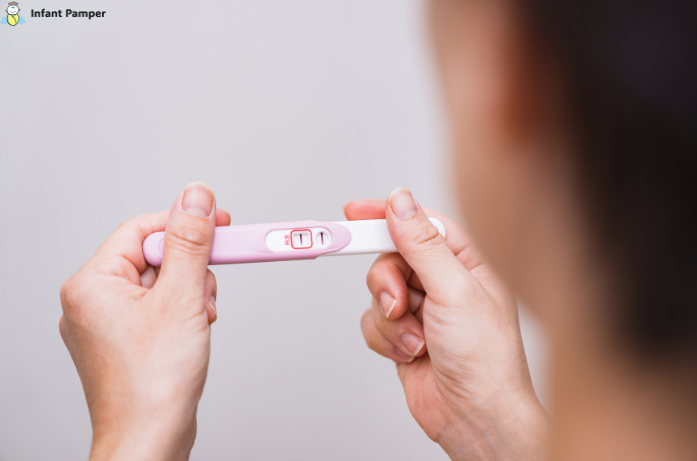
It’s best to wait until after your missed period to take a pregnancy test. During the first 72 hours after conception, your body doesn’t produce enough hCG hormone for the test to detect it. Implantation when hCG begins to rise usually occurs about 6–10 days after ovulation. Learning about chemical pregnancy can also help you understand what may happen during the earliest stages of pregnancy.
According to the Cleveland Clinic, testing too early can lead to a false negative, so for reliable results, it’s best to test about 10–14 days after ovulation or around your expected period. If you’re unsure, a blood test by your doctor can confirm pregnancy a little earlier.
What to do while you wait: simple, caring steps
1) Prioritize rest and hydration. If fatigue is tapping you on the shoulder, honor it.
2) Nourish gently. Lean into protein, leafy greens, whole grains, and healthy fats.
3) Start (or continue) folic acid. Many clinicians advise 400–800 mcg daily when trying to conceive or as soon as pregnancy is suspected.
4) Skip alcohol and smoking. These can affect early cell development even before you see two lines.
5) Track, don’t obsess. A short notes app or journal can help you notice patterns in first 72 hours of pregnancy symptoms before missed period, without spiraling into worry.
Discharge, cramps, and what’s “normal”
Discharge: Discharge that changes from clear to milky is common and usually indicates good health. If there is a smell, itching, green/yellow color, or pain, it’s time to see a doctor. Looking for first 72 hours of pregnancy symptoms discharge pictures can be enlightening but don’t rely on online images for diagnosis.
Cramps: Some discomfort and small size can be normal with twins. However, if you experience sharp, one-sided pain, increasing pain, or bleeding along with the pain, you should call your doctor immediately. This will help rule out problems like an ectopic pregnancy, an ovarian cyst, or an infection.
The emotional side: balancing hope and patience
The two-week wait is full of contradictions, you may feel everything and nothing at once. It’s normal to find yourself googling 48 hours after conception symptoms at midnight, then talking yourself down by morning. Try small anchors: a walk around the block, a warm bath, a five-minute breathing exercise, texting a trusted friend. If you find worry is stealing your peace, consider jotting down a “worry window”, ten minutes a day to let the thoughts out, then gently redirect.
Final Thought
The first 72 hours of pregnancy symptoms can feel like whispers, easy to miss, easy to misread. Whether you notice subtle changes or nothing at all, your body is working beautifully in the background. Be patient with yourself. Hold space for hope. And remember: there’s no “right” way to feel right now.
If you’re curious to learn more about early pregnancy symptoms, visit our guide on Early Pregnancy Symptoms Every Woman Should Know for a deeper dive into this fascinating phase of pregnancy.
At Infant Pamper, we’re here to guide, comfort, and cheer you on, from the quiet beginning to every milestone that follows.
FAQs
Q.1 Can symptoms appear within 72 hours?
They can, but they’re not proof of pregnancy. These early sensations often overlap with PMS and normal hormone shifts.
Q.2 What counts as “3 days pregnant symptoms”?
You might notice subtle breast fullness, fatigue, or discharge changes. None are definitive until a test confirms.
Q.3 Are there reliable early pregnancy signs after conception?
Fatigue, mild cramping, and discharge changes are commonly reported, but implantation and detectable hCG come later.
Q.4 What about implantation symptoms 72 hours after conception?
Unlikely. Implantation tends to occur closer to days 6–10 post-ovulation.
Q.5 When should I test?
Best accuracy is on or after your missed period (about 10–14 days post-ovulation).
Medical disclaimer
This article is for educational purposes only and does not replace personalized medical advice, diagnosis, or treatment. Always consult your physician or qualified healthcare provider with questions about symptoms, medications, or your health.