By a fellow mama who’s learned the magic of soft hands and quiet moments
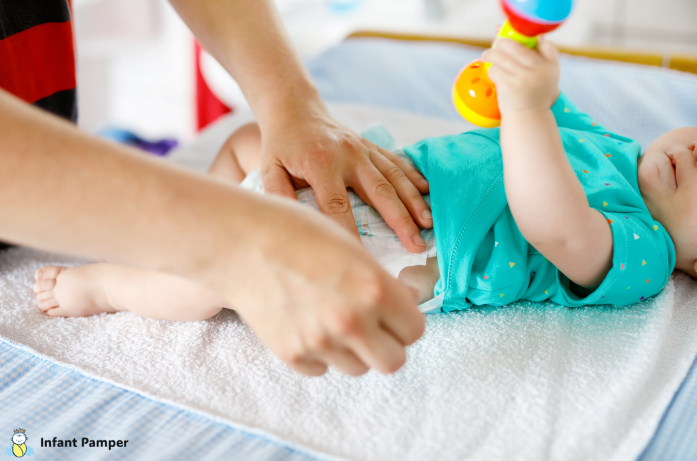
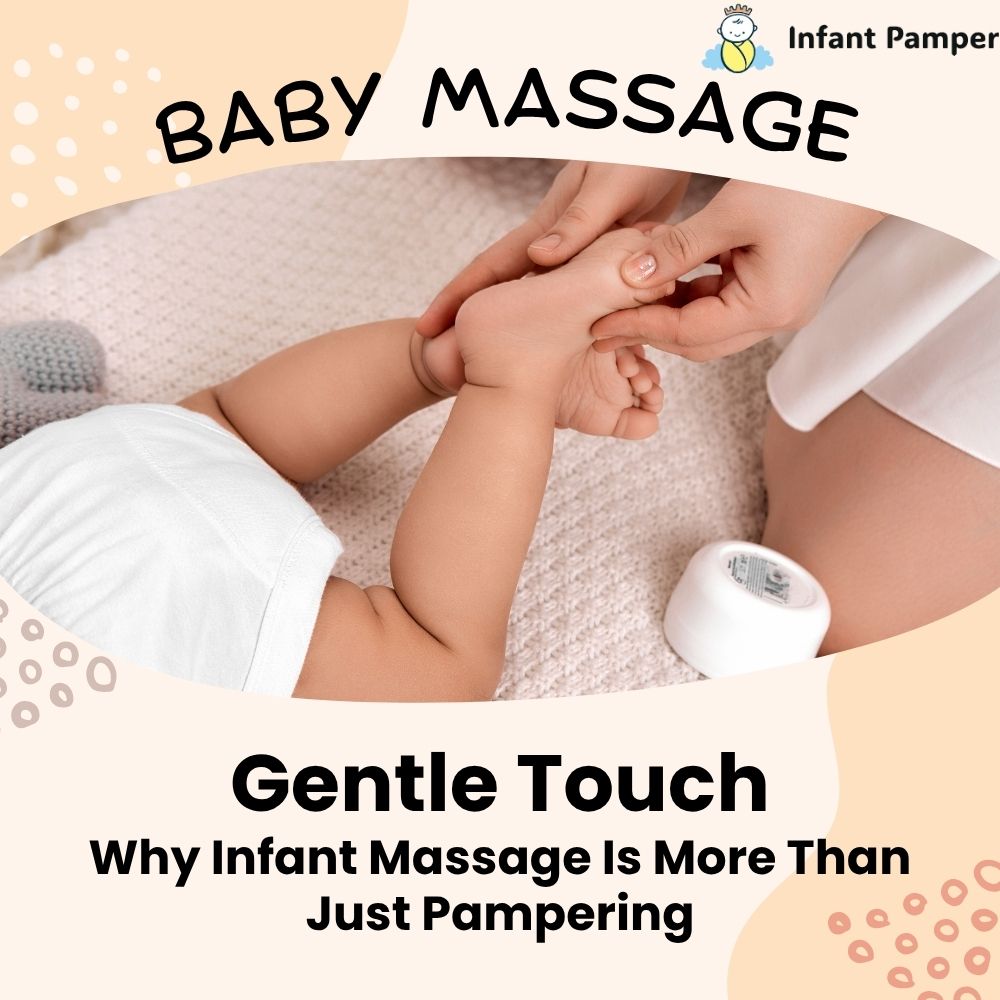
As a parent, there’s something magical about the quiet moments spent with your baby, feeling their soft skin under your hands. Those tiny smiles and relaxed sighs during an infant massage create a special bond that goes far beyond pampering. But did you know that infant massage can be deeply beneficial for your baby’s development, health, and sleep? It’s an age-old practice that’s backed by science and cultural traditions across the globe.
Let’s explore why infant massage is much more than just a soothing ritual, it’s a powerful tool for promoting your baby’s physical and emotional well-being.
Why Gentle Touch Matters: The Science Behind Infant Massage
Touch is the first sense babies develop in the womb. By the time they are born, they already recognize the comfort of human touch. Gentle infant massage techniques can have numerous health benefits for your baby. Here’s why infant massage for sleep and overall well-being are so important:
- Regulation of breathing and circulation: Infant massage can help improve your baby’s circulation, reduce stress levels, and even help regulate their breathing patterns.
- Support for preterm infants: Research shows that preterm babies who receive massage therapy tend to gain weight faster, have stronger vagal nerve activity, and experience fewer hospital stays.
- Hormonal balance: Infant massage has been shown to decrease cortisol (the stress hormone) and increase the production of growth hormones, supporting your baby’s development.
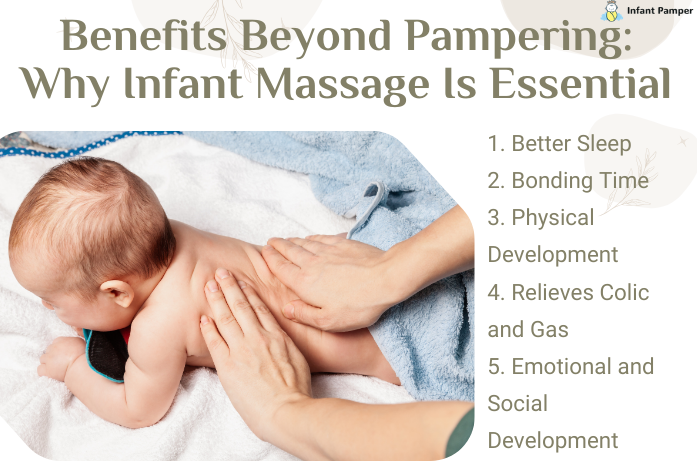
Benefits Beyond Pampering: Why Infant Massage Is Essential
1. Better Sleep
One of the most notable benefits of infant massage is its impact on sleep. Many parents incorporate infant massage for sleep into their bedtime routine. A calming massage before bed can signal to your baby’s body that it’s time to unwind, leading to longer and more restful sleep.
Massage encourages the production of melatonin, a hormone that helps regulate sleep, and it also reduces discomforts like gas or tummy aches that can interrupt your baby’s rest.
2. Bonding Time
An infant massage is not only great for your baby but also for you as a parent. It deepens the emotional connection and strengthens the bond between you and your little one. Whether it’s you or your partner performing the massage, it’s a wonderful way for both parents to be involved in a nurturing, intimate way.
Massage also fosters a sense of safety and trust, providing your baby with the reassurance they need to feel secure in the world around them.
3. Physical Development and Muscle Strengthening
Gentle massage stimulates your baby’s muscles and helps to improve circulation, which is important for muscle growth and development. As you gently massage your baby’s legs, arms, and tummy, it helps increase their range of motion, strengthens muscles, and improves flexibility.
The gentle pressure also supports the release of growth hormones, which are essential for your baby’s physical development. This type of touch encourages babies to stretch and move, aiding in motor skill development as they grow.
4. Relieves Colic and Gas
Colic can be a challenging experience for both babies and parents. However, gentle massage techniques can help ease the discomfort of colic and reduce trapped gas. Massaging your baby’s tummy in a clockwise motion can stimulate digestion and release any trapped air, providing relief.
For babies with colic, the massage can also help soothe them, calming both their body and mind. A little bit of quiet time with you and a gentle touch can make a world of difference.
5. Emotional and Social Development
The soothing effects of infant massage contribute to emotional security. Babies who experience gentle, nurturing touch are more likely to grow into emotionally healthy children. The consistent physical contact provides them with reassurance, helps regulate emotions, and fosters a sense of well-being.
How Infant Massage Benefits Sleep: The Link Between Touch and Restful Nights
Many parents have turned to infant massage for sleep to help their little ones settle into a bedtime routine. Research supports the idea that massage not only aids in relaxation but also directly improves sleep quality. Here’s how:
Massage and the Sleep Cycle
A calming infant massage helps to trigger the natural relaxation response in your baby’s body. The rhythmic motions of the massage soothe the nervous system and release tension in your baby’s muscles, helping them transition into a more relaxed state. This naturally prepares them for a peaceful sleep cycle.
Relaxing the Nervous System
Massage helps balance the autonomic nervous system, which controls the fight or flight response. A calm nervous system promotes relaxation and helps regulate the release of sleep hormones, making it easier for your baby to fall asleep and stay asleep.
Creating a Sleep Routine
Incorporating a consistent bedtime routine that includes infant massage can provide a comforting signal to your baby that it’s time to wind down. Over time, they will associate massage with relaxation and sleep, leading to a smoother transition into their nightly rest.
Infant Massage Across Cultures: A Global Tradition
Infant massage isn’t just a modern trend, it’s a time-honored tradition in cultures around the world. Different societies have embraced the healing and soothing benefits of touch for centuries:
India: Here, infant massage is a cherished tradition passed down by grandmothers. Using warm mustard or coconut oil, parents massage their babies to promote muscle strength, relaxation, and better sleep.
Sweden: In Sweden, infant massage is commonly taught in early parenting classes. Swedish parents emphasize gentle, baby-led strokes that focus on establishing a calm connection with their newborn.
Nepal: Traditional infant massage in Nepal involves firm stretching to strengthen bones. However, modern techniques suggest using gentler methods to avoid any undue stress on the baby.
These cultural practices demonstrate the universal importance of touch in infant care, proving that infant massage for sleep and development is a practice shared across the globe.
How to Safely Massage Your Newborn: A Step-by-Step Guide
If you’re new to infant massage, you may be wondering how to begin. Here’s a simple step-by-step guide to get you started:
1. Create a Calm Environment
Choose a warm, quiet room where you and your baby can relax without distractions. Soft lighting and calming music can help set the mood.
2. Choose the Right Oils
Select a natural, baby-safe oil like coconut or almond oil. Always patch-test the oil on a small area of your baby’s skin to ensure there are no allergic reactions.
3. Start with the Legs
Begin with your baby’s legs, as this area is less sensitive. Gently rub the oil between your hands and then softly massage the legs in a rhythmic, downward motion.
4. Move to the Tummy, Chest, and Arms
Slowly work your way to your baby’s tummy and chest, following the natural contours of their body. Use gentle strokes, paying attention to their cues to see if they enjoy the touch.
5. Watch Baby’s Reactions
Always observe your baby’s reactions. If they seem uncomfortable or fuss, stop and try again later. Infant massage should never feel forced or rushed.
6. Talk or Sing
Your baby’s hearing is developing rapidly. Speaking or singing to them during the massage helps reassure them and creates a loving connection.
Safety Tips for Infant Massage
While infant massage can be incredibly beneficial, there are a few safety tips to keep in mind:
Wait after feeding: Don’t massage your baby right after a meal. Wait at least 45 minutes to avoid discomfort.
Avoid pressure: Always use light pressure, as babies’ muscles and skin are delicate. The goal is to provide comfort, not to apply force.
Consult your pediatrician: If your baby has any health concerns, it’s always a good idea to consult your pediatrician before starting infant massage.
Choose the right oils: Stick to baby-safe oils, and always avoid anything that could irritate their sensitive skin.
Conclusion: The Power of Touch in Your Baby’s Development
Incorporating infant massage into your routine offers benefits that go far beyond relaxation. From enhancing sleep to improving physical development and emotional security, infant massage is a powerful tool for promoting your baby’s overall well-being. Whether you use it as part of your bedtime routine or simply to bond with your little one, you’re fostering a sense of comfort, love, and security that will stay with them throughout their lives.
Ready to try it yourself? Start with small, gentle strokes, and enjoy the precious connection that comes with every moment.
Want more expert parenting tips and baby care advice? Visit Infant Pamper for more guides on fostering your baby’s health, sleep, and development!
FAQ
Q1: When can I start massaging my baby?
It’s generally recommended to start after the six-week check-up or with pediatrician approval.
Q2: How often should I massage my baby?
You can massage your baby daily or 2–3 times a week, depending on what works best for you and your baby.
Q3: Which oil is best for baby massage?
Natural oils like coconut or almond oil are ideal for baby massage. Always patch-test before full use.
Q4: Can infant massage help my baby sleep better?
Yes! Infant massage for sleep is a great way to help your baby relax and settle into a peaceful bedtime routine.
Q5: What should I do if my baby cries during the massage?
Stop the massage and comfort your baby. Never force them to endure a massage if they are upset.