As a caring mom at Infant Pamper,
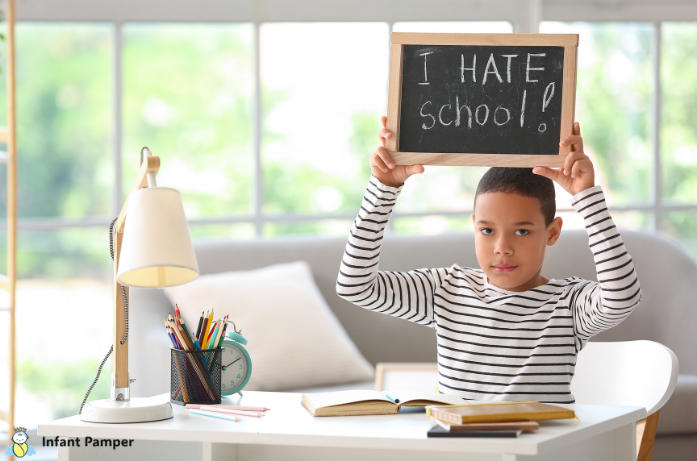
I know how upsetting it feels when your child says they hate school. Your heart instantly feels heavy. You may wonder if your child is being bullied, struggling in class, feeling lonely, or simply going through a difficult phase.
Many parents search for answers about why do kids hate school because they want real help and reassurance. The truth is, most children do not actually hate learning. What they usually dislike is the stress, pressure, fear, or uncomfortable emotions connected to school.
The good news is that with patience, gentle support, and understanding, children can slowly begin feeling happier, safer, and more confident about school again.
Why Do Kids Hate School?
Kids may hate school because of anxiety, bullying, academic pressure, learning struggles, loneliness, fear of failure, or emotional overwhelm. Sometimes children cannot clearly explain what feels wrong, so they simply say they hate school.
As parents, the first step is not panic or punishment. The most important thing is to listen, observe, and understand what may be happening beneath the surface.
Common Reasons Why Kids Dislike School
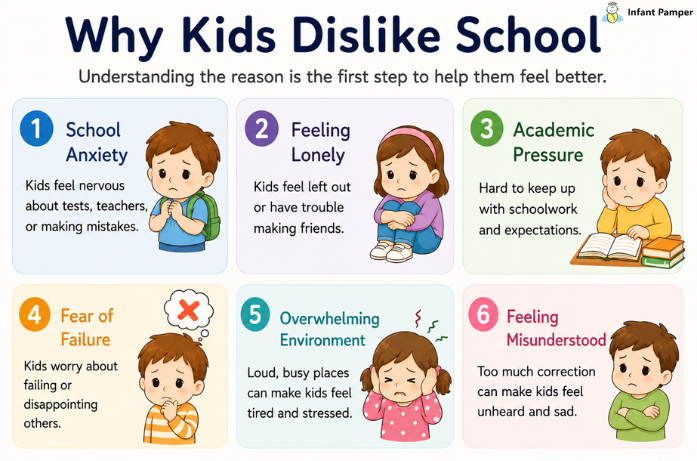
Every child is different, but there are some very common reasons why kids dislike school. Understanding these reasons can help parents support their children in a calmer and more effective way.
1. School Anxiety in Kids
School anxiety in kids is very common. Some children feel nervous about tests, teachers, speaking in class, or making mistakes. Others may worry about fitting in or being away from home.
Instead of explaining their anxiety, children may cry before school, complain about stomach aches, refuse to get ready, or ask to stay home often. These feelings are real and should be taken seriously.
How Parents Can Help
Stay calm and supportive when your child feels anxious. Let them know you understand school feels difficult sometimes.
Simple things like preparing school items the night before, keeping mornings peaceful, and following a routine can help children feel safer and more confident.
2. Your Child May Feel Lonely at School
Sometimes children dislike school because they feel lonely or left out. Friendships are very important during childhood, and social struggles can deeply affect confidence.
A child who feels lonely may stop talking about friends, avoid school events, seem sad after school, or become unusually quiet.
What Parents Can Do
Avoid forcing conversations right after school. Children often open up more during calm moments like bedtime, walks, or car rides.
Ask gentle questions about their day and listen without judgment. If bullying is happening, calmly speak with teachers and reassure your child that they are supported.
3. Academic Pressure Can Make School Stressful
Not every child learns the same way. Some children need extra help, more time, or different teaching methods. When they constantly feel behind, school can become frustrating and embarrassing.
Signs of academic stress include avoiding homework, losing confidence quickly, becoming frustrated easily, or pretending not to care about school.
Helping Kids Enjoy School Again
Focus more on effort than perfect grades. Praise your child for trying hard, asking questions, and completing tasks.
Children respond better to encouragement than pressure. If learning struggles continue, extra support from teachers or tutors may help.
4. Fear of Failure
Many children feel pressure from grades, homework, and comparison with others. Over time, fear of making mistakes can make school feel scary.
Some children worry about getting answers wrong, being laughed at, or disappointing parents and teachers.
Teach That Mistakes Are Normal
Help your child understand that mistakes are part of learning and growth.
Share your own experiences and remind them that nobody succeeds perfectly all the time. Calm and supportive parents help children build confidence.
5. School May Feel Overwhelming
For sensitive children, school can feel loud, busy, and emotionally exhausting. Crowded classrooms, noise, and constant activity may overwhelm them.
Your child may come home tired, irritated, emotional, or needing quiet time alone after school.
Simple Ways to Help
Give your child time to relax after school before starting homework.
A healthy snack, outdoor play, quiet reading, or calm family time can help children emotionally reset and feel better.
6. Your Child May Feel Misunderstood
Some children spend the day hearing constant corrections like sit still, pay attention, or stop talking. Over time, this can hurt confidence and self-esteem.
Creative, emotional, energetic, or neurodivergent children may struggle more in strict school environments.
Build Confidence at Home
Home should feel safe and encouraging. Notice your child’s strengths and remind them they are capable, kind, and loved.
Children who feel emotionally supported at home usually handle school stress much better.
How to Talk to a Child Who Hates School
When a child says they hate school, parents naturally want to fix the problem immediately. But children often need emotional connection before advice.
Avoid responses that dismiss their feelings.
Instead, try supportive responses like:
- Tell me what feels hard
- I’m listening
- That sounds upsetting
- We’ll figure this out together
These simple words help children feel emotionally safe and understood.
Practical Tips for Helping Kids Enjoy School
Helping kids enjoy school again takes patience and consistency. Small changes at home can make a big difference.
Create Calm Morning Routines
Rushed mornings increase stress and anxiety. Prepare clothes, bags, lunch, and homework the night before whenever possible.
A peaceful start to the day helps children feel emotionally prepared.
Prioritize Sleep
Lack of sleep affects mood, focus, patience, and confidence. A healthy bedtime routine helps children manage school stress more effectively.
Encourage Healthy Friendships
Even one good friend can improve a child’s school experience. Encourage positive friendships through playdates, activities, or hobbies.
Stay Connected With Teachers
Teachers may notice struggles parents cannot see at home. A respectful parent-teacher relationship creates better support for your child.
Avoid Too Much Pressure
Constant comparisons and pressure about grades can increase school anxiety in kids. Encouragement and emotional support work far better than criticism.
When Parents Should Seek Extra Help
Sometimes school struggles become more serious and require professional support.
Seek help if your child experiences:
- Severe anxiety
- Panic attacks
- Frequent school refusal
- Daily stomach aches or headaches
- Extreme sadness or behavior changes
Support from school counselors, pediatricians, or child therapists can make a big difference.
Asking for help is not failure. It is an act of love and care.
Every Child Learns Differently
Some children adjust to school quickly, while others need more emotional support and time. That is completely normal.
Success looks different for every child. Some shine academically, while others excel in creativity, kindness, imagination, sports, music, or problem-solving.
Your child does not need to fit into one perfect mold to succeed in life.
Final Thoughts for Parents
If your child currently hates school, try not to panic or blame yourself. Many children go through difficult emotional phases during their school years, and this does not mean you are failing as a parent.
Sometimes children simply need extra patience, love, reassurance, and emotional support to feel safe again. The most important thing you can do is listen calmly, stay connected, and remind your child that they are never alone.
With gentle guidance, understanding, and consistent support, most children slowly begin to feel more confident and comfortable about school again.
Need more parenting support and child wellness tips? Visit Infant Pamper for caring advice, practical parenting guides, and helpful resources to support your child’s emotional growth and happiness.
FAQs
1. Why do kids hate school?
Kids may dislike school because of anxiety, bullying, academic pressure, loneliness, or fear of failure.
2. Is school anxiety in kids normal?
Yes, many children experience school anxiety at some stage due to stress, social worries, or academic challenges.
3. How can parents help a child who hates school?
Parents can help by listening calmly, offering emotional support, creating routines, and talking with teachers when needed.
4. Can bullying make a child hate school?
Yes, bullying or feeling left out can make children feel unsafe and emotionally stressed at school.
5. When should parents seek professional help?
Parents should seek help if their child shows severe anxiety, panic attacks, frequent school refusal, or ongoing emotional distress.