Authored by: A Caring Mom at Infant Pamper
As a new parent, there are many moments that will surprise you, and one of those moments is when your baby cries at night even after being fed. It can be extremely frustrating to see your baby still unsettled after you’ve fed them, changed their diaper, and tried everything you know to comfort them.
You may find yourself wondering, Why do babies cry at night even after feeding? It’s important to know that crying is a normal way for your baby to communicate, and there are a variety of reasons they might be upset. In this article, we’ll discuss the possible causes of nighttime crying and share soothing strategies to help both you and your baby get some rest.
Common Reasons Why Babies Cry at Night Even After Feeding
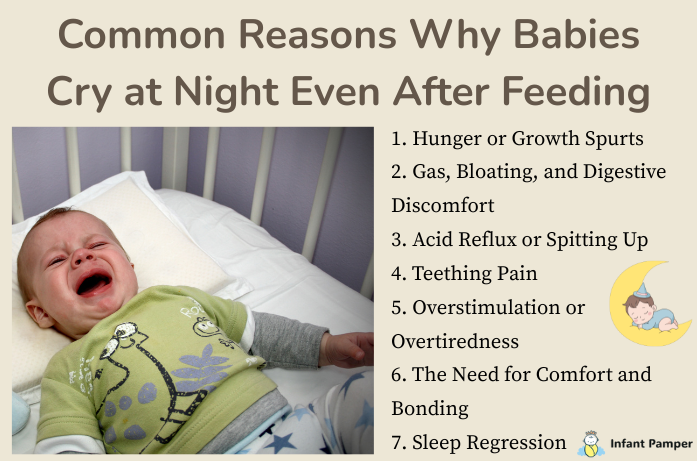
1. Hunger or Growth Spurts
Babies go through growth spurts, particularly in the early months, which can lead to an increase in hunger. During these growth spurts, your baby may need extra nourishment to support their rapid development. Growth spurts typically occur at around 3 weeks, 6 weeks, 3 months, and 6 months, although they can happen at any time. You might notice your baby seems hungrier than usual during these times, and this increased hunger could explain why they cry even after feeding.
If you’re finding yourself asking, Why is my baby crying so much at night? it could be because they need more food to keep up with their body’s growth. It’s not unusual for babies to want to nurse or bottle-feed more frequently during these growth periods. For more insights into why babies cry, visit NPR’s article on nighttime crying.
2. Gas, Bloating, and Digestive Discomfort
A common cause of babies crying after feeding is digestive discomfort. Babies’ digestive systems are still developing, which can lead to trapped gas or bloating. Since babies can’t expel gas as easily as older children or adults, they might experience discomfort. This discomfort may cause them to cry, even after they’ve had a full meal.
Try burping your baby more frequently during and after each feeding, and ensure that they are held upright for a few minutes afterward to allow any trapped air to escape. If your baby still seems uncomfortable, a gentle tummy massage may help relieve the gas buildup. You may also find that using anti-colic bottles can reduce the amount of air your baby swallows during feedings.
3. Acid Reflux or Spitting Up
Many babies experience acid reflux, which occurs when stomach contents flow back into the esophagus, causing discomfort. This can result in crying after a feeding, especially if your baby is laid down too soon after eating. Babies with reflux may also experience spitting up, which can add to their discomfort.
To help manage reflux, try keeping your baby upright for 20 to 30 minutes after feeding to allow gravity to help keep the milk in their stomach. You can also try elevating their crib slightly to reduce the likelihood of reflux during sleep. If you notice your baby’s reflux is persistent or causing them significant discomfort, consulting your pediatrician may help you find ways to manage the symptoms effectively.
4. Teething Pain
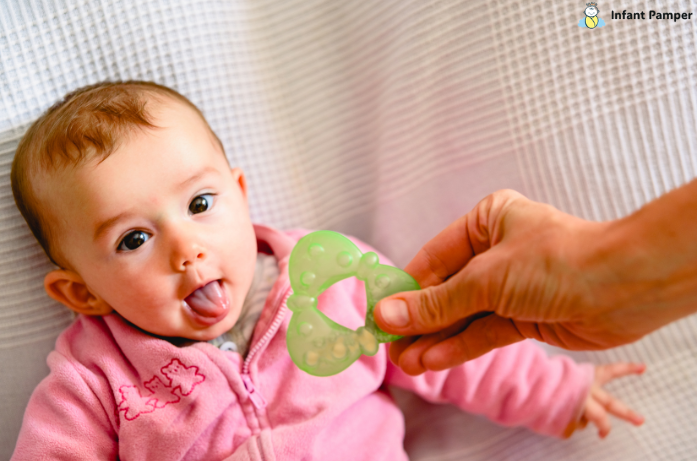
Teething can be another source of nighttime crying. As babies’ first teeth begin to push through their gums, they often experience pain and discomfort. This can make babies more irritable and fussy, especially in the evenings when they are tired. The pain from teething can be enough to make your baby cry after a feeding, even if they’re no longer hungry.
To ease the discomfort, offer your baby a chilled teething ring to chew on, as the cold can numb their gums and provide some relief. Gently massaging their gums with a clean finger may also help soothe their discomfort. If your baby’s teething pain seems particularly intense, it’s always a good idea to check with your pediatrician for recommendations on safe remedies.
5. Overstimulation or Overtiredness
Overstimulation is another reason why babies may cry at night, even after a feeding. If your baby has been exposed to a lot of noise, bright lights, or activity before bedtime, they may find it hard to wind down and fall asleep. Similarly, if your baby has stayed awake too long or skipped a nap, they may become overtired, which can also lead to crying.
To help prevent overstimulation, create a calm and quiet environment for your baby in the hours leading up to bedtime. Dim the lights, reduce loud noises, and keep things peaceful to help them transition into sleep mode. If your baby is overtired, try adjusting their nap schedule during the day to ensure they get enough rest. A consistent bedtime routine can also signal to your baby that it’s time to relax and settle in for sleep.
6. The Need for Comfort and Bonding
Sometimes, crying at night doesn’t necessarily mean your baby is hungry or in pain, it might simply mean they need emotional comfort and reassurance. The transition from the womb to the outside world can be overwhelming, and babies often feel comforted by the presence of their parents. Holding your baby close, offering physical warmth, and responding to their cries can help soothe them and make them feel secure.
If your baby cries despite being fed and changed, they may just need your love and closeness. Rock, cuddle, or simply hold your baby to provide them with the comfort and bonding they need to feel safe. The soothing rhythm of your movements and the warmth of your touch can help calm your baby down and help them return to sleep.
7. Sleep Regression
Sleep regression is a phase many babies go through, usually around 4 months of age, although it can occur at other times as well. During this phase, your baby may start waking up more frequently at night, even if they had been sleeping well previously. This can be frustrating for both parents and babies as it disrupts their established sleep patterns.
Sleep regression is temporary and usually resolves on its own. During this phase, try to maintain a consistent bedtime routine and offer comfort when needed. Avoid introducing new habits that may be hard to break later, as consistency is key. Your baby’s sleep patterns will stabilize over time, and they’ll likely return to more predictable sleep cycles soon.
How to Soothe Your Baby When Crying at Night
If your baby is crying at night after feeding, there are several strategies you can try to help soothe them and promote better sleep. Understanding why babies cry and offering appropriate comfort can help alleviate distress; you can find more on this topic at UNICEF Parenting: Why Babies Cry.”
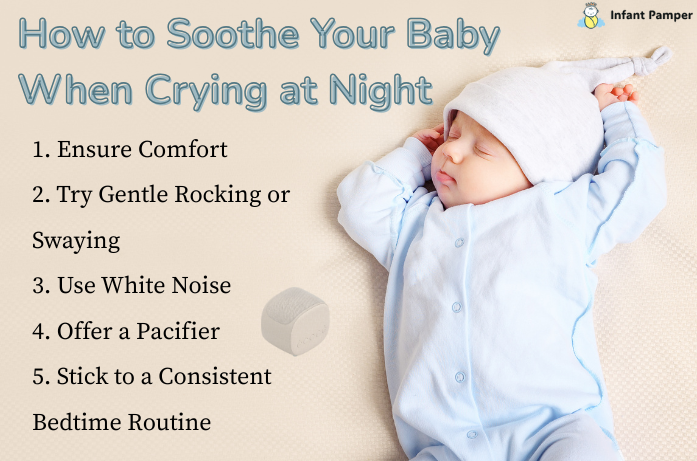
1. Ensure Comfort
Before attempting any other soothing methods, make sure that your baby’s basic needs are met. Check if their diaper is clean, ensure they are dressed appropriately for the temperature of the room, and make sure their sleeping environment is comfortable. Sometimes, babies cry because they’re simply uncomfortable, so addressing these factors can provide instant relief.
2. Try Gentle Rocking or Swaying
Rocking your baby in your arms or using a baby swing can help calm them down. The gentle motion mimics the comfort they felt in the womb, and it can help them feel secure and relaxed. If you’re holding your baby, try swaying gently to soothe them back to sleep.
3. Use White Noise
White noise can be incredibly helpful in calming a fussy baby. The constant sound mimics the noises they heard in the womb and creates a calming environment. A white noise machine or even a simple fan can provide a soothing background noise that helps your baby relax and fall asleep.
4. Offer a Pacifier
Sucking is a natural way for babies to self-soothe. If your baby isn’t hungry, offering a pacifier can help them calm down and drift off to sleep. Be sure to choose a pacifier that is age-appropriate and safe for your baby.
5. Stick to a Consistent Bedtime Routine
Establishing a calming, consistent bedtime routine is key to helping your baby settle down for the night. A bedtime routine can include a warm bath, a quiet story, or softly singing lullabies. The predictability of a consistent routine helps your baby know that it’s time to wind down and sleep.
FAQs
Q. 1 Why do babies cry at night even after feeding?
Babies cry after feeding for several reasons, including hunger due to growth spurts, discomfort from gas or reflux, teething pain, or simply the need for emotional comfort. Understanding the cause of the crying can help you address your baby’s needs more effectively.
Q. 2 Why is my baby crying so much at night?
Excessive nighttime crying can be caused by hunger, digestive issues like gas or reflux, teething pain, overstimulation, or sleep regression. Identifying the underlying cause will help you soothe your baby more effectively and restore a peaceful bedtime routine.
Q. 3 How can I soothe my baby when they cry after feeding?
You can try burping your baby, using a pacifier, or gently rocking them to calm them down. Ensuring that your baby is in a quiet, calm environment can also help soothe them. Sometimes, the need for comfort and bonding is all your baby needs to settle down.
Conclusion
It’s completely normal for babies cry at night, even after being fed. Whether it’s due to growth spurts, discomfort from gas, reflux, or teething, or simply the need for emotional comfort, crying is your baby’s way of communicating. With patience, consistency, and a soothing routine, you can help your baby feel calm and secure, ensuring that both of you get the rest you need. If the crying persists or you are concerned about your baby’s health, don’t hesitate to consult your pediatrician for advice and support.
Join the Infant Pamper community today and stay updated with the latest articles, tips, and guides to help your baby and you get the rest you deserve!
Disclaimer: This article is for informational purposes only. Always consult a pediatrician or healthcare provider for personalized advice regarding your baby’s health and wellbeing.