By a Caring Mom at Infant Pamper
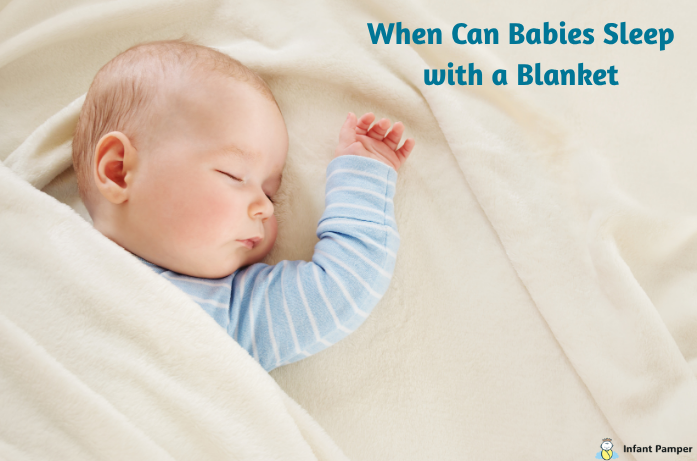
Every parent wants their baby to sleep deeply, warmly, and comfortably throughout the night. It’s natural to think that a soft blanket will make bedtime even more comfortable. But one of the biggest questions new parents face is: When Can Babies Sleep with a Blanket?
While blankets may seem harmless, for infants they can pose real dangers. Experts, including the American Academy of Pediatrics (AAP), warn that blankets, pillows, and other soft items in a crib can increase the risk of Sudden Infant Death Syndrome (SIDS) and accidental suffocation.
The truth is, timing matters. Understanding when it’s safe to give up blankets in the early months and what to use instead can help you create a warm, safe, and comforting environment for your baby sleep.
Safe Sleep Basics: Why Blankets Are Not for Newborns
The first year of your baby’s life is when safe sleep practices are most important. The Stanford Children’s Health guide clearly state that a baby’s crib should be bare, meaning no blankets, pillows, bumper pads, or stuffed toys. A firm mattress with a fitted sheet is all your baby needs.
It may seem simple, but it’s the safest arrangement for your baby sleep during this critical stage of development. Babies don’t have the motor control to remove a blanket from their face or change their position easily. Even a light, airy blanket can pose a suffocation hazard.
A good rule to follow is: “Bare is best.” The safest way for babies is to sleep on their backs, on a firm mattress, without any loose bedding. This simple method significantly reduces the chance of suffocation or overheating, ensuring baby safe sleep every night.
The Right Time: When Can Babies Sleep with a Blanket?
Most pediatricians recommend introducing any kind of blanket by at least one year of age. However, some parents prefer to wait until their children are 18 to 24 months old, when they can sit up, roll over, and push things away from their faces.
At this age, your baby’s physical coordination and strength are much improved, and the risk of suffocation drops dramatically. According to the Centers for Disease Control and Prevention (CDC), thousands of infant deaths each year are linked to unsafe sleep environments, including loose blankets or bedding.
If you ask me when can a baby sleep with blanket and be safe, the most secure answer would be: once he turns one, and even then, the blanket should be light, and breathable, and used with caution. It is better to wait a bit longer than to take a risk too soon.
Why Blankets Can Be Dangerous for Young Babies
It’s easy to see why parents want to use a blanket. Babies look so peaceful snuggled up, and we naturally associate warmth with comfort. But for infants, a blanket can quickly become dangerous.
Babies under one year old can’t always lift their heads or shake off a blanket if it gets over their nose or mouth. They also regulate their body temperature differently than adults. Heavy or layered blankets can cause overheating, another known risk factor for SIDS.
Even lightweight muslin baby sleep blankets can pile up and cover a baby’s face if they move during sleep. For these reasons, medical experts agree that it’s safest to avoid any loose clothing in the crib. Keeping your baby’s sleeping area clean ensures safe sleep and gives you peace of mind.
How to Keep Your Baby Warm Without a Blanket
In the case that you are not able to wrap your baby in a blanket, what are the ways to keep your little one warm and cozy throughout the night? The positive side is, there are safe and useful options indeed.
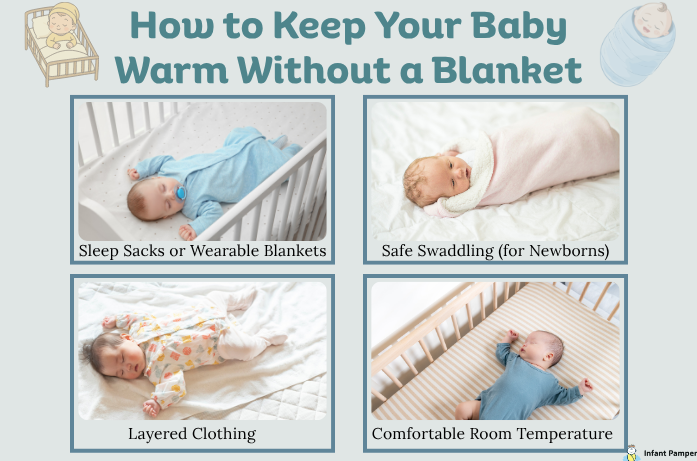
1. Sleep Sacks or Wearable Blankets: The baby is securely wrapped up in a sleep sack but with no fear of getting suffocated as the cover won’t reach their face. It is a type of sleeping bag with a zipper that allows for the baby to move about but still be warm.
According to the Cleveland Clinic, sleep sacks are one of the safest alternatives to blankets because they maintain warmth while reducing suffocation risk.
2. Safe Swaddling (for Newborns): Swaddling makes infants relaxed and stops them from waking up suddenly. However, as soon as your baby starts flipping (at approximately 2-3 months), you should stop swaddling right away to avoid the risk of suffocation.
3. Layered Clothing: Dress your baby in pajamas made from non-irritating cotton. You can add a onesie underneath a light sleeper for additional warmth. Don’t use hats and mittens during sleep as they keep too much heat in.
4. Comfortable Room Temperature: Maintain the nursery temperature between 68°F and 72°F (20–22°C). As Pregnancy Birth & Baby notes, a stable room temperature helps prevent overheating and supports safe sleep.
The above minor changes not only help your baby sleep safely but also keep him warm and comfortable as per the recommended safety sleep standards.
How to Know Your Baby Is Ready for a Blanket
When your baby turns one, you might start thinking about getting a blanket. But, of course, this decision depends on your child’s communication and motor skills, rather than their age.
These are the indications that your baby might be ready
- They can roll over both ways easily.
- They can sit up and stand independently.
- They can move items away from their face.
- They have made a move to sleeping on a toddler bed or on a sleep mat.
As you notice these developmental milestones, you can welcome a small, lightweight blanket made from a breathable material like cotton or muslin. Avoid quilts, knitted blankets, or anything heavy. Introduce it gradually, starting at bedtime when you can monitor your baby sleep.
Even after introducing a blanket, continue to keep other bedding and toys out of the crib. Remember, baby blanket safety means one simple blanket is enough, no extras needed.
Transitioning from a Sleep Sack to a Blanket
Moving from a sleep sack to a blanket can feel like a big step, but it doesn’t have to be stressful. Here’s how to make the transition smooth and safe.
Start by letting your toddler use a small blanket during naps so you can observe how they manage it. Tuck the blanket around their waist or under the mattress corners to keep it in place. Avoid anything that can bunch up near the face.
Keep the room at a steady temperature and continue dressing your child in breathable sleepwear. If your baby keeps kicking the blanket off, it’s okay to go back to a sleep sack until they’re a bit older.
Following these steps helps ensure safe Baby Sleep with a Blanket while teaching your toddler how to stay cozy without taking risks.
Final Thoughts: Warmth Through Safety and Love
As parents, we often equate coziness with safety, but for babies, it’s the opposite. A warm, snug sleep environment doesn’t require a blanket; it requires careful attention to baby sleep safety.
The safest option is to wait until the child is at least a year old (and ideally near 18 months) before letting a blanket in the crib. In the meantime, rely on safe alternatives such as sleep sacks, swaddles, and appropriate clothing to keep your baby warm.
An important thing to remember is that every decision you make to protect your baby while sleeping is a sign of love. Understanding that your baby can safely sleep with a blanket helps you experience warmth, comfort, and security together, allowing both you and your baby to enjoy the comforting rest you deserve.
Common Questions Parents Ask
Q.1 Can my 6-month-old sleep with a blanket?
No. Babies under one year old should never sleep with a blanket. Even light fabrics can accidentally block breathing during sleep.
Q.2 What about thin muslin cloths?
They may seem harmless, but any loose item in the crib can be unsafe. Stick to wearable blankets or sleep sacks.
Q.3 When can toddlers start using blankets and pillows?
Around 18 to 24 months, once your child can move freely and transition to a toddler bed, it becomes safer to introduce light bedding.
Q.4 What if my baby gets cold at night?
Adjust the room temperature or add a clothing layer instead of a blanket.
Q.5 Is it okay to use a blanket during supervised naps?
Only for toddlers who can move freely. For younger babies, it’s safest to skip it altogether.
Your baby’s safety starts with knowledge and care. Follow Infant Pamper for more expert-backed parenting tips, safe sleep guides, and baby care insights that help you nurture your little one with confidence.
Disclaimer: This article is for informational purposes only and should not replace medical advice. Always consult your pediatrician for personalized guidance on your baby’s sleep safety and care.