By a Caring Mom at Infant Pamper
Bringing home a newborn baby in the snowy weather is truly a wonderful experience, filled with cute little hats, soft blankets, and love. However, don’t forget the challenges that come with such a wonderful experience. Cold air, dry skin, temperature fluctuations, and the possibility of winter illnesses can cause some stress for any new parent.
Therefore, it’s important to have a good understanding of winter essentials for a newborn baby. By having the right winter care items, you can ensure your baby stays warm, safe, and comfortable throughout the season.
Why Winter Care Matters for Newborns
The newborn care during winters is very important. It is because the newborns are not able to control their body temperature like adults. Besides, their skin is very sensitive, they lose warmth very fast and the dry winter air can be very hard on them. Therefore, having winter essentials is different from having summer ones.
Best newborn winter essentials can help in keeping your newborn warm, hydrated, and calm even on the coldest days.
1. Clothing Must-Haves for Newborns Winter Essentials
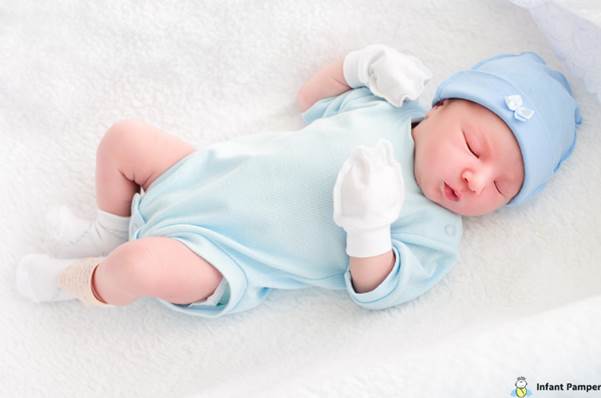
Layered Winter Clothing: Layering is the cutest and the safest way to dress your baby in winter. Rather than dressing in thick clothes, go for light and breathable layers that you can easily add or remove depending on the situation.
Warm, Breathable Cotton Onesies: Cotton onesies should be the starting point of every winter newborn clothes checklist. They make the best base layer, giving your baby warmth without the risk of overheating.
Footed Sleepers & Thermal Pajamas: These warm garments completely envelop your baby, making them the perfect choice for cold days and nights. Furthermore, choosing a soft fleece sleeper will keep your baby warmer; however, cotton ones are better if the room temperature is above 20°C.
Winter Caps & Soft Mittens: Because babies lose the most heat through their head and hands, warm caps and mittens are absolutely necessary to keep them snug and cozy.
Socks, Booties & Leg Warmers: Winter brings the problem of cold toes that are mainly responsible for babies’ fussiness. Socks and booties are good solutions to keeping baby warm.
Light Fleece or Cotton Jacket: A lightweight jacket offers warmth without affecting car seat safety. Avoid thick coats, especially in car seats.
Wool or Fleece Blanket (Outdoor Use Only): On stroller rides or during supervised cuddles, a fleece blanket will provide extra warmth. However, always remember that no loose blankets are allowed in cribs during sleep time. According to the American Academy of Pediatrics winter safety guidance, loose blankets should never be used in a crib during sleep. Always keep blankets for outdoor use or supervised moments only.

2. Winter Sleep Essentials for Newborns
2.5 TOG Sleep Sack: A sleep sack is one of the most crucial things for newborn safety in winter. It takes over the loose blankets and gives warm, secure sleep all night long.
Long-Sleeve Bodysuit + Footed Sleeper: By putting a bodysuit under a footed sleeper you get a breathable, cozy sleep outfit without the risk of overheating.
Room Thermometer: Keep the baby’s room at 20–22°C (68–72°F). A thermometer is the best way to ensure and maintain good sleeping conditions.
Cool-Mist Humidifier: The winter season can be really dry for your baby’s skin and nose. A humidifier is a great solution as it adds moisture, therefore preventing flaky cheeks, dryness, and night-time discomfort.
Firm Mattress With Fitted Sheet: A safe sleeping environment consists of a firm mattress with one tight fitted sheet. There are no pillows, toys, or blankets, which helps to regulate the body’s temperature naturally.
3. Winter Newborns Skincare Essentials
Fragrance-Free Baby Moisturizer: A very gentle, fragrance-free moisturizer is a must. Apply twice daily to keep the skin soft and smooth as winter dryness can cause the skin of newborns to become rough and squeaky.
Petroleum Jelly for Cheeks & Lips: A thin layer of petroleum jelly before stepping out of the house will serve as a protection to your baby’s face by windburn and cold air.
Gentle Baby Soap: Do not over wash. In winter, you can give your baby 2–3 baths a week with lukewarm water and soap that is gentle for babies so that the skin does not become dry.
Coconut Oil or Baby Oil
A warm oil massage not only keeps the skin soft but also calms and strengthens the bond between parent and child.
Soft Washcloths
Delicate winter skin can be ensured by soft washcloths.
4. Newborn Winter Feeding Essentials
Warm Feeding Clothing & Coverage: The baby must not feel cold while being fed. Dress them in a warm way, cover their head and hands, and keep them away from drafts. Heat makes them feed quietly and peacefully.
Hydration for Breastfeeding Moms: Dehydration in winter may lead to reduction in milk supply. Mothers who are breastfeeding should drink warm water, soups, and hydrating beverages to stay nourished and keep the milk flow.
Warm Feeding Environment: If the feeding area is cozy with no drafts, then your baby will be relaxed whether you breastfeed or bottle feed him/her.
5. Winter Outdoor Essentials for Newborns
Soft Warm Hat: A hat that protects the ears of your newborn is a must-have for shielding him or her from the cold and wind.
Layered Winter Clothing: Dress your baby in a cotton bodysuit, one-pieces with feet, and a thin fleece jacket. This allows for proper ventilation and at the same time heat is kept.
Stroller Footmuff or Weather Cover: A stroller footmuff or cover is a good way to protect your baby from wind and cold drafts, which makes the outdoor time more pleasant.
Baby Carrier + Your Coat Over It: Babywearing makes it possible for your little one to stay warm by getting the warmth from your body. For added warmth, wrap the coat around both of you.
Safe Outdoor Timing: Outdoor exposure is limited to 10 to 20 minutes on the winter days of mild temperatures. Avoid the times when the temperature drops fast in the early morning and late evening.
Proper Airflow Safety: A blanket should not be used to cover your baby’s face at no time. Ensure that the airflow is always clear and open.

6. Car Seat Safety in Winter
Safe Layering Only: A thick, puffy jacket must not be worn by your newborn while bucking them up. It forms a dangerous gap beneath the harness.
Thin, Breathable Layers: Your baby should be always secured in thin layers so that the harness fits snugly and safely.
Blanket Over the Harness: After the buckling of the baby, place a blanket that is warm over the straps for safe warmth.
Car Seat Cover: A car seat cover prevents the entry of cold air while keeping the airflow around the face of your baby at a comfortable level.
Pre-Warm the Car: If possible, warm up the car before your baby is brought to avoid the need for bulky clothes.
7. Nursery Winter Essentials
Your winter nursery setup plays a huge role in your newborn’s comfort.
Room Humidifier: It is a solution to the problem of dry nostrils, cracked lips, and nighttime coughing caused by the dry indoor air.
Air Purifier: It is a necessity during the winter days when there is a lot of dust or pollution.
Temperature Monitor: It keeps the room temperature safe and comfortable for the baby all the time.
Thick Curtains: They are effective in blocking cold drafts and it also helps in maintaining the warmth of the indoor area.
Extra Swaddle Blankets (Daytime Only): They are great for supervised naps and bonding time, but not for crib sleep.
8. Health & Hygiene Essentials for Winter Newborns
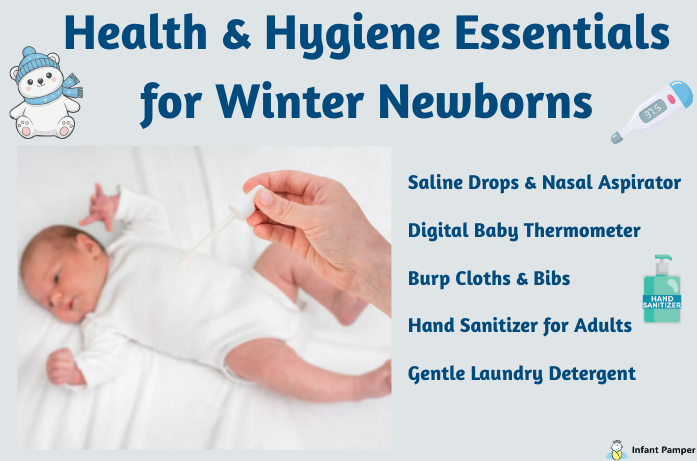
Saline Drops & Nasal Aspirator: A newborn’s nose may get stuffy due to cold air. Saline drops work by thinning the mucus, and a nasal aspirator gently removes it.
Digital Baby Thermometer: It is a must-have for winter since checking the baby’s temperature is especially important in the case of illness.
Hand Sanitizer for Adults: It should be used before handling the baby; it is particularly important during the flu season.
Burp Cloths & Bibs: Layers equal to more spit-ups, consequently having the additional ones will keep your child dry and comfy.
Gentle Laundry Detergent: It not only prevents but also protects the delicate skin of newborns especially in winter occasions that are harsh.
9. Newborn Clothes Checklist Winter (Quick Guide)
Daily Wear
- 6–8 long-sleeve onesies
- 5–6 footed sleepers
- 2–3 thermal pajamas
- 3–4 pairs of socks/booties
- 2–3 warm hats
Outdoor Wear
- 1 lightweight fleece jacket
- 1–2 stroller blankets
- 1 footmuff or weather cover
Sleep Wear
- 2–3 sleep sacks (2.5 TOG)
- Breathable pajamas
Skincare
- Moisturizer
- Petroleum jelly
- Gentle baby soap
10. Signs Your Newborn Is Too Cold or Too Hot
It’s completely understandable to wonder if your newborn is wearing the right clothes during the winter months. Babies express their discomfort very openly.
A baby who is too cold may have pale skin, fussiness, or a cool chest/back. Their hands and feet might feel icy, but those aren’t reliable indicators, newborn extremities are naturally cooler.
On the other hand, a hot baby may have a sweaty neck, red cheeks, or slightly faster breathing. Wet hair can also be a clear sign of overheating.
To accurately determine temperature, it’s always recommended to touch your baby’s chest or back, not their hands or feet.
Simple Winter Tips Every New Parent Should Know
- One more layer than yourself for the baby
- No outdoor walks during the coldest time
- Do oil massages and rub in gently to promote blood circulation
- Bathe your baby earlier in the day
- No sick visitors even in small numbers
- Warm the nursery but do not let the heater’s hot air blow directly on the baby
- Open windows for a few minutes every day for fresh air
FAQs
1. How can I be sure that my child is warm enough during winter?
Touch the chest or back. It should feel like warm, not hot or sweaty.
2. What is the proper dress code for a newborn during winter nights?
A long-sleeve bodysuit, footed sleeper, and a 2.5 TOG sleep sack.
3. Is it ok to take my newborn out on cold days?
Yes, provided that it lasts max 10-20 minutes on mild days, the baby is dressed in layers and has a warm hat on.
4. Can my baby wear a coat in the car seat?
No, rather use thin layers and put a blanket over the harness instead.
5. Do newborns require a humidifier in winter?
A cool-mist humidifier will be the remedy for both dry skin and stuffy noses.
6. How often should I bathe my newborn in winter?
Only 2–3 times per week using lukewarm water.
Final Thoughts
With the correct Newborn Winter Essentials, your newborn’s first winter can be comfortable, serene, and filled with wonderful memories. You only need safe, useful necessities to keep your baby warm, cozy, and safe expensive items are not necessary. Prioritize warm feeding conditions, gentle skincare, safe sleeping practices, and breathable layers.
You will always treasure the memories of every winter moment, including cuddles, small hats, warm meals, and peaceful naps. Want more helpful newborn tips? Keep reading Infant Pamper for trusted, mom-approved guidance.