By a Caring Mom for Infant Pamper
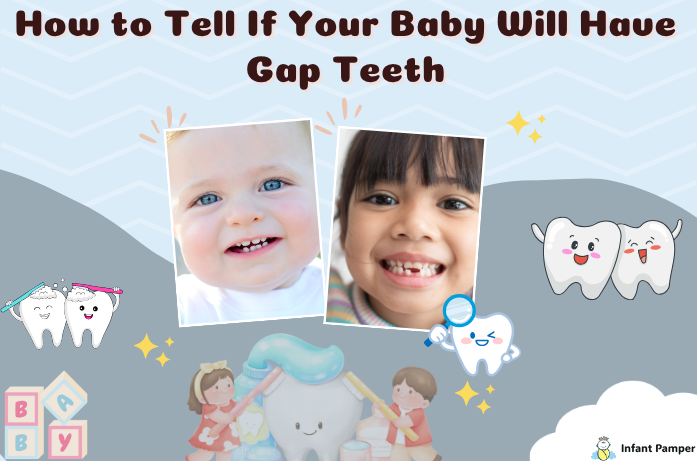
As parents, it’s only natural to wonder about every small detail in our baby’s development. From their first tooth to the first smile, everything fascinates us. One common question parents have is, “How to tell if baby will have gap teeth?” You may notice small spaces between their baby teeth, but what does it mean for their future dental health? Is it normal? Should you be worried?
The good news is that baby teeth gaps are often perfectly normal and part of healthy development. However, in some cases, these gaps might be a sign of how their permanent teeth will come in. This guide will explain why babies have gaps in their teeth, when you might need to consult a dentist, and the steps you should take as your child’s teeth continue to grow. (also called a diastema)?
Why Do Babies Have Gaps Between Teeth?
It’s common for babies to have gaps in their teeth, especially when the primary teeth begin to emerge. Here’s why gap in baby teeth is often a sign of healthy development:
1. Natural Growth Space for Permanent Teeth
Baby teeth are smaller than adult teeth, and the gaps you see between them are often there to make room for the larger permanent teeth. Without these gaps, permanent teeth might not have enough space to grow in properly, which could lead to overcrowding or misalignment later on.
2. Jaw Size vs. Tooth Size
In some babies, the jaw might be larger than their tooth size, resulting in visible gaps between their teeth. This is a natural part of growth, and as the baby’s body matures, the teeth usually fill in these gaps.
3. Frenulum Attachment
A piece of tissue called the labial frenulum connects the upper lip to the gums, and in some cases, it may extend between the two upper front teeth. This attachment can cause a visible gap, but it’s usually nothing to worry about. Over time, the gap may close as the baby grows.
4. Oral Habits
If your baby sucks their thumb or uses a pacifier for an extended period, it can sometimes affect the alignment of their teeth, creating or exacerbating gaps. However, most babies outgrow these habits before permanent teeth come in, and any gaps that result usually close on their own.
According to the American Academy of Pediatric Dentistry gaps in baby teeth are generally healthy and expected.
When Are Gaps in Baby Teeth a Good Sign?
Believe it or not, gaps can actually be a good thing! Here are some reasons why normal baby front teeth gap and other small gaps are beneficial:
1. Extra Space for Permanent Teeth
Most orthodontists recommend that gaps in baby teeth are actually a good sign. These gaps provide space for the larger permanent teeth that will grow in, reducing the risk of overcrowding later on.
2. Easier to Clean
Teeth gaps make it easier to clean your baby’s teeth and gums. The spacing helps reduce plaque buildup, lowering the risk of cavities and gum issues. Good oral hygiene from the start is crucial for healthy teeth in the future.
3. Healthy Growth and Development
A baby front teeth gap is often a sign of healthy development, with teeth being spaced out to make room for adult teeth. This is a natural part of the transition from baby teeth to permanent teeth.
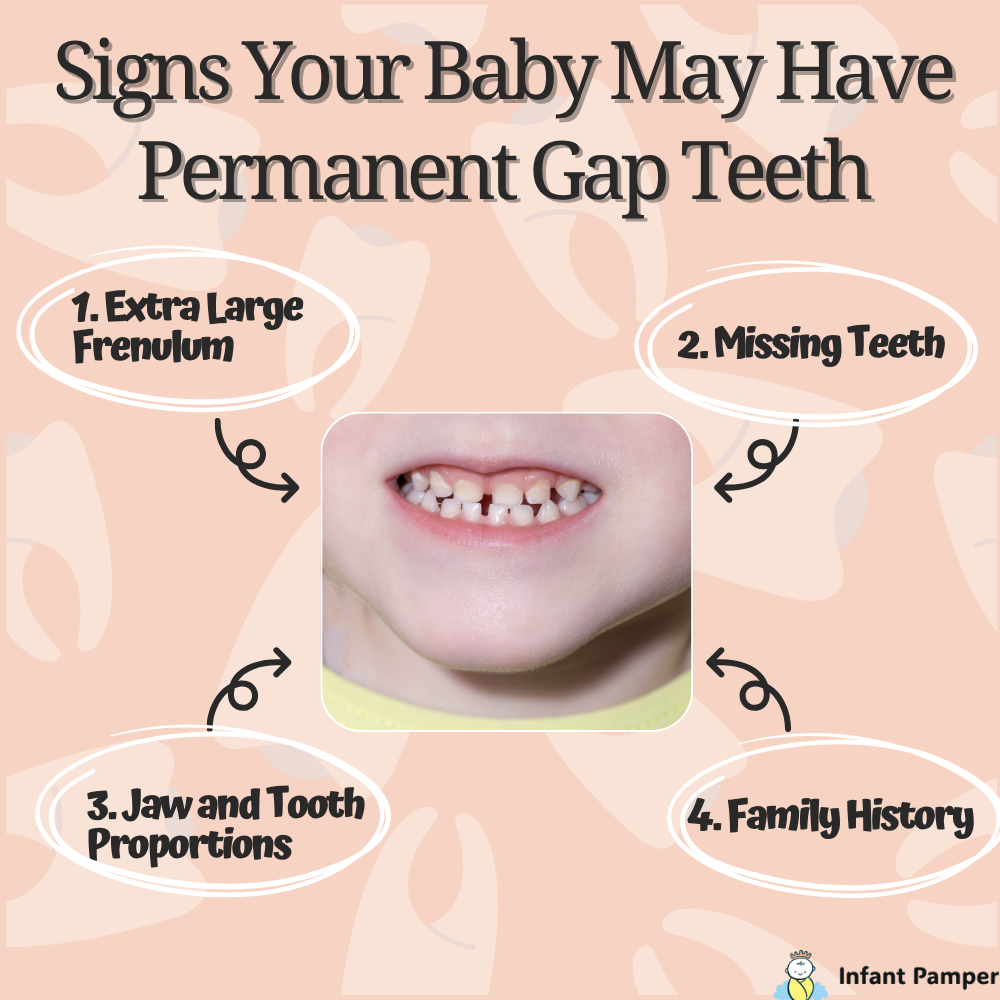
Signs Your Baby May Have Permanent Gap Teeth
While many baby teeth gaps close naturally as the permanent teeth arrive, there are some cases where the gap may persist. Here are a few signs that could indicate your baby will have a gap in baby teeth as they grow older:
1. Extra Large Frenulum
If the frenulum (the tissue connecting the upper lip to the gum) extends significantly between your child’s front teeth, it can keep their teeth from closing together as they grow. This may result in a gap in baby teeth that persists into adulthood.
2. Missing Teeth
Sometimes, a gap indicates that your baby is missing a tooth. This could be due to trauma, genetics, or simply a naturally absent tooth. If there’s a noticeable gap in the baby teeth, it’s worth discussing with your pediatric dentist.
3. Jaw and Tooth Proportions
If your child has a wide jaw relative to their tooth size, gaps may continue to persist as their permanent teeth emerge. This can lead to a gap in baby teeth turning into a permanent feature.
4. Family History
Genetics play a big role in whether a child will have a gap in their teeth. If you or your family members have had baby gap teeth, there’s a higher likelihood that your child might have them too.
5. Permanent Teeth Are In, and the Gap Remains
While gaps are common in baby teeth, they often close as permanent teeth emerge. If a gap remains even after the permanent teeth grow in, it could be an indication that orthodontic treatment might be needed.
When Can You Tell?
The most telling signs of whether a gap will persist usually appear between ages 6 and 8, when permanent teeth start coming in. Before this stage, predicting the outcome is much harder. That said, experts recommend scheduling an early dental visit, ideally within six months of your baby’s first tooth or by their first birthday. According to the American Academy of Pediatric, Good Oral Health Starts Early and how we take care of his teeth.
What Should Parents Do?
- Regular Dental Checkups
The first visit should happen by age one or when the first tooth appears. Early checkups allow the dentist to monitor spacing and bite alignment. - Don’t Rush Orthodontics
Most pediatric dentists wait until all permanent teeth have erupted before deciding on braces, usually around 12 years old. - Watch Oral Habits
Limit thumb sucking and prolonged pacifier use beyond age two to avoid alignment issues. - Keep Teeth Clean
Proper oral hygiene from the start is crucial, gap or no gap. Including nutritious foods like broccoli puree for baby and prune puree for baby supports overall health, digestion, and oral development.
When to See a Dentist Immediately
Contact a pediatric dentist if:
- Your child has pain, swelling, or bleeding gums.
- You notice extra teeth, missing teeth, or unusual jaw growth.
- Gaps seem extremely large or teeth look severely misaligned.
Will a Gap Affect Speech or Eating?
Small gaps in baby teeth usually do not cause speech or eating issues. Larger gaps, especially in combination with other alignment problems, might require professional evaluation by a pediatric dentist or speech therapist.
FAQs: How to tell if baby will have gap teeth
Q1: Are gaps in baby teeth normal?
Answer: Yes, they are common and often healthy.
Q2: Do gaps mean my child will need braces?
Answer: Not always,most close naturally as permanent teeth grow in.
Q3: When should my baby see a dentist?
Answer: By age one or six months after the first tooth.
Q4: Can thumb sucking cause gaps?
Answer: Yes, prolonged sucking may affect alignment over time.
Q5: Will a gap affect my child’s speech?
Answer: Small gaps usually don’t, but larger gaps can sometimes cause issues.
Final Thoughts
A gap between baby teeth often signals healthy growth, not a problem. Most gaps close on their own as permanent teeth come in. If you’re worried, don’t panic,just stay consistent with dental visits and good oral care.
Remember, every child’s smile is unique. Whether gap-toothed or not, that smile is precious!
Want more real parent tips and expert guidance? Visit infant pamper for practical advice on baby health, growth, and development.
Disclaimer: This article is for informational purposes only and does not replace professional dental advice. Always consult a pediatric dentist for concerns.