By: A Caring Mom at Infant Pamper
As a parent, one of your top priorities is ensuring that your baby sleeps soundly and safely. A good night’s sleep is vital for your baby’s growth and development, and choosing the right how to dress your baby for sleep plays a key role in achieving that. With so many options available, it can be difficult to know how to dress your baby in a way that promotes both comfort and safety during sleep.
In this guide, we’ll walk you through everything you need to know about how to dress your baby for sleep, including how to select the right sleepwear for different seasons and temperatures. From understanding layering techniques to choosing breathable fabrics, we’ve got you covered to help you create the perfect sleep environment for your little one.
Why Baby Sleep Safety Should Be Your Top Priority
Before delving into sleepwear options, it’s essential to prioritize baby sleep safety. According to the American Academy of Pediatrics (AAP), and CDC creating a safe sleep environment can significantly reduce the risk of Sudden Infant Death Syndrome (SIDS) and other sleep-related incidents.
Key Baby Sleep Safety Tips:
- Avoid Loose Bedding: Loose blankets, pillows, or stuffed toys can increase the risk of suffocation. Instead, opt for sleep sacks or wearable blankets, which ensure your baby stays warm without the risk of entanglement.
- Back to Sleep: Always place your baby on their back to sleep. This sleep position has been shown to reduce the risk of SIDS.
- Optimal Room Temperature: Babies are unable to regulate their body temperature effectively, so it’s essential to keep their sleep space at a safe and comfortable temperature. The room should be between 68-72°F (20-22°C).
Ensuring your baby’s sleep environment is safe is the first step in promoting better sleep, so let’s move on to how you can dress your baby to support this environment.
How to Dress Your Baby for Sleep: The Basics
When dressing your baby for sleep, it’s crucial to focus on three primary factors: comfort, safety, and temperature regulation. Babies are more sensitive to temperature fluctuations than adults, so ensuring they remain at a comfortable temperature is key to a restful sleep. You can also find more detailed tips on dressing your baby for sleep at the NHS website.
Layering: The Best Way to Keep Your Baby Comfortable
Layering is one of the most effective strategies for dressing your baby. This technique provides flexibility to adjust their sleepwear depending on the room temperature.
A simple rule is to dress your baby in one more layer than you are wearing. For instance, if you are wearing a t-shirt and a blanket, dress your baby in a onesie with a sleep sack or a long-sleeve footed pajama. This prevents the need for loose blankets, which can be a suffocation risk.
Adjusting for Room Temperature
Layering also makes it easy to adjust your baby’s clothing as the room temperature changes throughout the night. For example, if your home’s heating turns on and warms the room, you can remove a layer to ensure your baby doesn’t overheat.
Choosing the Best Fabrics for Baby Sleepwear
The fabrics you choose for your baby’s sleepwear play a crucial role in their comfort and safety. Soft, breathable fabrics help regulate your baby’s body temperature and keep them comfortable all night long.
Here are some of the best fabrics for comfortable baby sleepwear:
- Cotton: Cotton is a soft, breathable fabric that is gentle on your baby’s sensitive skin. It’s ideal for both summer and winter baby sleepwear because it helps regulate temperature and wicks away moisture. Cotton keeps your baby dry and cozy throughout the night.
- Bamboo: Bamboo fabric is another fantastic option. It’s moisture-wicking and has natural temperature-regulating properties. Bamboo sleepwear can help keep your baby warm in the winter and cool in the summer, making it an excellent choice for year-round use.
- Fleece: For winter sleepwear, fleece is a great option. It provides warmth and comfort but needs to be breathable to prevent overheating. Always monitor your baby’s temperature to ensure they’re not getting too warm in fleece-lined sleepwear.
How to Dress Your Baby for Sleep: Seasonal Considerations
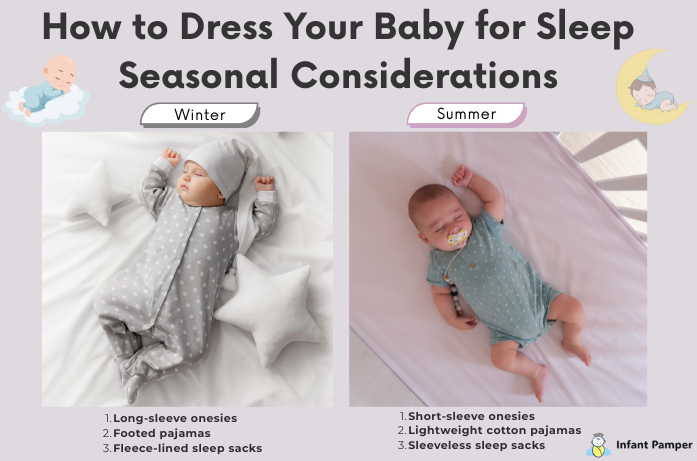
Dressing your baby according to the season is vital for maintaining comfort and safety during sleep. Here’s how to dress your baby based on the temperature of the season.
Winter: Keeping Your Baby Warm and Safe
During colder months, it’s essential to keep your baby warm without overheating. Here’s how to dress your baby for winter sleepwear:
- Long-sleeve onesies: A cotton long-sleeve onesie serves as a great base layer for colder months.
- Footed pajamas: These keep your baby’s feet warm and eliminate the need for socks, which can easily fall off during sleep.
- Fleece-lined sleep sacks: A sleep sack with fleece lining is perfect for extra warmth, but make sure it’s breathable. To get more insights into dressing your baby appropriately for sleep in any season, visit the Sleep Foundation’s Guide.
Ensure the room temperature is between 68-72°F. If your baby feels warm to the touch, consider removing a layer to prevent overheating.
Summer: Keeping Your Baby Cool and Comfortable
In warmer weather, your baby’s sleepwear should focus on lightweight and breathable fabrics to keep them comfortable without overheating. For summer sleepwear, choose the following options:
- Short-sleeve onesies: Soft cotton onesies are breathable and perfect for hot nights.
- Lightweight cotton pajamas: Choose lightweight cotton pajamas for maximum comfort.
- Sleeveless sleep sacks: A sleeveless sleep sack allows for airflow while providing warmth and security.
Even in the summer, the room should be kept at 68-72°F. Dress your baby in light, breathable fabrics, and check their body temperature to ensure they aren’t too hot.
Dressing Your Baby for Night Sleep: Establishing a Comfortable Routine
For Newborns: Safe Sleep Practices
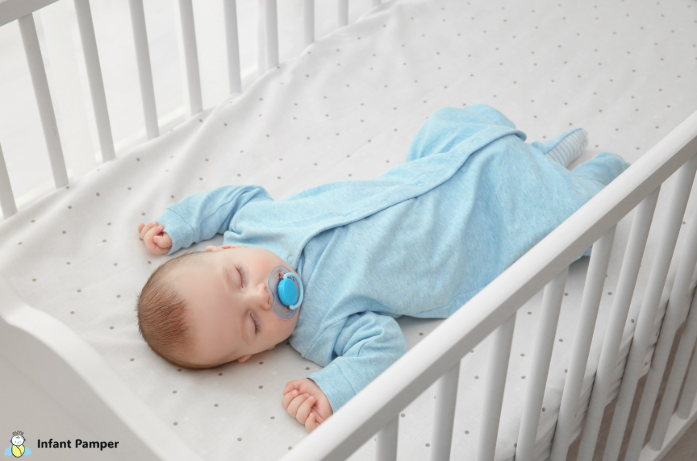
For newborns, the primary focus is safety. Newborns should wear soft, breathable onesies combined with a sleep sack or wearable blanket. This eliminates the risk of loose blankets, ensuring your baby stays safe while sleeping.
If the room temperature is cooler, add a layer, such as a soft hat or socks, for extra warmth.
For Older Babies: Flexibility and Comfort
As your baby grows, they may become more active during sleep. For winter, choose one-piece pajamas with long sleeves or a sleep sack with arms for added warmth. For summer, opt for short-sleeve onesies or lightweight cotton pajamas. Make sure the clothing is snug but not restrictive to allow for free movement.
Final Thoughts
Dressing your baby for sleep is more than just a task; it’s a crucial part of ensuring their safety, comfort, and overall well-being. By following the guidelines for baby sleep safety, choosing the right breathable fabrics, and adjusting for the appropriate room temperature, you can create a safe and cozy sleep environment for your little one.
Whether it’s baby sleepwear for winter or baby sleepwear for summer, always dress your baby based on their comfort level and the room temperature. With the right choices, your baby’s sleep will be peaceful, and their overall health and development will thrive.
Common Questions About Dressing Baby for Sleep
Q1 When is it appropriate to stop using a sleep sack for my baby?
Sleep sacks are suitable until your baby starts crawling or walking, usually between 12 and 18 months. Once your baby is more mobile, switch to one-piece pajamas or other sleepwear options.
Q2 Can I use a blanket for my baby at night?
It’s safest to avoid using blankets for babies under one year old due to the risk of suffocation. Instead, use safe sleepwear for newborns, such as sleep sacks or wearable blankets.
Q3 Which fabrics should I avoid for baby sleepwear?
Avoid synthetic fabrics like polyester, which don’t allow your baby’s skin to breathe. Stick to natural, breathable fabrics like cotton, bamboo, or fleece to keep your baby comfortable and safe.
Q4 How can I tell if my baby is too hot or too cold at night?
Check your baby’s neck or chest for temperature. If they feel sweaty or flushed, they are too hot. If their skin feels cold to the touch, they may need an extra layer.
Q5 Should I dress my baby the same for naps as for nighttime sleep?
Yes, dress your baby for naps in the same comfortable baby sleepwear they wear at night. Adjust the layers based on room temperature.
For more parenting tips, expert advice, and sleepwear recommendations, visit Infant Pamper, your trusted source for everything baby care!
Disclaimer: Always consult your pediatrician for personalized advice regarding your baby’s sleep needs. This article is not intended to replace professional medical advice.