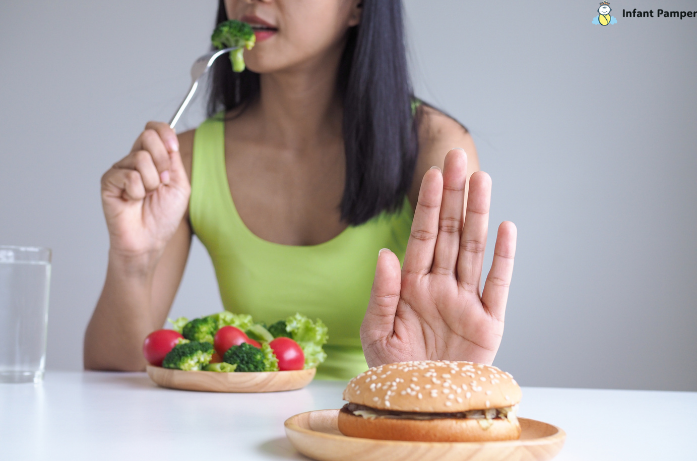
Breastfeeding is a deeply personal journey. Some days feel empowering, others exhausting, and many fall somewhere in between. Along the way, one question almost every new mother asks is about diet. The idea of “foods to eat and not eat while breastfeeding” often comes with confusion, mixed advice from family, and a lot of online noise. Should you avoid spices? Is your baby gassy because of something you ate? Are you eating enough of the right things?
The truth is comforting: breastfeeding does not require a perfect or restrictive diet. Your body is remarkably capable of producing nourishing milk even on imperfect days. Still, what you eat can influence your own recovery, energy levels, and sometimes your baby’s comfort. This guide is written to gently explain how to nourish yourself during breastfeeding, without fear, guilt, or unrealistic rules, so you can feel confident and supported during this stage.
Why Nutrition During Breastfeeding Deserves Attention
Breastfeeding places extra demands on your body. You are healing from pregnancy and birth while also producing milk around the clock. This means your need for calories, fluids, and nutrients is higher than usual.
A balanced diet while nursing can:
- Support steady milk production
- Help replenish nutrient stores depleted during pregnancy
- Improve maternal energy and mood
- Reduce excessive fatigue and dizziness
- Support baby’s growth and digestion
Health organizations like the World Health Organization (WHO) and Centers for Disease Control and Prevention (CDC) emphasize that breastfeeding mothers benefit from a varied, nutrient-dense diet to support both mother and infant.
Foods to Eat and Not Eat While Breastfeeding
Understanding what supports your body and what may need moderation can make daily food choices feel much simpler. This section breaks things down in a realistic, flexible way, because real motherhood doesn’t follow rigid food rules.
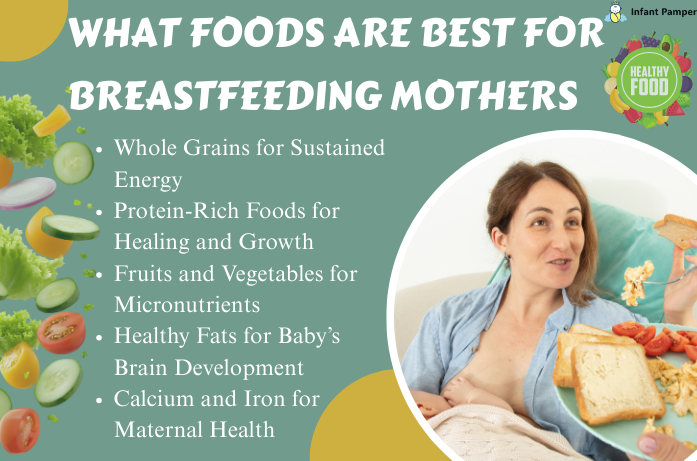
What Foods Are Best for Breastfeeding Mothers
Your meals don’t need to be fancy. Consistency, balance, and nourishment matter far more than perfection. The Mayo Clinic emphasizes that breastfeeding mothers benefit most from a varied, nutrient-dense diet.
1. Whole Grains for Sustained Energy
Whole grains provide complex carbohydrates that keep energy levels stable, especially important during night feeds and sleep deprivation.
Helpful options include oats, brown rice, whole wheat roti, quinoa, and millets. Oats are often loved by nursing mothers because they are filling, gentle on digestion, and easy to prepare.
2. Protein-Rich Foods for Healing and Growth
Protein supports tissue repair after childbirth and contributes essential amino acids to breast milk.
Good sources include lentils, beans, chickpeas, eggs, paneer, tofu, yogurt, fish, and lean meats. Plant-based or animal-based, both are beneficial when included thoughtfully.
3. Fruits and Vegetables for Micronutrients
Fresh produce provides vitamins, minerals, antioxidants, and fiber that support immunity and digestion.
Leafy greens, carrots, pumpkin, sweet potatoes, apples, bananas, berries, and citrus fruits are all nourishing choices. There is no need to fear fruits; natural sugars in whole fruits are beneficial, not harmful.
4. Healthy Fats for Baby’s Brain Development
Breast milk naturally contains fat, which is essential for infant brain and nervous system development.
Foods like nuts, seeds, avocados, olive oil, homemade ghee, and fatty fish such as salmon help support healthy fat intake. These fats also help you feel full and satisfied.
5. Calcium and Iron for Maternal Health
Calcium supports bone health, while iron helps prevent postpartum fatigue and weakness.
Dairy products, ragi, sesame seeds, leafy greens, dates, lentils, and beans help meet these needs. Pair iron-rich foods with vitamin C sources for better absorption. Public health nutrition programs also encourage breastfeeding mothers to include iron- and calcium-rich foods daily to support recovery and milk production:
This balanced approach answers a common concern many mothers have about what foods are good for breastfeeding without promoting restriction.
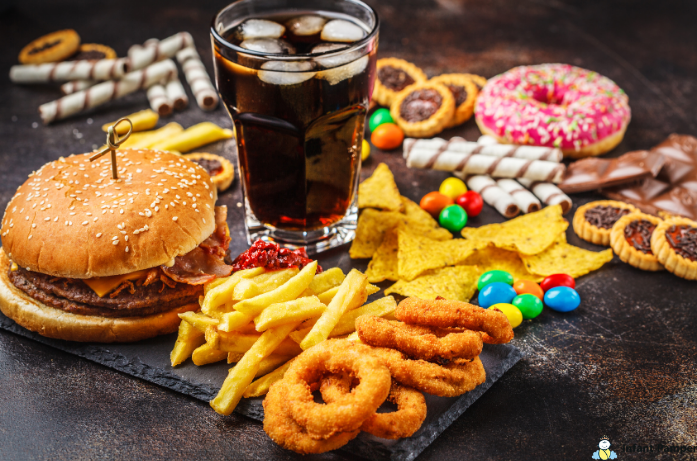
Foods to Limit or Avoid While Breastfeeding
Most foods are safe during breastfeeding, but some may need moderation or observation depending on how your baby responds.
1. Excess Caffeine
Small amounts of caffeine are generally considered safe, but excessive intake can make some babies restless or disrupt sleep.
Limiting coffee and strong tea to one or two servings a day is usually recommended.
2. Alcohol
Alcohol passes into breast milk in small amounts. Occasional intake may be manageable with careful timing, but regular consumption is discouraged by health authorities.
3. Highly Processed Foods
Packaged snacks, sugary desserts, and deep-fried foods don’t directly harm breast milk, but they may affect your energy levels, digestion, and overall recovery.
4. Very Spicy or Oily Foods
Spices don’t spoil breast milk, but heavy, oily meals may sometimes contribute to discomfort in sensitive babies. Observation is more important than strict avoidance.
This practical guidance helps clarify what foods to stay away from when breastfeeding without creating unnecessary fear around normal eating.
5. Gassy and Colic-Related Food Concerns
One of the biggest worries new parents face is baby gas or colic. While food is often blamed, the relationship is not always direct.
6. Understanding Gassiness
Gas in babies is often caused by immature digestion, swallowing air, or normal developmental changes, not necessarily maternal diet.
That said, some mothers notice patterns where certain foods seem to coincide with fussiness. Commonly suspected items include cabbage, cauliflower, onions, beans, and carbonated drinks. These are often discussed as gassy foods to avoid when breastfeeding, but reactions vary widely.
7. Colic and Diet
Colic is complex and not fully understood. In rare cases, proteins from dairy or other foods may contribute to discomfort in sensitive infants. This is why some parents explore food to avoid for colic when breastfeeding, usually under medical guidance.
Research published in the National Center for Biotechnology Information (NCBI) explains how certain animal proteins can affect some breastfed infants, emphasizing that any changes should be individualized for each child and based on evidence.
It’s important not to self-eliminate large food groups without professional advice, as unnecessary restriction can affect maternal nutrition and mental health.
Everyday Meal Ideas for Nursing Mothers
Instead of focusing on “allowed” and “forbidden” foods, it helps to think in terms of nourishing meals.
- Breakfast: Oats with fruit and nuts, or eggs with whole-grain toast
- Lunch: Rice or roti with lentils, vegetables, and curd
- Snacks: Fruit, yogurt, roasted nuts, or homemade snacks
- Dinner: Balanced plate with grains, protein, vegetables, and healthy fats
This simple structure naturally supports foods to eat during breastfeeding without complicated planning.
Hydration: The Often Overlooked Factor
Fluid intake plays a role in overall health and comfort while breastfeeding. You don’t need to force excessive water, but drinking to thirst is essential.
Water, milk, soups, coconut water, and herbal drinks (approved by your healthcare provider) can all help maintain hydration.
Signs you may need more fluids include dark urine, headaches, or feeling unusually tired.
Common Breastfeeding Diet Myths
Myth: You must eat bland food
Truth: Flavorful foods are usually fine and may help babies accept varied tastes later.
Myth: Certain foods instantly increase milk supply
Truth: Milk supply depends more on frequent feeding and effective milk removal than any single food.
Myth: You should avoid all allergenic foods
Truth: Avoidance is only necessary if a clear reaction is identified.
Final Thoughts
Breastfeeding already asks so much of you physically, emotionally, and mentally. Adding stress about food can feel overwhelming. Remember, your goal is not to eat perfectly, but to eat regularly, adequately, and with kindness toward yourself.
Trust your body and gently observe your baby. Occasional fussiness or gas is often normal and not always linked to your diet. Make small changes only when there is a clear, repeated reason, and avoid unnecessary food restrictions.
At Infant Pamper, we believe breastfeeding nutrition is about nourishment, not limitation. When you focus on balance, variety, and listening to your instincts, you are already doing a wonderful job.
Frequently Asked Questions
1. Do I need to avoid specific foods completely while nursing?
Most mothers do not need to avoid foods entirely. Watching your baby’s reactions over time is far more helpful than following strict or long restriction lists.
2. Can my diet affect my baby’s sleep patterns?
Sometimes, yes especially if caffeine is consumed in excess. However, many sleep changes are part of normal infant development and not related to what you eat.
3. Is it normal for my baby to feel gassy even if I eat carefully?
Yes, very normal. A baby’s digestive system is still developing, and gas is common regardless of a mother’s diet.
4. Should I stop eating a food if my baby is fussy once?
Not necessarily. Occasional fussiness can have many causes. Consider dietary changes only if you notice a clear, repeated pattern.
5. Is it okay if my breastfeeding diet isn’t perfect every day?
Absolutely. Breast milk continues to provide excellent nutrition even when your meals are not ideal, so consistency matters more than perfection.
Medical Disclaimer: This article is intended for educational purposes only and does not replace professional medical advice. Every mother and baby is unique. If you notice persistent symptoms in your baby or have concerns about your diet, please consult a qualified healthcare provider or lactation consultant.