
By a Caring Mom at Infant Pamper
Pregnancy brings joy, expectation, and a hundred new symptoms you noway anticipated. One of those unexpectedly common, and frequently frustrating, symptoms is headaches. numerous women notice headaches for the first time after getting pregnant, especially in the early weeks when hormones change wildly. However, “Can pregnancy cause headaches?”, the truthful answer is yes. If you’ve been wondering. gestation can absolutely spark mild to severe headaches due to hormonal shifts, blood inflow changes, physical stress, and several other gestation-specific factors.
some can be more worrying, especially if they’re unforeseen, severe, or accompanied by vision changes. This companion will help you understand why headaches be, what they mean, when to worry, and which safe remedies can help you feel more better.
Can Pregnancy Cause Headaches? Understanding Why They Be
Headaches are very common in pregnancy and can start as beforehand as week 4 or 5. As your body adjusts to rising hormone situations, new nutritive requirements, and increased blood inflow, headaches can appear especially if you’re tired or dehydrated. For some women, these early headaches are indeed one of the first signs of pregnancy.
Others may witness them more in the third trimester due to poor sleep, posture changes, or physical strain. Headaches can do at any stage, and croakers. may validate them using the headache in pregnancy ICD- 10 law O 26.8, which simply indicates pregnancy- related headaches.
What Causes Headaches During Pregnancy?
The truth is, there is not just one cause. Headaches during pregnancy can be touched off by a blend of physical, hormonal, and emotional changes. Then are the major reasons
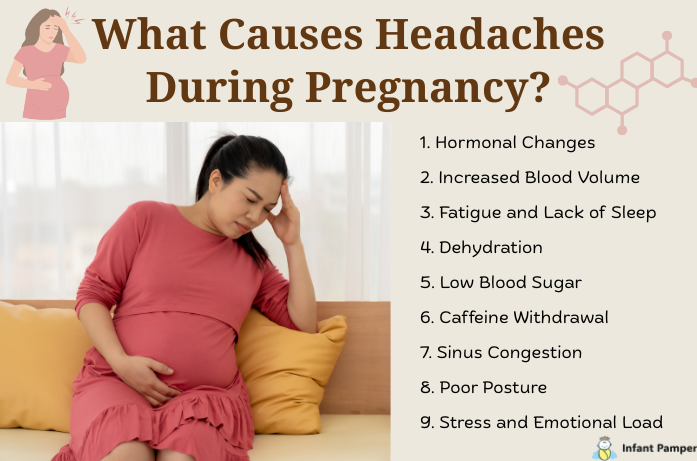
1. Hormonal Changes: This is the biggest reason headaches appear beforehand in pregnancy Rapid harpoons in estrogen influence brain chemicals and blood vessels, making the head more sensitive to pain.
2. Increased Blood Volume: Your blood volume increases by as much as 40 – 50, which can expand blood vessels in the brain and beget headaches that feel pressure- suchlike or throbbing.
3. Fatigue and Lack of Sleep: Between nausea, bathroom trips, and pregnancy discomfort, many women do not sleep well. Fatigue alone can spark tension headaches.
4. Dehydration: Pregnant women need more fluids. Even mild dehydration can lead to headaches, dizziness, and dry mouth.
5. Low Blood Sugar: If morning sickness keeps you from eating or if you skip refections, low glucose situations can snappily affect in headaches.
6. Caffeine Withdrawal: If you suddenly cut down coffee or tea, pullout headaches can appear for days or weeks.
7. Sinus Congestion: Pregnancy rhinitis (nasal lump and dryness) can beget sinus pressure and headaches, especially behind the forepart and eyes.
8. Poor Posture: As your belly grows, your center of graveness shifts. This can produce neck pressure, leading to headaches at the reverse of your head, a common type called Pregnancy headache reverse of head.
9. Stress and Emotional Load: Pregnancy changes everything, your body, your routine, your sleep, your identity. Stress can easily translate into tension headaches.
Are All Pregnancy Headaches the Same? Types You Should Know
Pregnancy can spark several types of headaches, and understanding the difference helps you know when commodity is normal and when you should seek help.
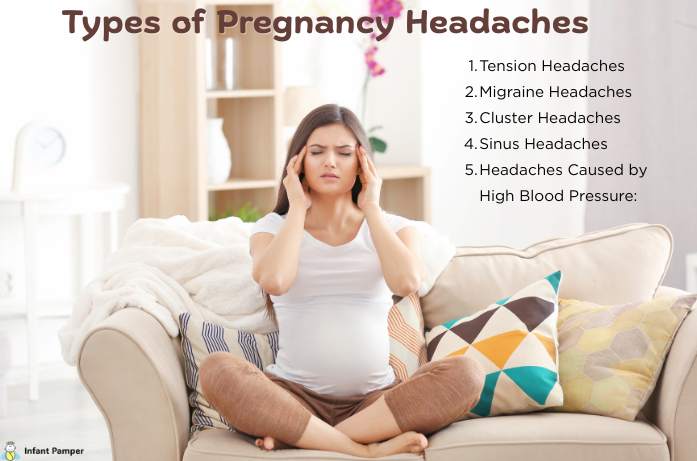
Tension Headaches: These are the most common. They feel like a tight band belting around your head or pressure on both sides. Stress, posture, and fatigue are the usual triggers.
Migraine Headaches: If you’ve had migraines before pregnancy, they may get better, or worse. Migraines beget palpitating pain on one side of the head, perceptivity to light, and occasionally nausea. numerous women also witness migraine with air, which includes visual flashes or spots.
Cluster Headaches: Rare but violent. Cluster headache pregnancy cases involve sudden, severe pain around one eye or tabernacle. They may come in cycles and can be extremely painful.
Sinus Headaches: rhinitis can make sinuses swell, causing pressure behind the cheeks, forepart, and nose.
Headaches Caused by High Blood Pressure: This is the most concerning type, especially after 20 weeks. A sudden, terrible headache accompanied by blurred vision or swelling in the face may indicate preeclampsia. Seek medical help immediately.
Headaches in Different Stages of Pregnancy
First Trimester: Early pregnancy headaches are extremely common because hormone situations rise snappily. Fatigue, nausea, and dehumidification also contribute.
Second Trimester: This is generally the “ smoothest ” period, but some mothers experience headaches in pregnancy at 17 weeks, frequently related to posture changes or stress.
Third Trimester: Late-pregnancy headaches generally be due to
- Posture strain
- Poor sleep
- Increased weight
- High blood pressure concerns
Any third-trimester headache that feels unusual, severe, or patient should be checked by a doctor.
What Does a Terrible Headache in Pregnancy Mean?
A severe headache might not mean anything dangerous, but it should never be ignored. A terrible headache in gestation, especially if unforeseen, palpitating, or accompanied by blurred vision, can be a warning sign of preeclampsia.
Other warning symptoms include:
- Extreme swelling in face or hands
- Bright spots or flashing lights in vision
- Pain under the ribs
- briefness of breath
If any of these occur, call your doctor right away.
Do Headaches Mean You’re Having a Boy or Girl?
One of the most popular myths is that headaches during pregnancy boy or girl predictions can tell the baby’s gender. According to myth, further headaches might mean you’re carrying a boy because of advanced testosterone situations. Scientifically, there’s no substantiation supporting this, but it’s still a fun old women tale numerous mothers talk about.

Safe Headache Relief During Pregnancy
Utost moms want to avoid medication during pregnancy, which makes natural remedies a great first choice. Then are some gentle, safe styles that frequently help
Hydrate Regularly: Drink small drafts throughout the day rather than large quantities at formerly.
Eat Frequent Small Snacks: This prevents blood sugar dips. Bananas, nuts, yogurt, and whole grains are great choices.
Use a Cold or Warm Compress: Cold packs help migraines; warm packs help tension headaches.
Improve Posture and Stretch Daily: Especially if your headache is at the reverse of your head, stretching your neck and shoulders can reduce strain.
Try Magnesium: numerous women profit from magnesium for headaches pregnancy, as magnesium supports muscle relaxation and whim-whams function. Always check with your doctor for proper lozenge.
Sleep and Rest frequently: Indeed a short nap can reduce triggers.
Reduce Screen Time and Harsh Lighting: Bright light frequently worsens headaches and migraines
What to Take During Pregnancy for Headache (Safely)
Before taking any medicine, talk to your doctor or midwife. still, utmost healthcare providers consider acetaminophen (Tylenol) safe during gestation when used rightly. Avoid ibuprofen, aspirin, and naproxen unless specifically specified.
For severe migraines, some doctors may recommend gestation-safe migraine specifics, but these must be taken only under medical supervision.
Some women also profit from supplements like magnesium or vitamin B2, but again, doctor blessing is essential.
When Should You Worry About Headaches During Pregnancy?
Although utmost headaches are harmless, certain symptoms require critical medical care
- patient headache that does not ameliorate
- Severe headache suddenly appearing
- Vision changes, blurring, flashing lights, dark spots
- High blood pressure
- lump in face and hands
- Pain in upper tummy
- Difficulty breathing
- Headache accompanied by fever
These symptoms can be linked to preeclampsia, high blood pressure diseases, or infections.
You should also seek help if
- You’ve never had migraines but suddenly develop them
- You witness neurological symptoms like numbness
- You have a history of blood clotting issues
Final Thoughts
Still, try not to horrify, If you’ve been dealing with regular headaches. For utmost women, headaches are simply a part of normal gestation changes. harkening to your body, staying doused, eating constantly, managing stress, and getting enough rest can make a huge difference.
But always trust your instincts, if your headache feels different, severe, or “not normal” it’s worth reaching out to your healthcare provider. Your comfort and your baby’s safety matter.
At Infant Pamper, we’re then to support you with gentle, wisdom- backed guidance through every step of this inconceivable trip.
FAQs About Pregnancy Headaches
1. Are headaches normal in early pregnancy?
Yes. Hormonal changes frequently beget headaches in the first trimester.
2. What is the headache in pregnancy ICD-10 code?
Doctors may use the law O26.8, which refers to other pregnancy-related symptoms including headaches.
3. Is magnesium safe for pregnancy headaches?
Many doctors recommend magnesium for relieving headaches, but a healthcare provider should authorize lozenge.
4. Why do I have a pregnancy headache at the back of my head?
Neck pressure and posture changes are common causes in the third trimester.
5. Can headaches predict baby gender?
No scientific evidence exists, indeed though old myths suggest further headaches mean a boy.
6. Are cluster headaches dangerous during pregnancy?
Cluster headaches are extremely painful but not generally dangerous. Still, consult your doctor for safe treatment options.
Want more gentle, trustworthy guidance through every stage of pregnancy? Explore more expert-backed articles at Infant Pamper and feel supported every step of the way.