By a Caring Mom at Infant Pamper
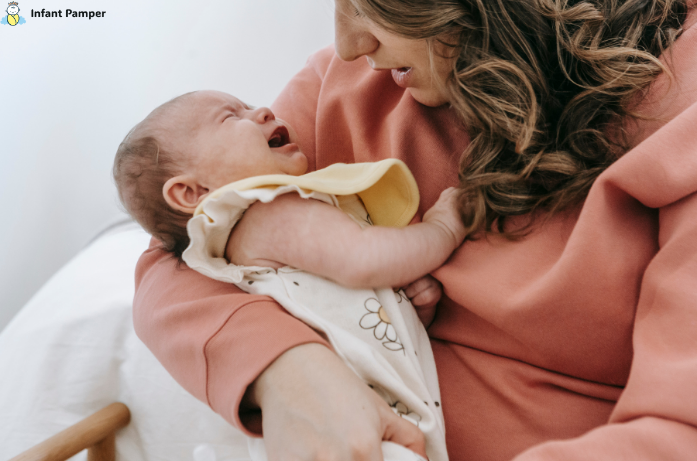
Feeding time is an experience that brings a mix of joy and anxiety to all new parents. You carefully breastfeed or bottle-feed your baby, hoping they will be full and then cuddle up for a while, but instead, you’re faced with crying. If you’ve ever wondered, “Why does my baby cry after feeding?”, you are not alone.
Baby crying after feeding is one of the major concerns for parents. The reason is usually the same and temporary, be it baby crying after breastfeeding or baby crying after bottle feeding. In a lot of cases, it takes just a little time and sometimes the help of a little patience for the developing tummy and digestive system of your baby to settle comfortably.
Let’s explore the most common causes, what you can do to soothe your little one, and when it’s best to call your doctor.
Understanding Why Babies Cry After Feeding
Crying is the primary communication channel of your baby. If your baby is crying after feeding, it usually doesn’t indicate an error on your part; it is just a baby’s way of saying, “I’m uncomfortable.”
The reasons can be very different from gas problems in newborns after feeding, mild reflux, or just an incorrect feeding flow that is too fast or too slow. Both breastfed and formula-fed babies suffer often from this at some point, particularly in the first few months of life. According to the Cleveland Clinic, infant reflux happens because the digestive tract is still maturing.
The comforting news? As your baby grows and their digestion improves, these post-feeding tears usually fade away on their own.
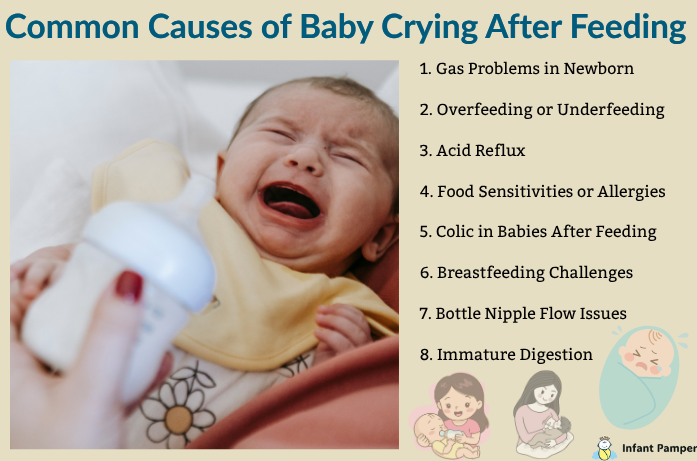
Common Causes of Baby Crying After Feeding
1. Gas Problems in Newborn After Feeding
One of the most common reasons for a baby to cry after feeding is trapped gas. Newborns tend to swallow air while feeding, especially if their mouth isn’t open properly or their bottle nipple lets in excess air. These air bubbles can cause pressure and pain, causing your baby to squirm in discomfort. Gas is one of the contributing factors in infant fussiness and colic.
Symptoms include arching the back, pulling the legs toward the stomach, and crying immediately after feeding. You can help by burping your baby between feeds and after each feed. Afterward, hold him upright for about 10-15 minutes and gently rub his tummy in a circular motion. Keeping his head slightly above his stomach during feedings also helps prevent excess air from being swallowed.
2. Overfeeding or Underfeeding
Just like adults, babies can become restless from overfeeding or underfeeding. Overfeeding can cause a baby’s stomach to become very uncomfortable and sometimes even cause vomiting. On the other hand, malnutrition can cause your baby to become irritable and fussy because he or she may still be hungry.
If your baby is turning away, vomiting frequently, or seems bloated, they’re probably full. If they’re asking for more milk, sucking on their hand, or crying immediately after a feed, they may be underfed.
The best way to deal with this situation is to pay attention to your baby’s hunger cues rather than following a set schedule. Take your time during feedings, let your baby rest a bit, and if you’re breastfeeding, check if your baby is latching on well and switch sides.
3. Acid Reflux (GER or GERD)
Baby crying during feedings is sometimes caused by acid reflux, when milk stored in the stomach flows back up into the esophagus. While spitting up a little is common, excessive crying, back arching, and vomiting after feedings can be signs of acid reflux.
Try feeding smaller amounts more often and keep your baby upright for 20–30 minutes after meals. Also, avoid tight clothing or diapers that press on the tummy. If symptoms persist or your baby isn’t gaining weight well, consult your pediatrician.
The National Institutes of Health and pediatric specialists note that if reflux symptoms persist or cause poor weight gain, your doctor may check for gastroesophageal reflux disease (GERD) and guide you toward gentle treatment.
4. Food Sensitivities or Allergies
If your baby crying frequently after breastfeeding, it could be due to a food sensitivity. Cow’s milk, soy, or egg proteins in your diet can pass into your breast milk and cause stomach upset in your baby. Even formula-fed babies can develop allergies to specific milk formulas.
According to the Mayo Clinic, watching for rashes, eczema, diarrhea, or blood in the stool. Always consult your pediatrician before making any changes in your diet or when switching formulas. If needed, your doctor might recommend a hypoallergenic formula or a short elimination diet.
5. Colic in Babies After Feeding
Colic in babies after feeding is another reason for prolonged baby crying. Colic usually appears around three weeks of age and peaks near six weeks. It’s marked by intense crying for more than three hours a day, several days a week, lasting for weeks at a time.
While the cause is not fully understood, digestive issues, gas, or overstimulation are believed to play a role. Try to soothe your baby by gently rocking, making noise, or placing a warm towel on their stomach. Offering a pacifier and holding them close can also help. Colic usually peaks by six weeks and improves naturally by three to four months with supportive care and soothing techniques.
6. Breastfeeding Challenges: Fast Let-Down or Slow Flow
If your baby cries after breastfeeding, milk flow may be part of the problem. Some mothers have a fast let-down, which can make milk flow too quickly, causing the baby to gulp air. Others may have a slow flow, leaving the baby frustrated and crying for more.
If your milk lets down too fast, try expressing a bit before feeding or nurse in a reclined position. For slow flow, feed more frequently to build supply. Don’t hesitate to reach out to a lactation consultant for personalized support.
For additional support and guidance, organizations like La Leche League UK provide expert-backed tips on managing milk flow and ensuring comfortable feeding for both mother and baby.
7. Bottle Nipple Flow Issues
When you see baby crying after bottle feeding, the culprit could be the bottle itself. If the nipple flow is too fast, babies gulp and swallow air. If it’s too slow, they tire out and get frustrated.
Check the nipple flow suited for your baby’s age. Make sure the nipple stays filled with milk to prevent swallowing air, and replace worn or cracked nipples regularly. These small changes can make feeding smoother and calmer.
8. Immature Digestion
Newborns have sensitive, still-developing digestive systems. Sometimes, a baby crying after feeding is just their way of adjusting to processing milk. Their stomach and intestines need a few months to mature. Gentle tummy rubs, slow-paced feeding, and plenty of burping can make digestion easier until they grow out of it.
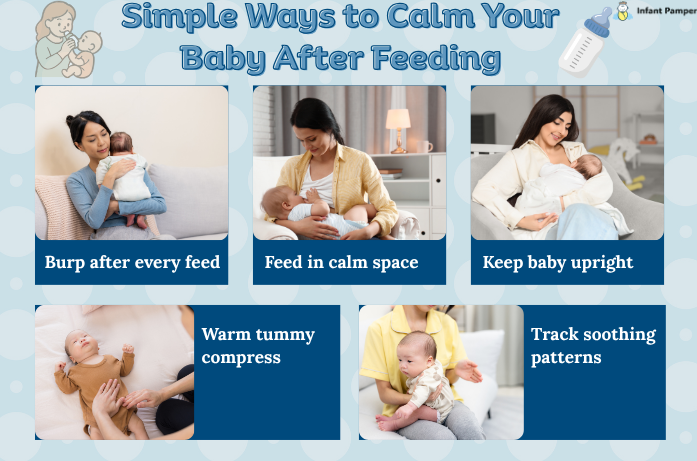
Simple Ways to Calm Your Baby After Feeding
- Burp Often: During and after each feeding.
- Feed Calmly: Create a quiet, low-light environment.
- Upright Position: Keep baby’s head higher than the stomach.
- Warm Compress: Place on the tummy to relieve gas pain.
- Track Patterns: Gas pain’s relief with tummy placement.
Consistency is key, small adjustments can bring big relief.
When to Call the Doctor
While most baby crying after feeding is harmless, seek medical advice if you notice:
- Vomiting green/yellow fluid or projectile vomiting
- Not feeding or gaining weight poorly
- Blood in stool or persistent diarrhea
- Blood in stool or persistent diarrhea
- Continuous crying that does not respond to soothing
How Long Does This Phase Last?
The good news is, it doesn’t last forever. At around 3 to 4 months most babies will stop crying after feeding. As their digestive system matures and feeding becomes easier those tears during post-meal time gradually disappear.
Till then, be patient and gentle with yourself. Every baby is different and you’re doing your best.
Final Thoughts
Whether your newborn’s gassy after feedings, stomach pain immediately after a feed, or a slight change in the feeding routine, crying after feedings doesn’t last long in most cases. With loving care, attentiveness, and a few adjustments, your baby will soon be nursing and nursing happily and without fuss.
All parents go through that stage, and you’re not the only one. With time, your feeding periods will gain the calmness that you’ve been hoping for and will be filled with the peace.
FAQs: Baby Crying After Feeding
1. Is it normal for babies to cry after every feeding?
Yes. The majority of babies in the first months will cry because of gas, overfeeding, or mild reflux.
2. Why does my baby cry after breastfeeding but not bottle feeding?
Your milk flow might be too fast or too slow, or the baby may have gas from swallowing air during latching.
3. What can I do if my baby cries after bottle feeding?
Inspect the nipple flow, give your baby frequent burps, and hold him or her in an upright position after the feeding.
4. How long does post-feeding crying last?
The major part of the babies will not be bothered by it anymore in about 3 to 4 months when their digestive system becomes more mature.
Feeding time should be a moment of love, not stress. If your little one is fussy, know that this phase will pass. Explore more caring guides and practical parenting tips at Infant Pamper, your trusted companion in baby care and parenting joy.
Disclaimer: This article is for informational purposes only and should not replace professional medical advice. Always consult your pediatrician about any feeding or health concerns.
For more helpful tips on your baby’s feeding and sleep routines, check out these resources:
Breastfeeding and Sharp Nipple Pain
Foods to Eat and Avoid While Breastfeeding