Designing baby products today requires more than simply adding features or following trends. Parents interact with baby gear many times each day, often in fast-moving situations such as stepping out for errands, travelling across the city, or managing everyday routines at home. Because of this, thoughtful baby gear design increasingly begins with understanding real parenting experiences.
Many brands now observe how families move through their daily lives before designing new products. These observations often reveal small but meaningful moments where improvements can make a difference. For example, parents frequently shift between indoor and outdoor environments throughout the day. They might move from home to the car, from the car to a park, or from a café back to the street. During these transitions, baby gear needs to remain simple, reliable, and easy to manage.
Strollers are one of the most visible examples of this design approach. During walks or errands, a stroller becomes a comfortable place for the baby while allowing parents to move freely. Parents often notice whether the stroller moves smoothly, how stable it feels on different surfaces, and whether it can be folded quickly when needed.
The Loopie Hop stroller reflects many of these everyday considerations. It includes a one-hand fold and self-balancing mechanism designed to simplify handling when parents are managing several tasks at once. Small details like these can make daily movement smoother and more predictable.
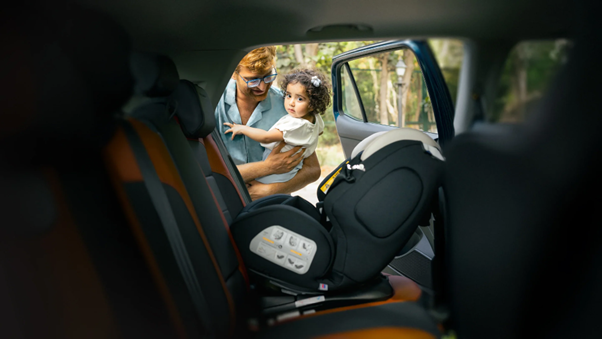
Car travel introduces another set of everyday situations. Parents frequently move between short drives, school runs, grocery trips, and longer journeys. Because children grow quickly, car seats must adapt to different stages of development.
Multi-stage car seats are increasingly preferred because they support several growth phases within the same product. Instead of replacing the seat multiple times, parents can rely on one design that adjusts as the child grows.
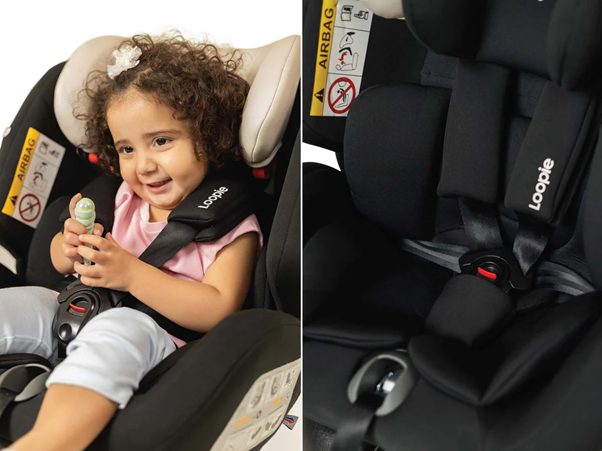
Loopie’s multi-stage car seats follow this approach by offering configurations that support infants, toddlers, and older children. This allows families to use the same seat across several years of travel while maintaining consistent support and safety.
Another important part of everyday parenting is reliability. Parents appreciate products that perform consistently without requiring constant adjustments. Smooth wheels, balanced frames, and secure harness systems help ensure that baby gear remains dependable during daily use.
Ultimately, baby gear design is most effective when it reflects real parenting routines. By observing how families move through their day and identifying practical improvements, designers can create products that quietly support everyday life.
When baby gear aligns with real parenting experiences, it becomes less about managing equipment and more about helping families move comfortably through their daily routines.
As you explore thoughtfully designed baby gear, it can also help to understand which essentials truly make everyday parenting easier. If you’re building your checklist, this guide on must-have baby products for new parents offers practical insights into items that support comfort, convenience, and smoother daily routines for new parents.