Authored by: A Caring Mom at Infant Pamper
The postpartum period is a beautiful yet challenging time for new mothers. As your body heals from childbirth, you will go through various physical and emotional changes. Knowing how to navigate the postpartum recovery journey is essential for your health and well-being. The key to a smooth recovery is understanding the right steps to take and giving yourself the time and care you need. Whether you are dealing with postpartum recovery products, adjusting to a new routine, or seeking helpful postpartum recovery tips, this guide will support you through the process.
In this article, we’ll explore postpartum recovery tips to ensure that your healing process is as smooth and successful as possible. From postpartum recovery kits to dietary recommendations, we will cover it all to help you feel your best during this significant transition.
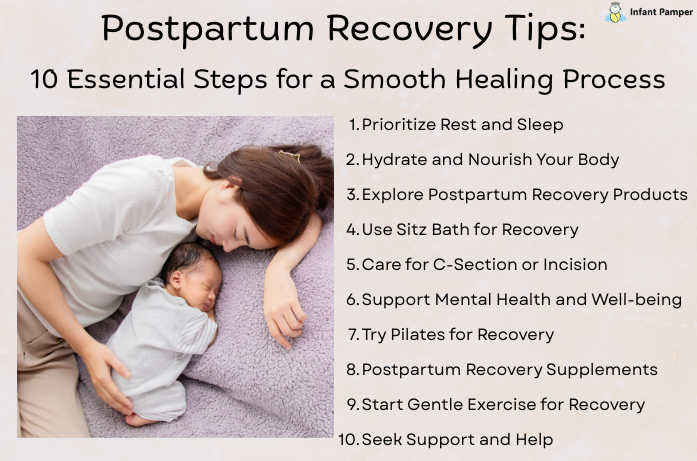
1. Prioritize Rest and Sleep
One of the most crucial aspects of postpartum recovery is ensuring that you get enough rest. Sleep deprivation can feel overwhelming, especially when caring for your newborn. However, adequate sleep is vital for your body to heal and your mental health to stay balanced. The American Pregnancy Association also emphasizes that proper rest helps manage physical and emotional recovery in the early postpartum stages.
Take naps when you can. If someone offers to help with your baby, use the time to rest. Small breaks throughout the day can make a huge difference in how you feel.
2. Hydrate and Nourish Your Body
Your body has been through a lot during pregnancy and childbirth, so hydration and proper nutrition are key to a healthy recovery. Drinking plenty of water and eating nutritious foods will help replenish your energy and support the healing process.
Best Foods for Postpartum Recovery: Incorporate foods that are rich in vitamins, minerals, and protein, such as leafy greens, whole grains, and lean proteins. Consider adding healthy fats like avocados and omega-3 fatty acids found in salmon to support your postpartum recovery diet. The Cleveland Clinic highlights the importance of maintaining a balanced diet in the first months after birth.
Avoid processed foods and focus on meals that will fuel your body and keep your energy levels stable. Choosing healthy breakfast foods can also help support your recovery and maintain your energy throughout the day.
3. Consider Postpartum Recovery Products
There are several postpartum recovery products available to ease your healing journey. These can include items such as maternity pads, perineal sprays, and postpartum belly bands. Investing in these products can provide comfort and convenience as your body heals.
A postpartum recovery kit that includes these essentials can be helpful. Stocking up on pads, cooling gels, and comfy clothing will make it easier to navigate your first few weeks postpartum.
4. Use a Sitz Bath for Postpartum Recovery
One of the best ways to relieve discomfort after vaginal delivery is by using a sitz bath for postpartum recovery. A sitz bath involves sitting in a shallow basin of warm water, which can help soothe soreness, reduce swelling, and promote healing in the perineal area.
You can add soothing ingredients like Epsom salts or witch hazel to the sitz bath for added relief. Just be sure to follow your doctor’s advice on when it’s appropriate to begin using a sitz bath.
5. Take Care of Your C-Section or Vaginal Incision
If you had a C-section or any other surgical procedure during childbirth, taking care of your incision is a crucial part of your postpartum recovery. Keeping the area clean and dry will prevent infections and help the wound heal properly. For C-section moms, following NIH guidelines for wound care and hygiene is essential.
Follow your doctor’s instructions carefully. For vaginal deliveries, be sure to monitor for any unusual discharge or signs of infection. If you experience pain or discomfort at the incision site, reach out to your healthcare provider for guidance.
6. Mental Health and Emotional Well-being
Physical recovery is only one part of the postpartum experience. The emotional changes you undergo are equally important. Postpartum preeclampsia recovery can be particularly challenging for mothers who experienced complications during pregnancy. It’s essential to be kind to yourself and seek support when needed. Mayo Clinic suggests that mental health during the postpartum period should be taken as seriously as physical recovery.
If you feel overwhelmed, anxious, or sad, consider talking to a counselor or support group. Connecting with other new mothers or seeking professional help can help ease the emotional burden.
7. Try Pilates for Postpartum Recovery
Pilates for postpartum recovery is an excellent way to restore strength and stability to your body. This low-impact exercise focuses on strengthening the core and pelvic muscles, both of which are essential for your overall well-being after childbirth.
Once you’ve received clearance from your doctor, begin with gentle pilates exercises that target the pelvic floor, lower back, and abdominal muscles. These exercises can help improve posture, support your pelvic floor, and relieve back pain.
8. Postpartum Recovery Supplements
To support your body’s healing after childbirth, postpartum recovery supplements can be helpful, especially if your diet lacks certain nutrients. Here’s a quick breakdown:
Key Supplements:
- Iron: Replenishes iron lost during childbirth, combats fatigue. Learn more about following a high-iron diet to naturally restore iron levels after delivery.
- Calcium: Supports bone health and prevents density loss, especially during breastfeeding.
- Vitamin D: Helps with calcium absorption and supports immune function.
- Magnesium: Reduces muscle cramps and promotes relaxation.
- Omega-3 Fatty Acids: Supports brain health and reduces postpartum depression risk.
Foods to Include:
- Leafy Greens (Spinach, Kale): Rich in iron, folate, and calcium.
- Salmon: High in omega-3s for brain and emotional health.
- Fortified Dairy or Plant Milks: Provides calcium and vitamin D.
- Eggs: Source of vitamin D, protein, and healthy fats.
- Nuts and Seeds (Almonds, Chia): Rich in magnesium and omega-3s.
Always consult your doctor before taking supplements to ensure they’re safe for you. A balanced diet, alongside supplements, will support your recovery.
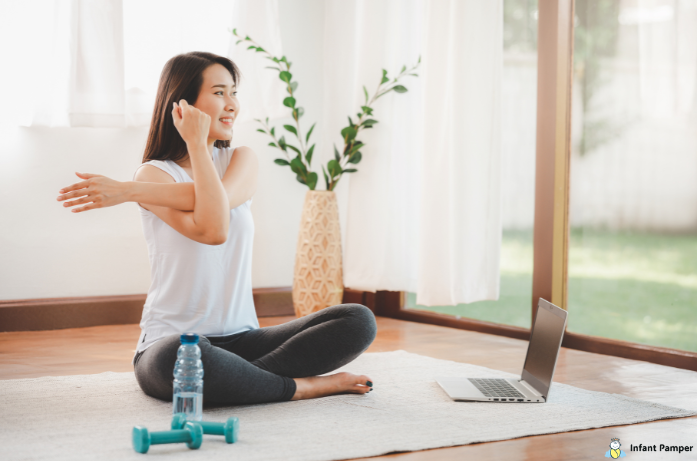
9. Get Moving with Gentle Exercise
As you start to feel stronger, gentle exercise can help you regain your energy and promote circulation. Tips for postpartum recovery suggest that starting with light walking or stretching is ideal. This will help your body adjust and feel more energized.
Once you’re cleared by your doctor, try walking, light stretching, or postnatal yoga. These exercises will help with your recovery and contribute to your mental and physical well-being.
10. Seek Help and Support
Don’t be afraid to ask for help during your postpartum recovery journey. Whether it’s your partner, family, or friends, having a support system in place will reduce stress and allow you to focus on your healing.
A support system can be crucial for mental health recovery, especially if you’re dealing with postpartum preeclampsia recovery or any other complications. Don’t hesitate to ask for assistance with household chores, meals, or childcare.
FAQs About Postpartum Recovery
1. What are the most important postpartum recovery tips?
The most important tips include prioritizing rest, staying hydrated, eating nutritious foods, and using postpartum recovery products like a recovery kit. It’s also essential to care for any incisions or stitches and monitor your emotional health.
2. Can I start exercising right away after childbirth?
No, it’s essential to wait until your doctor clears you for exercise. Start with gentle movements like walking or stretching, and gradually incorporate activities like pilates or yoga for postpartum recovery once you’re ready.
3. How long does it take for postpartum recovery to be complete?
Postpartum recovery varies for each individual, but it typically takes about six weeks for the body to start fully recovering. However, emotional and physical recovery can continue for several months. Be patient with yourself during this process.
4. What should I include in my postpartum recovery kit?
A postpartum recovery kit should include items like maternity pads, perineal spray, ice packs, nursing bras, and comfortable clothes. You might also want to include postpartum supplements or pain relievers, based on your doctor’s advice.
5. What are the best foods for postpartum recovery?
The best foods for postpartum recovery include whole grains, lean proteins, fruits, and vegetables. Foods rich in iron, fiber, and omega-3 fatty acids are particularly beneficial for healing and boosting energy levels.
Conclusion
Recovering from childbirth takes time, patience, and self-care. If you’re planning another pregnancy in the future, our guide on early pregnancy symptoms may also be helpful. By following these postpartum recovery tips, you can ensure a smoother healing process. Whether it’s using a postpartum recovery kit or incorporating pilates for postpartum recovery, each step will help you feel stronger and more balanced as you heal.
Remember, it’s important to ask for help, take breaks, and prioritize your health. Healing is a journey, and your body deserves the time and attention it needs. If you found this guide helpful, don’t forget to subscribe for more tips and support on your postpartum recovery.
If you found this guide helpful, don’t forget to subscribe to Infant Pamper for more expert advice, tips, and support on your postpartum journey.