Authored by: A Caring Mom at Infant Pamper
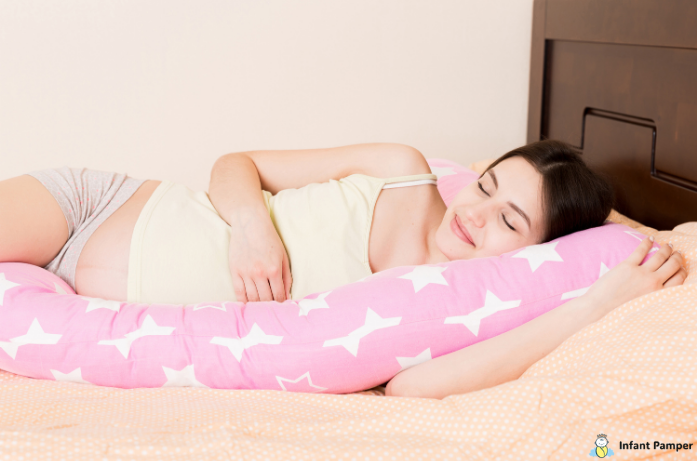
Pregnancy has a beautiful way of changing everything, including how you sleep. As your belly grows and your body shifts, nights that once felt restful can suddenly feel long and uncomfortable. Learning how to sleep with a pregnancy pillow can be a true turning point during this phase. For many expecting moms, a pregnancy pillow becomes more than just bedding, it becomes nightly support for the body, mind, and emotions.
At Infant Pamper, we know that getting good sleep during pregnancy is not about perfection; it’s about comfort, security, and listening to your body. This guide is written to help new and expectant parents understand how to use a pregnancy pillow correctly, which positions work best, and how to adapt as your pregnancy progresses. Everything shared here is done with care, honesty, and practical experience, just like advice from another mom.
Why Sleep Feels So Different During Pregnancy
Sleep problems during pregnancy are very common, and it’s not because you’re doing anything wrong. Hormonal changes cause ligaments to loosen, especially in the hips and pelvis. Your growing uterus changes your posture and center of gravity. Add to that frequent trips to the bathroom, heartburn, leg cramps, and an active baby, and suddenly getting uninterrupted sleep seems impossible.
Doctors often recommend side sleeping to support circulation and comfort, but staying in one position all night can be hard. You may also find our guide on when should I stop sleeping on my back during pregnancy helpful for understanding safe sleep positions as your pregnancy progresses.
What Is a Pregnancy Pillow and Why It Helps
A pregnancy pillow is designed specifically to support the body through the physical changes of pregnancy. Unlike regular pillows that support just one area, pregnancy pillows are shaped to align the spine, cradle the belly, and reduce pressure on joints.
Used correctly, a pregnancy pillow can:
- Support the natural curve of your spine
- Reduce hip, back, and pelvic discomfort
- Help maintain side-sleeping comfortably
- Prevent rolling onto the back during sleep
- Encourage longer, deeper rest
Many moms find that once they adjust to using one, it becomes difficult to sleep without it, even after pregnancy.
Types of Pregnancy Pillows and Their Uses
Understanding pillow shapes can help you feel more confident using one.
C-shaped pillows wrap around your body and support the head, belly, and knees while leaving room to adjust positions.
U-shaped pillows provide full-body support on both sides and are ideal for moms who toss and turn.
J-shaped pillows focus on belly and neck support and are easier to manage in smaller beds.
No matter the shape, the goal remains the same: to help your body fully relax while maintaining proper alignment.
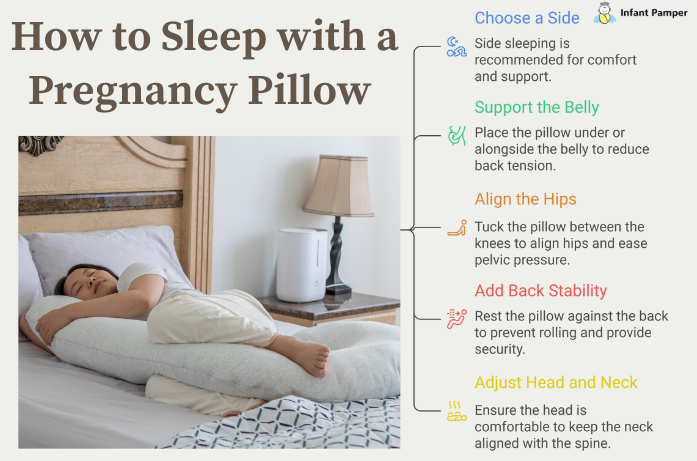
How to Sleep with a Pregnancy Pillow (Step-by-Step Guide)
Step 1: Choose a Side
Side sleeping is widely encouraged during pregnancy. Either side can be comfortable, especially with proper support.
Step 2: Support the Belly
Place the pillow under or alongside your belly to reduce pulling and tension in the lower back.
Step 3: Align the Hips
Tuck part of the pillow between your knees. This helps keep your hips aligned and can ease pressure in the pelvis.
Step 4: Add Back Stability
Rest a portion of the pillow against your back to prevent rolling and provide a sense of security.
Step 5: Adjust Head and Neck
Ensure your head rests comfortably so your neck stays in line with your spine.
It may take a few nights to find your perfect setup, and that’s completely normal.
How to Sleep With Pregnancy Pillow for Full-Body Balance
Finding the right balance is key when using a pregnancy pillow. The pillow should feel like it’s working with your body, not forcing you into a position. Make small adjustments, move the pillow higher, lower, or closer until your body feels fully supported. Comfort during pregnancy often comes from listening closely to subtle cues rather than following rigid rules.
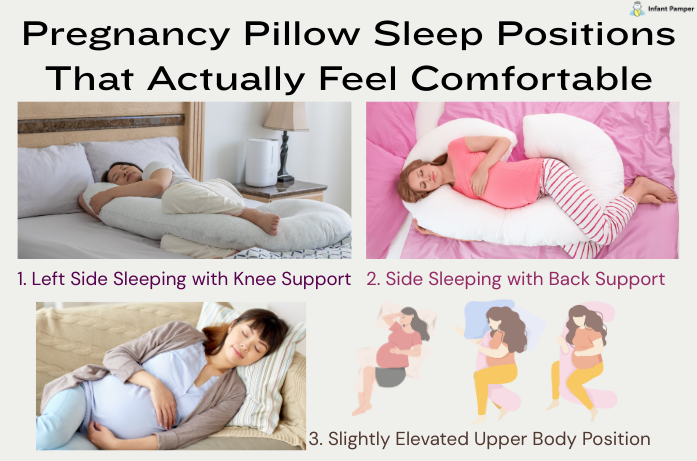
Pregnancy Pillow Sleep Positions That Actually Feel Comfortable
1. Left Side Sleeping with Knee Support
To use this position, lie on your left side and place the pregnancy pillow between your knees while allowing it to support your belly. This position helps improve blood circulation to the placenta and baby, keeps the hips properly aligned, and reduces pressure on the lower back and pelvis for better overall comfort.
2. Side Sleeping with Back Support
In this position, sleep on your side while resting part of the pregnancy pillow along your back. The pillow helps prevent rolling onto your back during sleep, provides a feeling of stability, reduces lower back pain, and supports deeper, more restful sleep throughout the night.
3. Slightly Elevated Upper Body Position
To use this position, gently elevate your head and chest with the pregnancy pillow while keeping your belly and legs supported. This setup can help relieve heartburn and shortness of breath, reduce reflux symptoms, and improve nighttime comfort as pregnancy progresses.
Gentle Ways to Adjust as Your Body Changes
Pregnancy is dynamic, and your pillow setup should be too. What feels good in the second trimester may need adjustment in the third. Don’t hesitate to experiment. Shift the pillow closer to your belly, add extra cushioning under your legs, or reposition it behind your back.
These small changes are simple ways to sleep with pregnancy pillow support that respects how your body evolves week by week.
When Should You Start Using a Pregnancy Pillow?
Many mothers-to-be often wonder when the right time is to start using a pregnancy pillow, but there’s no one-size-fits-all rule. Some women start using one in the first trimester due to back pain, bloating, or difficulty sleeping, while others wait until their belly is more prominent.
Many find they need extra support between 16 and 20 weeks, as the physical changes become more noticeable. Starting to use a pregnancy pillow before discomfort becomes significant can help maintain better posture and prevent future aches and pains, rather than trying to treat them after they’ve already started.
Getting comfortable sleeping with a pregnancy pillow takes a little time and consistent effort. Using the pillow every night allows your body to gradually adjust to the extra support, leading to muscle relaxation and improved sleep quality. Choosing a pillow that provides support to both the front and back of the body is especially helpful for those who toss and turn frequently during sleep, as it reduces the need to constantly change positions.
In the later months of pregnancy, supporting the belly and hips becomes crucial, and slightly elevating the upper body can alleviate pressure, heartburn, and breathing difficulties caused by the ongoing changes in the body.
How to Sleep in a Pregnancy Pillow Without Feeling Overwhelmed
At first, the size of a pregnancy pillow can feel awkward. If you’re wondering how to sleep in a pregnancy pillow comfortably, start slow. Use it for naps. Support just one area at a time. Over a few nights, your body will naturally settle into what feels best.
It’s okay if it feels strange initially, many good habits do.
Common Mistakes to Avoid
- Using the pillow too far from the body
- Ignoring neck alignment
- Forcing one position all night
- Giving up after one uncomfortable night
Remember, comfort is learned, not instant.
Final Thoughts
Sleep during pregnancy is rarely perfect, and most nights involve a mix of comfort and discomfort. Pairing good sleep with healthy breakfast foods for pregnancy can help support steady energy levels throughout the day. The key is to find small ways to support your changing body. A pregnancy pillow can make those nights easier by relieving pressure, supporting your growing belly, and helping you get deeper, more restful sleep.
Over time, that pillow often becomes a familiar source of comfort, something you look forward to at the end of a long day. When you listen to your body and give yourself the rest you need, you are not only taking care of yourself but also your baby, and that kind of self-care is always beneficial. Following a high-iron diet for pregnancy can also help support healthy energy levels and overall well-being during pregnancy.
Frequently Asked Questions
1. When is the best time to start using a pregnancy pillow?
The best time to start using a pregnancy pillow is whenever your body begins to feel uncomfortable. Many women find it helpful between weeks 16 and 20, but some benefit from starting earlier to prevent discomfort.
2. How can I adjust to sleeping with a pregnancy pillow?
Using the pregnancy pillow consistently each night helps your body adapt. It may take a few nights to feel natural, but regular use improves comfort and sleep quality over time.
3. What helps if I move a lot during sleep?
A pregnancy pillow that provides support on both sides of the body works well for restless sleepers. It reduces the need to constantly adjust the pillow during the night.
4. How should I use a pregnancy pillow in late pregnancy?
In the later months of pregnancy, focus on supporting your belly and hips. Elevating your upper body slightly can also help with heartburn and shortness of breath.
5. Can using a pregnancy pillow early prevent pain later?
Yes, starting early can help maintain proper alignment and reduce strain on your back and hips, potentially preventing discomfort as your pregnancy progresses.
At Infant Pamper, we are here to walk alongside you with warmth, honesty, and real-life guidance you can trust. Every parent deserves support during this journey, and with the right care and a little patience, better sleep is absolutely within reach.
For more gentle tips, helpful guides, and comforting support, follow and subscribe to Infant Pamper, we are always here for you.
Medical Disclaimer: This article is for informational purposes only and does not replace medical advice. Always consult your healthcare provider about sleep positions or discomfort during pregnancy, especially if you have existing medical conditions.