By a Caring Mom at Infant Pamper
Welcoming a baby into your life is filled with love, learning, and many small worries that no one really prepares you for. One of the most common and confusing concerns for new parents is baby gas problems. Your little one may seem perfectly fine one moment and suddenly cry, squirm, or pull their tiny legs toward their tummy the next. It can be exhausting and emotionally draining, especially when you’re unsure what’s causing the discomfort.
The reassuring truth is that gas-related discomfort is extremely common in infants, especially during the first few months of life. In most cases, it’s not harmful and improves naturally as your baby’s digestive system matures.
This detailed guide from Infant Pamper is designed to help parents and caregivers understand why gas happens, how to recognize the signs, and how to safely comfort a gassy baby without panic or pressure.

Causes of Baby Gas Problems You Should Know
Understanding baby gas problems begins with knowing how immature a newborn’s digestive system really is. Babies are still learning how to digest milk, move food through their intestines, and release trapped air. Until these systems mature, gas can easily build up and cause discomfort. Pediatric specialists from Children’s Hospital of Philadelphia explain that this digestive immaturity is one of the most common reasons newborns struggle with gas during the early weeks of life.
Here are the most common reasons gas develops in babies:
1. Swallowing Air During Feeding
Babies often swallow air while feeding. This can happen during breastfeeding if the latch is shallow, or during bottle-feeding if the nipple flow is too fast or slow. Even small amounts of swallowed air can become trapped in the stomach or intestines.
2. Immature Digestive Muscles
A baby’s gut muscles are still developing. This means baby gas may move slowly through the intestines, leading to bloating and pressure.
3. Crying and Fussiness
Crying causes babies to gulp air. Unfortunately, baby gas pain can lead to crying, which then leads to more air intake, creating a difficult cycle.
4. Feeding Patterns
Feeding too quickly, overfeeding, or inconsistent feeding routines can all contribute to trapped gas.
Signs and Symptoms of Gas Discomfort in Babies
Baby Gas discomfort can look alarming, but it usually comes and goes quickly. Sudden crying, pulling knees toward the chest, a tight or bloated tummy, clenched fists, and increased fussiness especially in the evening are all common signs. Health experts from Cleveland Clinic note that baby gas-related crying often stops suddenly once the gas passes, which helps distinguish it from other causes of discomfort.
Common signs include:
- Sudden crying, often after feeds
- Pulling knees toward the chest
- Tight or bloated tummy
- Clenched fists and stiff body posture
- Increased fussiness in the evening
- Passing gas frequently
It’s important to note that baby gas-related crying often stops suddenly once the gas passes, which can be a helpful clue for parents.
Gas in Newborns: What Makes It So Common?
Gas newborn discomfort is especially frequent in the first 6–8 weeks of life. During this time, babies are adjusting to feeding, digesting milk, and functioning outside the womb for the first time. As babies grow, sit upright more often, and develop stronger muscles, gas problems usually improve naturally.
Newborns also:
- Have weaker abdominal muscles
- Spend much of their time lying flat
- Are unable to reposition themselves for comfort
All of these factors make it harder for gas to move through the digestive system smoothly. As your baby grows, sits upright more often, and develops stronger muscles, gas problems usually improve naturally. When your little one is ready for solids, you may also find our guide on how to make broccoli puree for baby helpful.

Safe and Gentle Gas Relief for Babies
Finding effective gas relief for babies doesn’t require complex solutions. Often, small and gentle techniques make the biggest difference.
1. Burp More Often
Burping your baby during and after feeds helps release swallowed air before it moves into the intestines. Some babies benefit from being burped every few minutes during feeding. According to guidance from Healthy Children, a trusted resource by pediatric experts, proper feeding position and regular burping can significantly reduce swallowed air.
2. Keep Baby Upright
Holding your baby upright for 15–20 minutes after feeding allows gas to rise naturally and escape more easily.
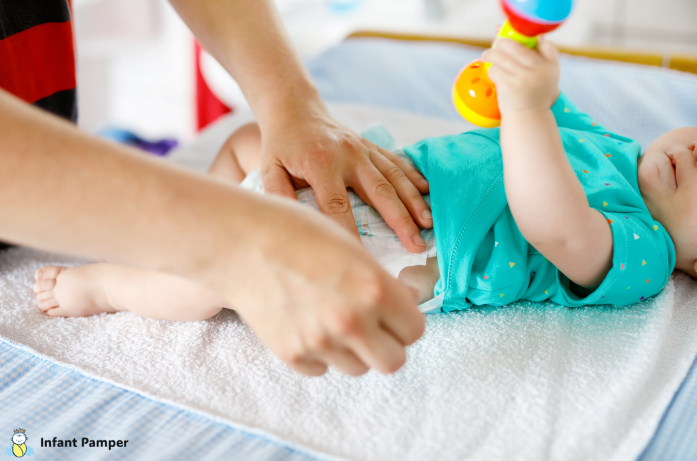
3. Gentle Tummy Massage
Using warm hands, gently massage your baby’s tummy in slow, clockwise circles. This can help move trapped gas along the digestive tract.
4. Bicycle Leg Movement
Laying your baby on their back and slowly moving their legs in a cycling motion can encourage gas to pass.
5. Calm Feeding Environment
Feeding in a quiet, relaxed space helps reduce gulping and excessive air intake.
6. Skin-to-Skin Comfort
Holding your baby close with skin-to-skin contact can provide natural warmth and calming pressure that may ease tummy discomfort.
Gassy Baby Remedies Parents Can Try at Home
Many parents find comfort in simple, consistent routines. Later, as your baby starts solid foods, our guide on how to make prune puree for baby offers gentle support for healthy digestion. These gassy baby remedies focus on prevention and gentle relief rather than quick fixes.
- Feed smaller amounts more frequently
- Watch for early hunger cues instead of waiting for crying
- Avoid over-stimulating your baby during feeds
- Ensure a proper latch or bottle seal
- Give your baby time to pause and breathe while feeding
These approaches not only reduce gas but also help babies feel more relaxed and secure during feeding times.
Baby Formula and Gas: What Parents Should Know
Some parents notice increased gas when introducing or changing formula. Baby formula gas can occur as your baby adjusts to new ingredients or digestion patterns.
This doesn’t automatically mean the formula is “bad” or unsuitable. Many babies simply need time to adapt. Sudden formula changes can sometimes worsen gas temporarily, so transitions should always be slow and mindful.
If gas is severe or accompanied by other symptoms such as poor weight gain, excessive vomiting, or blood in stools, it’s important to consult a healthcare professional before making changes.
Are Gas Drops Safe for Babies?
Parents often ask about drops for babies gas and whether they are safe. These products are commonly used and may help break up gas bubbles in the stomach, making them easier to pass.
However, they should never be the first or only solution. Gentle techniques like burping, positioning, and massage are usually enough. Any medication or drops should only be used after discussing them with your baby’s healthcare provider, especially for newborns.
When Gas Might Be Something More
While baby gas problems are usually harmless, there are times when symptoms deserve medical attention. Contact a healthcare professional if your baby shows:
- Poor feeding or weight gain
- Persistent vomiting
- Blood or mucus in stool
- Fever or extreme lethargy
- Crying that never settles
Trusted health organizations such as American Academy of Pediatrics and Centers for Disease Control and Prevention emphasize that ongoing or severe symptoms should always be evaluated to rule out underlying conditions.
Emotional Support for Parents
Gas discomfort doesn’t just affect babies, it affects parents too. Sleepless nights, constant crying, and self-doubt can quickly pile up. It’s important to remember that gas is not a reflection of your parenting.
You are not causing this discomfort. You are responding to it with care, patience, and love, and that matters more than anything else.
Take breaks when you can. Accept help when it’s offered. Trust that this phase will pass, even when it feels endless.
Final Thoughts
Managing baby gas problems can feel challenging, particularly during the early weeks when both you and your baby are still adjusting. However, it’s important to understand that gas is a common part of infant development and, in most cases, does not indicate a health problem. As your baby’s digestive system matures and muscle control improves, these episodes usually become less frequent and less intense.
Simple practices such as proper feeding techniques, regular burping, gentle movement, and a calm environment can make a meaningful difference in your baby’s comfort. Just as important, learning to observe your baby’s cues helps you respond with confidence rather than worry.
At Infant Pamper, we believe that knowledge empowers parents. When you understand what’s normal and how to support your baby safely, it becomes easier to stay calm and trust your instincts. With time, patience, and consistent care, both you and your baby will settle into a more comfortable and confident routine.
You are learning, adapting, and caring every day and that truly matters.
Frequently Asked Questions (FAQs)
1. How long does gas trouble usually last in babies?
For most babies, it’s temporary and improves as their digestive system matures, often by 3 to 4 months of age.
2. Is intense crying from gas normal?
Yes. Gas can cause sudden pressure, leading to strong crying that usually settles once the discomfort passes.
3. Can a parent’s diet affect a baby’s digestion?
Sometimes. A few babies may react to certain foods, but most tolerate breast milk without any problems.
4. Do I need to burp my baby every time they feed?
Not always. If your baby seems relaxed and comfortable, it’s usually fine, but burping can help if fussiness appears.
5. When should gas symptoms be checked by a doctor?
If discomfort is constant, affects feeding or growth, or comes with other symptoms, it’s best to seek medical advice.
Follow Infant Pamper for trusted, gentle, and parent-friendly guidance designed to support you through every stage of baby care. From understanding common infant concerns to building confident daily routines, we’re here to help you make informed, calm, and loving choices for your baby’s health and comfort.
Medical Disclaimer: This article is intended for informational purposes only and does not replace professional medical advice. Always consult a qualified healthcare provider if you have concerns about your baby’s health or symptoms.