By a Caring Mom at Infant Pamper
Pregnancy is a journey filled with hope, excitement, and many quiet questions. From the moment you see two lines on a test, it’s natural to look for reassurance that everything is progressing well. Many parents closely observe their bodies, searching for the signs of healthy pregnancy that confirm their baby is growing safely inside. While every pregnancy is unique, there are common physical and emotional changes that often indicate things are moving in the right direction.
This article from Infant Pamper is written to gently guide new parents and caregivers through the first and second trimester. It focuses on understanding normal changes, easing unnecessary worry, and helping you feel more confident as your pregnancy unfolds.
Understanding What a Healthy Pregnancy Looks Like
A healthy pregnancy does not mean feeling comfortable or energetic all the time. In reality, your body goes through intense changes to support new life. Hormones rise, organs adapt, and emotions shift. All of this can feel overwhelming, especially in the early weeks.
Health authorities such as Johns Hopkins Medicine explain that pregnancy health is best measured through regular prenatal care, gradual changes, and overall well-being rather than the presence or absence of specific symptoms. Steady progress matters more than perfection.
Early Pregnancy: The First Trimester (Weeks 1–12)
The first trimester is a time of rapid development, even though most changes happen internally. During these weeks, your baby’s organs begin to form, and your body works hard to create a supportive environment.
6 Week Healthy Pregnancy Symptoms
At six weeks, pregnancy hormones increase quickly, which explains many early symptoms. Fatigue is common, and you may feel the need to rest more than usual. Mild nausea, breast tenderness, and sensitivity to smells often appear around this time.
Light cramping can also occur as the uterus starts to adjust. As long as it is mild and not paired with heavy bleeding, it is usually considered normal. Emotionally, you may feel more sensitive or overwhelmed, which is a natural response to hormonal shifts.
7 Weeks Healthy Pregnancy Symptoms
By seven weeks, early symptoms may feel stronger. Nausea can become more noticeable, sometimes lasting beyond the morning. Frequent urination often begins due to increased blood flow and hormonal changes.
Some parents notice food aversions or sudden cravings. These reactions are thought to be protective, helping your body avoid foods that may be harder to tolerate during early development.
Physical and Emotional Changes in Early Weeks
During the first trimester, emotional changes are just as important as physical ones. Mood swings, anxiety, or sudden bursts of happiness are common. These emotional shifts do not mean something is wrong, they are part of your body adjusting to pregnancy.
Parent-focused medical resources like Kids Health emphasize that emotional sensitivity in early pregnancy is normal and often improves as hormone levels stabilize.
3 Month Healthy Pregnancy Symptoms
Reaching the three-month mark often brings a sense of relief, as the first trimester comes to an end. Fatigue and nausea may still be present, but many parents begin to notice slight improvements in energy and appetite.
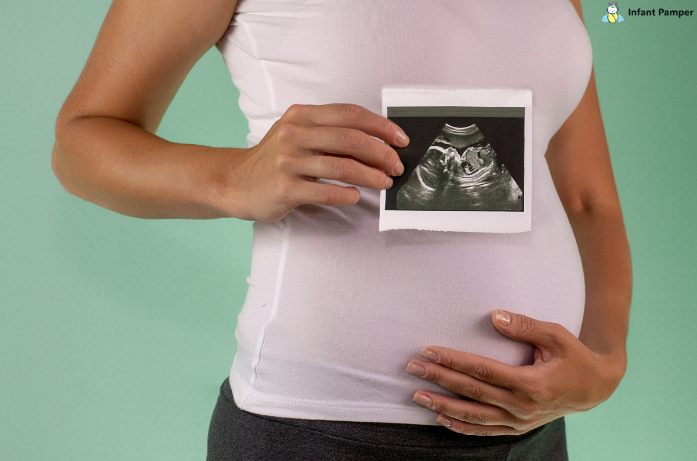
Medical checkups during this time may include hearing the baby’s heartbeat or seeing growth on an ultrasound. These moments can be deeply reassuring and often help parents feel more connected to their pregnancy.
Breast changes, such as fullness or darker areolas, usually continue and are a normal sign of your body preparing for later stages.
Signs of Healthy Pregnancy in the Second Trimester
The signs of healthy pregnancy across the first and second trimester usually follow a gentle pattern of adaptation and growth. In the early weeks, symptoms are often driven by hormones and internal development. As pregnancy progresses, physical changes become more visible and reassuring.
Common indicators of healthy progression include:
- Steady fetal growth during scans
- Normal prenatal test results
- Gradual weight changes guided by a healthcare provider
- Increasing comfort as the body adjusts
These signs work together to show that your body and baby are developing in sync.
The Second Trimester: Weeks 13–27
The second trimester is often described as a more comfortable phase of pregnancy. Hormonal levels stabilize, and many parents feel more balanced physically and emotionally.
Energy often returns, appetite improves, and daily routines feel more manageable. This phase allows many parents to enjoy pregnancy more fully.
5 Months Healthy Pregnancy Symptoms
At five months, pregnancy becomes more visible. A growing belly is one of the clearest signs that your baby is developing steadily. Stretching sensations in the abdomen are common as the uterus expands.
One of the most meaningful milestones during this time is feeling baby movements for the first time. These movements may feel like flutters or gentle taps and are often a comforting reminder of life inside you.
Skin changes such as a natural glow or mild pigmentation can appear. Stretch marks may also develop, which are a normal response to skin stretching and not a sign of poor health.
Emotional Well-Being in the Second Trimester
Emotionally, many parents feel calmer and more confident during this stage. Anxiety often lessens as the pregnancy feels more stable and symptoms become predictable.
That said, emotional ups and downs can still happen. Hormones, lifestyle changes, and future planning all influence mental well-being during pregnancy.
6 Month Healthy Pregnancy Symptoms
By six months, baby movements are usually more regular and easier to recognize. Feeling consistent activity can be very reassuring and often strengthens the emotional bond between parent and baby.
Weight gain typically continues at a steady pace, and prenatal visits often confirm healthy growth patterns. Some parents experience mild backaches or leg discomfort as posture changes and joints loosen, which is common as the body prepares for later stages.
When Symptoms Feel Mild or Change Suddenly
Some parents worry when symptoms lessen or change. It’s important to know that symptom intensity often fluctuates naturally. Feeling better does not automatically mean something is wrong.
Healthcare guidance from national and government health departments emphasizes that regular prenatal checkups are the most reliable way to assess pregnancy health, rather than relying on daily symptom tracking alone.
Trusted sources include:
- Women’s Health (U.S. Department of Health & Human Services)
- Better Health Victoria
- MyHealthfinder (ODPHP)
- Australian Government Department of Health
- New York State Department of Health
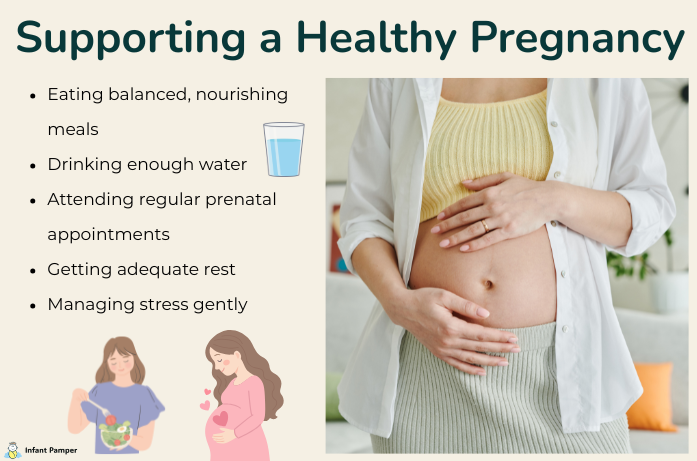
Supporting a Healthy Pregnancy
Alongside understanding body changes, certain habits can support overall well-being:
- Eating balanced, nourishing meals
- Drinking enough water
- Attending regular prenatal appointments
- Getting adequate rest
- Managing stress gently
These practices help your body adapt to pregnancy and support your baby’s development.
Final Thoughts
The signs of healthy pregnancy are often subtle and gradual rather than dramatic. From early fatigue to the joy of feeling movement, each stage offers its own reassurance. By staying informed, attending prenatal care, and listening to your body, you can move through pregnancy with greater confidence and calm.
At Infant Pamper, our goal is to support parents with clear, compassionate, and trustworthy information. Your journey is personal and unique, and understanding what’s normal can make it a more peaceful experience.
Frequently Asked Questions
1. Are symptoms required to confirm a healthy pregnancy?
No. Some pregnancies progress with very few noticeable symptoms and are still completely healthy. The presence or absence of symptoms varies from person to person.
2. Is it normal for pregnancy symptoms to come and go?
Yes. Pregnancy symptoms often fluctuate due to hormonal changes and your body adjusting at different stages. This variation is usually normal.
3. Can a healthy pregnancy feel different from what others experience?
Absolutely. Every pregnancy is unique. Comparing symptoms with others can increase anxiety, but differences do not automatically indicate a problem.
4. Do fewer symptoms mean something is wrong with the baby?
Not necessarily. Many parents have mild symptoms and go on to have healthy pregnancies. Regular prenatal checkups are a more reliable indicator of pregnancy health.
5. When should I contact a healthcare provider during pregnancy?
You should seek medical advice if you experience heavy bleeding, severe or persistent abdominal pain, high fever, dizziness, or sudden changes that feel concerning to you.
Medical Disclaimer: This article is for informational purposes only and is not a substitute for professional medical advice. Always consult a qualified healthcare provider regarding pregnancy symptoms, concerns, or care decisions.