
Watching your baby grow is one of the most emotional parts of early parenthood. Every diaper size change, every new outfit that suddenly feels snug, becomes a small celebration. At the same time, growth can also become a source of worry, especially when numbers on a chart don’t look the way you expected. This is often where parents first encounter the term infant growth restriction, and understandably, it raises concern.
In simple terms, infant growth restriction means a baby is smaller than average for their age or is growing more slowly than expected. This does not automatically mean poor health or long-term problems. Many babies who start out small go on to thrive with proper monitoring, nutrition, and care. The key is understanding what growth measurements really mean and how to support your baby calmly and confidently.
At Infant Pamper, our goal is to guide new parents with balanced, evidence-based information, without fear or pressure. This article breaks down growth charts, explains growth spurts, and offers practical guidance so you can focus less on comparison and more on connection.
What Doctors Mean by Infant Growth Restriction
When healthcare providers talk about growth restriction, they are usually referring to babies who fall below expected ranges for weight, length, or head circumference. These measurements are compared against standardized growth charts developed from large populations of healthy children.
It is important to know that growth restriction is a description, not a diagnosis on its own. Some babies are genetically smaller, while others experience temporary slowdowns due to feeding issues, illness, or being born early. What matters most is how your baby grows over time, not a single measurement taken on one day.
Pediatricians are trained to look for patterns. A baby who stays on a lower percentile consistently may be perfectly healthy, while a baby who drops sharply across percentiles may need closer attention.
Infant Growth Restriction: What It Really Means for Your Baby
This section deserves clarity, because the phrase can sound far more alarming than it often is.
Infant growth restriction usually falls into two broad categories. Some babies are small from birth and continue growing steadily along their own curve. Whether you are preparing for birth or planning to adopt a newborn baby, understanding early growth patterns can help you feel more confident. Others may start average-sized and then show slower growth due to medical, nutritional, or environmental factors. In both cases, early identification allows doctors and caregivers to respond appropriately.
Possible contributing factors include:
-
- Limited nutrient transfer before birth
-
- Premature delivery
-
- Feeding difficulties or reflux
-
- Temporary illness or recovery periods
According to the World Health Organization, early growth patterns are influenced by a mix of biology, nutrition, and caregiving environment. This means parents play a supportive role, but they are rarely the cause of growth restriction.
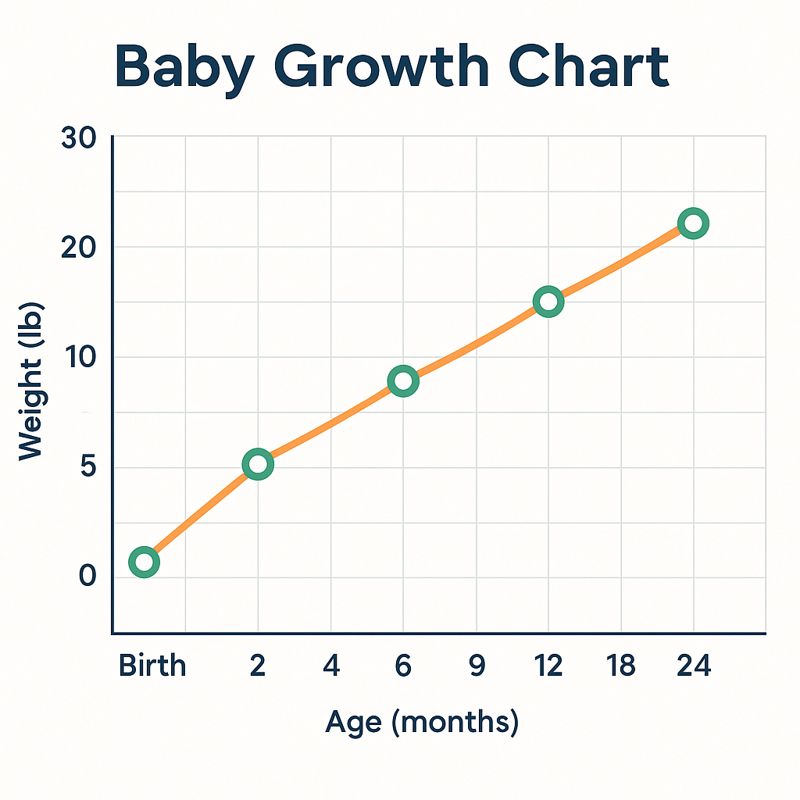
Understanding Baby Growth Charts Without Fear
Growth charts are tools, not report cards. They help visualize trends over weeks and months.
Many parents worry when their baby falls into a lower percentile, but percentiles simply show how a baby compares to others of the same age, not how healthy or loved they are. A baby in the 10th percentile is not “failing”; they are simply smaller than 90 percent of peers.
Doctors focus on:
-
- Consistent upward movement
-
- Balanced growth between weight, length, and head size
-
- Overall health and development
A stable pattern matters far more than hitting a specific number.
Growth Charts Parents Often Ask About
Below are important growth-related terms parents frequently search for, explained clearly and calmly. Each point highlights a different chart or concept used in pediatric care.
1. Growth and weight chart for infants
This chart tracks how a baby’s weight changes over time in relation to age. Pediatricians use it to confirm steady progress rather than rapid or stalled changes.
2. Premature infant growth chart
Babies born early are measured against charts designed specifically for their gestational age, not their birth date, which helps prevent unnecessary concern.
3. Infant growth chart for preemies
These charts adjust expectations to reflect early birth and allow for natural catch-up growth during the first two years.
4. Breastfed infant growth chart
Breastfed babies often grow differently than formula-fed babies, especially after the first few months, which is why WHO charts are commonly used.
These charts help professionals understand patterns, not label outcomes.
Why Growth Is Not Steady: Infant Growth Spurts
One of the biggest surprises for new parents is that babies do not grow in a straight line. Growth happens in bursts, followed by quieter periods where changes are less visible.
Parents often ask when do growth spurts happen in infants, and while timing varies, spurts commonly appear in the early weeks, around three months, and again later in the first year. During these phases, babies may want to feed more often, sleep differently, or seem fussier.
These periods are temporary and usually followed by visible gains in size, strength, or skills.
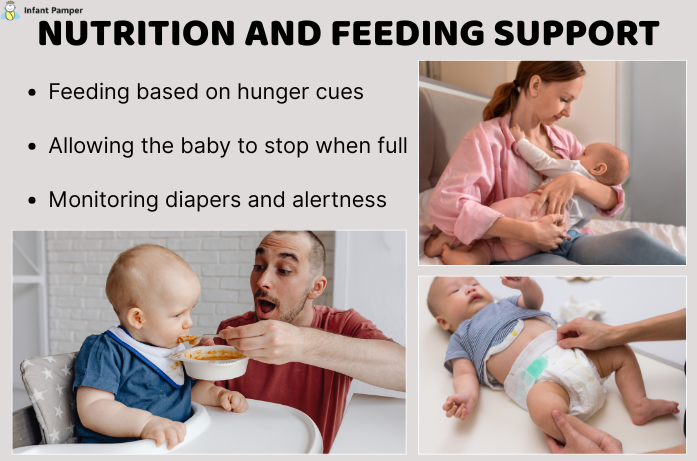
Nutrition and Feeding Support
Feeding plays a central role in growth, but more feeding is not always the solution. When your baby is ready for solids, gentle options like prune puree may support digestion and nutrition. Babies grow best when feeding is responsive and relaxed.
Healthy feeding looks like:
-
- Feeding based on hunger cues
-
- Allowing the baby to stop when full
-
- Monitoring diapers and alertness
For most infants, steady feeding combined with loving interaction supports natural growth better than strict schedules or pressure.
The American Academy of Pediatrics emphasizes that emotional security and nutrition work together to support healthy development.
Development Matters as Much as Size
Growth is not just about weight. Developmental milestones, such as smiling, babbling, rolling, and interacting, offer powerful insight into overall health.
Many babies who are smaller than average are alert, curious, and developmentally on track. Pediatricians always consider physical growth alongside movement, communication, and social engagement.
When to Seek Medical Advice
While many growth variations are normal, professional guidance is important if you notice:
-
- No weight gain over several weeks
-
- Poor feeding or persistent vomiting
-
- Extreme tiredness or lack of responsiveness
-
- Delays across multiple developmental areas
Early support often leads to simple, effective solutions.
Emotional Support for Parents
Worrying about your baby’s growth can quietly affect a parent’s confidence, even when everything else feels right. Seeing other babies, whether at family gatherings, playgroups, or online, can lead to unhelpful comparisons and self-doubt. These feelings are very common, and they do not mean you are doing anything wrong.
It can be reassuring to remember a few important truths:
-
- Growth differences are normal, especially in the first year of life
-
- Genetics play a major role in a baby’s size, shape, and growth pace
-
- Love, touch, and consistent care support emotional and physical development just as much as numbers on a chart
Your baby benefits deeply from your attention, patience, and responsiveness. Charts measure growth, but they cannot measure comfort, bonding, or security, all of which play a powerful role in healthy development.
Long-Term Outlook
The long-term outlook for babies with early growth concerns is overwhelmingly reassuring. Research from the National Institutes of Health (NIH) shows that most infants who experience early growth restriction catch up over time, reaching normal height and weight ranges during childhood and developing typically both physically and cognitively.
Regular pediatric checkups help ensure that growth is monitored gently and any additional needs are identified early. With timely guidance, appropriate nutrition, and a supportive home environment, the vast majority of babies go on to thrive. What matters most is not how quickly a baby grows, but that they are growing steadily, safely, and surrounded by care.
Final Thoughts for Parents
Growth is a journey, not a race, and every baby follows their own unique timeline. Some infants grow quickly, while others take a steadier path, but slower growth does not mean weaker health or a less bright future. By learning how growth patterns work, understanding what growth charts truly measure, and focusing on overall well-being rather than comparisons, parents can reduce unnecessary worry and make more confident decisions. Regular pediatric checkups, responsive feeding, and attentive caregiving all work together to support healthy development.
At Infant Pamper, we believe that knowledge empowers parents. When caregivers understand what is normal, what to monitor, and when to seek guidance, they feel more at ease, and that calm, informed approach creates a nurturing environment where children can grow, thrive, and reach their full potential in their own time.
FAQs
1. What is infant growth restriction?
It means a baby is smaller or growing more slowly than expected for their age, but it does not always mean poor health.
2. Can babies with growth restriction catch up?
Yes. Many babies show catch-up growth in the first 1–2 years with proper care.
3. Do growth charts predict future health?
No. Growth charts track patterns, not long-term outcomes.
4. Should I feed my baby more if growth is slow?
Not without guidance. Responsive feeding works better than force-feeding.
5. Are small babies developmentally delayed?
Not usually. Many small babies meet milestones on time.
6. When should I call the pediatrician?
If weight gain stops, feeding is difficult, or development seems delayed.
7. What matters more than size?
Steady growth, overall health, and loving, consistent care.
Medical Disclaimer: This article is for informational purposes only and is not a substitute for professional medical advice. Always consult a qualified healthcare provider regarding concerns about your baby’s growth, feeding, or development.